


Introduction
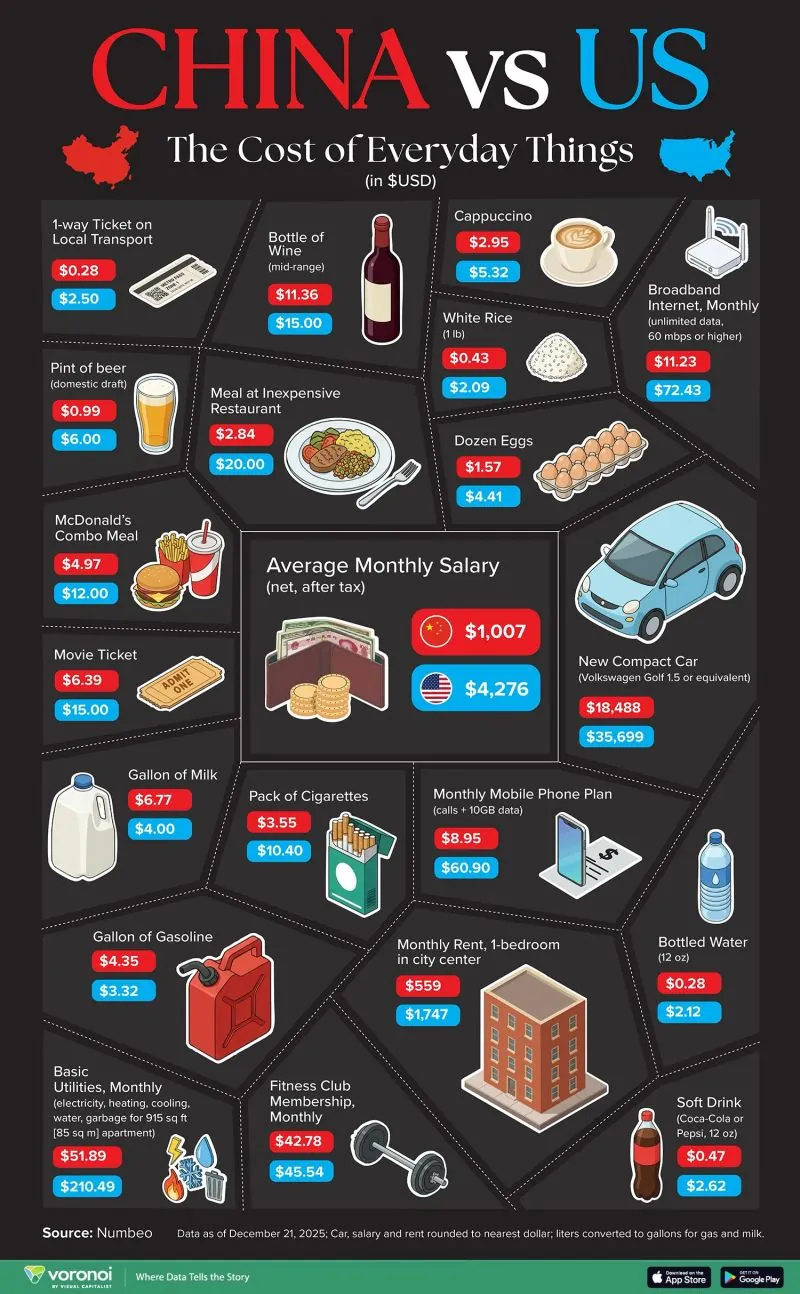
The economic landscapes of China and the United States present distinct characteristics that influence both consumer behavior and business strategy. Understanding the comparative cost structures of daily life items provides valuable insights for companies and policymakers engaged in cross-border trade and investment.
Price Comparison and Market Implications
Analyzing the cost of everyday goods between these two major economies highlights the underlying differences in production costs, labor markets, and supply chain efficiencies. These factors collectively shape the competitive environment, affecting pricing strategies and consumer purchasing power. For businesses contemplating market entry or expansion, such comparative data is critical for tailoring offerings and optimizing operational models.
Strategic Considerations for Market Presence
Establishing a presence in China requires comprehensive market observation and an understanding of local consumer preferences and regulatory frameworks. This approach enables companies to navigate complexities and leverage opportunities inherent in the Chinese market. Conversely, firms operating in the U.S. benefit from a mature economic infrastructure but face challenges related to labor costs and regulatory compliance.
Conclusion
In-depth market analysis and price comparisons between China and the United States are essential for informed decision-making in international trade and industry. These insights support strategic planning aimed at achieving competitive advantage and sustainable growth in an increasingly interconnected global economy.
Can you afford not to expand abroad Talk to us, we’ll help you grow your business internationally.
Talk to us →