


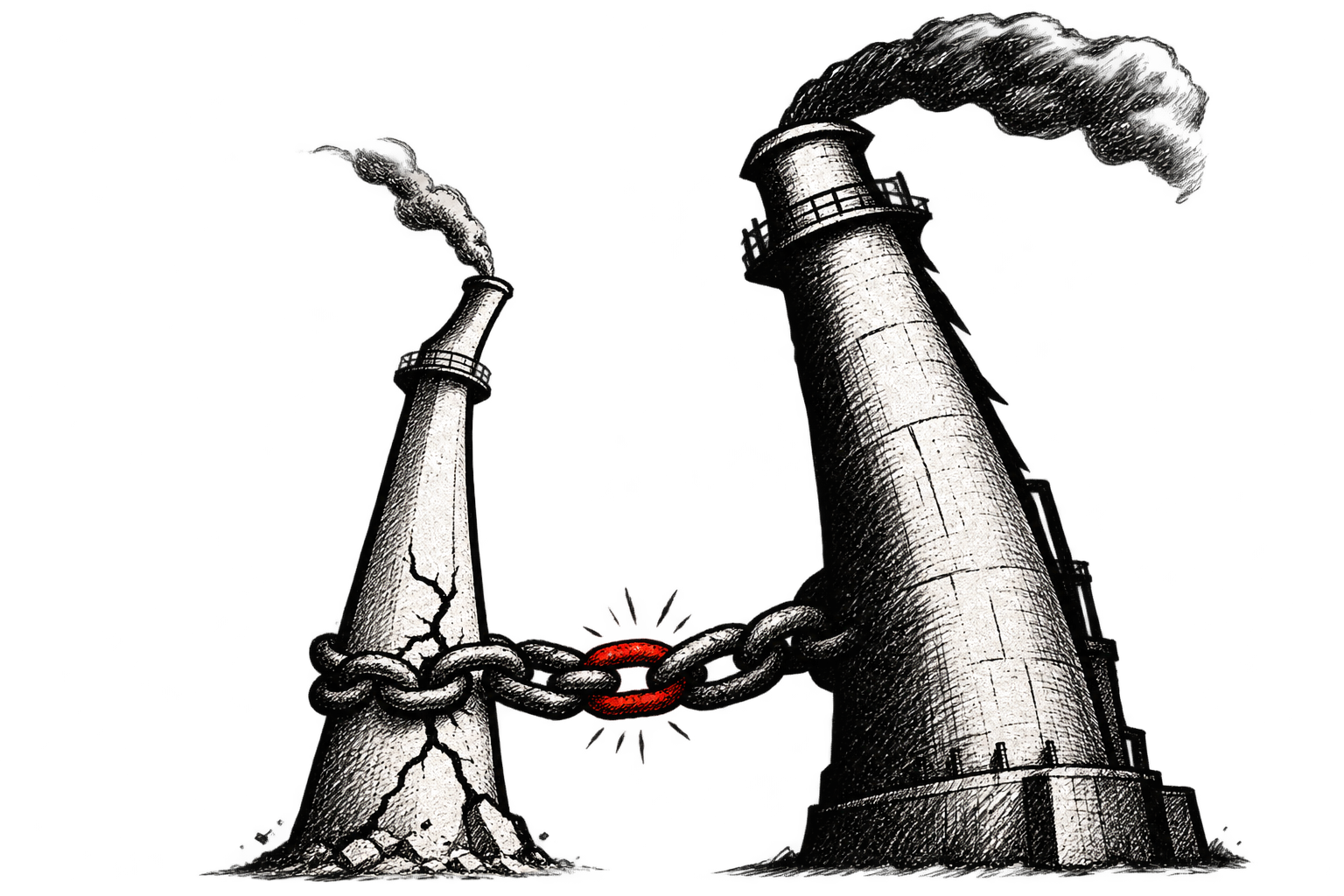
.S.-Brazil Trade Dynamics and the Unconventional Tariff Approach

In a departure from typical U.S. trade policy rationale, the Trump administration implemented substantial tariffs on Brazilian imports despite a longstanding U.S. trade surplus with Brazil. By 2025, the United States exported approximately $54 billion worth of goods to Brazil, including refined fuels, aircraft components, industrial machinery, fertilizers, and electronics, while importing $40 billion in Brazilian products such as crude oil, semi-finished steel, coffee, orange juice, wood pulp, beef, and Embraer-manufactured passenger jets. This resulted in a $14 billion trade surplus for the U.S., underscoring the atypical nature of the tariffs imposed.
On July 15, 2026, the U.S. announced a 25% tariff on selected Brazilian goods, followed by an additional 12.5 percentage points on overlapping products shortly thereafter, cumulatively reaching 37.5% on certain items. These measures primarily targeted manufactured goods like footwear, apparel, furniture, machinery, and ethanol, while sparing key commodities and industrial inputs such as coffee, crude oil, natural gas, fertilizer, and orange juice to mitigate immediate supply disruptions for American businesses.
Economic Impact and Strategic Leverage Limitations
The tariffs predominantly affect industrial inputs rather than consumer-ready products, which places the financial burden on U.S. companies reliant on these imports for their supply chains. This dynamic reveals an unintended consequence where American enterprises bear increased costs, potentially undermining domestic competitiveness.
Furthermore, the strategic leverage Washington wields over Brazil through trade is constrained by shifting global trade patterns. Since 2009, China has eclipsed the U.S. as Brazil’s largest trading partner, accounting for 29% of Brazilian exports in 2025 compared to 11% for the United States. This diversification diminishes the efficacy of U.S. tariffs as a tool to compel policy changes in Brazil, as Brazilian exporters can redirect goods to alternative markets, notably China.
Political Underpinnings of the Trade Dispute
The tariff imposition appears rooted less in economic concerns and more in political considerations tied to the prosecution of former Brazilian President Jair Bolsonaro, a known ally of the Trump administration. Trump’s initial 50% tariff announcement in 2025 coincided with criticism of Brazil’s judicial actions against Bolsonaro, which he characterized as a “witch hunt.” Additionally, the U.S. government accused Brazil’s Supreme Court of censoring American social media platforms, further straining bilateral relations.
With Brazil approaching a presidential election, the dispute has domestic political ramifications. Incumbent President Luiz Inácio Lula da Silva has leveraged resistance to U.S. tariffs as a demonstration of national sovereignty, which has bolstered his approval ratings. Meanwhile, Bolsonaro’s political legacy remains influential, with his son and other family members actively engaged in lobbying efforts related to the trade tensions.
Brazil’s Response and International Trade Mechanisms
Following the U.S. Supreme Court’s invalidation of the initial tariff measures, the Trump administration employed Section 301 of the Trade Act of 1974 to justify additional tariffs on Brazil and other countries, citing concerns over forced labor practices. In response, Brazil enacted an “economic reciprocity” law in 2025, mirroring Section 301’s principles to authorize countermeasures against foreign trade actions detrimental to Brazilian competitiveness.
Brazil initiated a formal case against the United States under this framework in August 2026 and has pursued dispute resolution through the World Trade Organization (WTO). After unsuccessful consultations with Washington, Brazil signaled its intention to request the establishment of a WTO dispute panel, with China and several other nations joining as interested parties. This multilateral approach reflects Brazil’s strategy to leverage international institutions to address trade grievances.
Prospects and Strategic Considerations
Despite these measures, Brazil’s capacity for direct retaliation remains limited due to the asymmetry of economic power and market size relative to the United States. Unlike Canada, which has engaged in reciprocal tariff actions with significant impact, Brazil’s smaller share of U.S. imports constrains its leverage. Moreover, the dominance of the dollar-based financial system and U.S. control over critical technologies provide Washington with additional avenues to escalate trade disputes beyond tariffs.
The ongoing trade tensions between the two countries exemplify the complex interplay between economic interests and geopolitical considerations. They highlight how trade policy can be utilized as a tool of political influence, with implications for supply chain resilience, industrial competitiveness, and bilateral relations. The outcome of Brazil’s forthcoming presidential election could further shape the trajectory of this dispute and its broader strategic context.
Related Analysis
-
Analyzing Brazil’s Key Trade Partnerships: Implications for Global Supply Chains and Economic Strategy
-
U.S. Gold Exports Surpass Traditional Top Commodities Amid Shifting Global Reserve Strategies
-
Germany’s Growing Reliance on U.S. LNG: Assessing the Strategic Risks of a New Gas Dependency
-
Brazil’s Trade Surplus Reaches Record $14.2 Billion in Q1 2026 Driven by Elevated Oil Prices
-
Germany Faces Record Trade Deficit with Asia-Pacific in 2026 Amid Shifting Regional Dynamics
Source:
The Conversation
Can you afford not to expand abroad Talk to us, we’ll help you grow your business internationally.
Talk to us →