


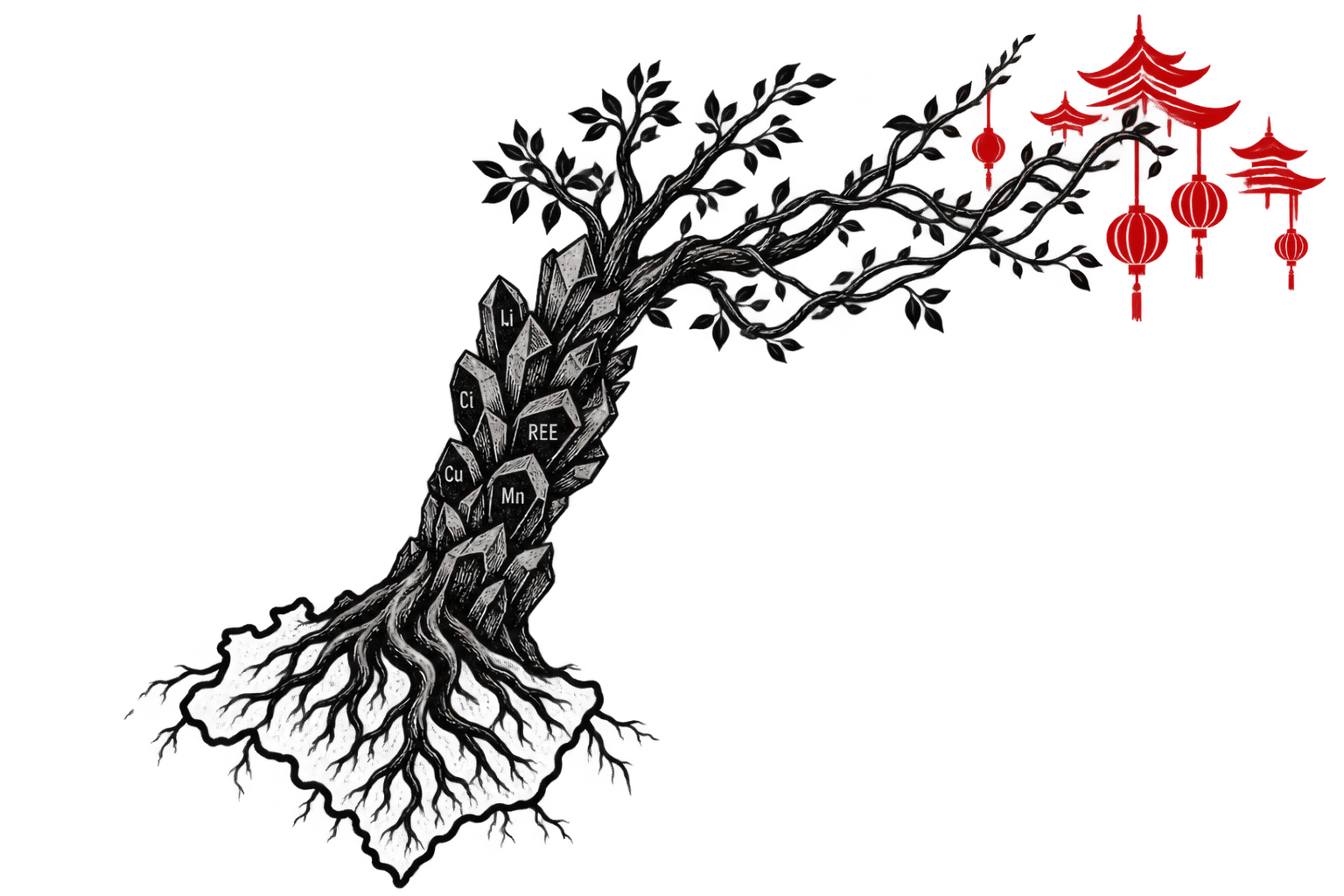
razil’s Strategic Pivot Toward Asian Investment in Critical Minerals

During the ASEAN Summit held in Manila, Philippine President Luiz Inácio Lula da Silva articulated Brazil’s ambition to attract substantial investment from Asian partners to develop its critical minerals and rare earths sectors. This initiative aligns with Brazil’s broader strategy to integrate more deeply into the global supply chains underpinning the energy transition, particularly in areas related to battery production, semiconductors, and other advanced technologies.
Strengthening Brazil-ASEAN Relations for Sustainable Development
President Lula emphasized the importance of reinforcing ties between Mercosur and Southeast Asian nations, highlighting opportunities for cooperation centered on sustainable development, inequality reduction, and enhanced collaboration among developing countries. Brazil’s current status as a Sectoral Dialogue Partner of ASEAN is set to be elevated to full Dialogue Partner status, which would expand Brazil’s involvement in ASEAN’s political and economic forums, facilitating greater bilateral and multilateral engagement.
Industrialization Over Raw Material Exportation
A key element of Brazil’s approach is not merely to export raw materials but to develop domestic capabilities for the industrial processing and value addition of critical minerals. Lula underscored the need to attract technology and investment to advance Brazil’s position along the value chain, enabling the country to manufacture higher-value products essential for the global energy transition, such as batteries and semiconductor components.
Geopolitical Context and Diversification of Trade Partnerships
In his remarks, Lula linked Brazil’s outreach to Asia with the current international trade tensions, particularly tariffs imposed by the United States. He noted that these trade barriers have accelerated Brazil’s efforts to diversify its markets and reduce dependency on traditional partners. This diversification strategy underscores the importance of multilateralism and expanding economic relations across different regions and blocs to ensure resilience and strategic leverage in global trade.
Implications for Brazil’s Economic and Technological Competitiveness
By positioning critical minerals development at the forefront of its international economic policy, Brazil aims to secure a competitive edge in the emerging energy technologies sector. The focus on industrialization and strategic partnerships with Asian economies reflects an understanding that technological leadership and economic scale are vital for maintaining long-term influence in global supply chains. This approach could enhance Brazil’s role as a supplier of essential materials while fostering domestic industrial capacity, which is critical for sustaining economic growth and technological sovereignty amid intensifying global competition.
Related Analysis
-
German Industry’s Strategic Stockpiling of Rare Earths Amid EU-China Trade Tensions
-
Brazil Advances National Strategy to Expand Critical Minerals Production
-
Analyzing Brazil’s Key Trade Partnerships: Implications for Global Supply Chains and Economic Strategy
Source:
Agência Brasil
Can you afford not to enter the Brazilian market? Talk to us, we’ll help you succeed in Brazil.
Talk to us →