


Introduction: The Intersection of Energy Infrastructure and National Security
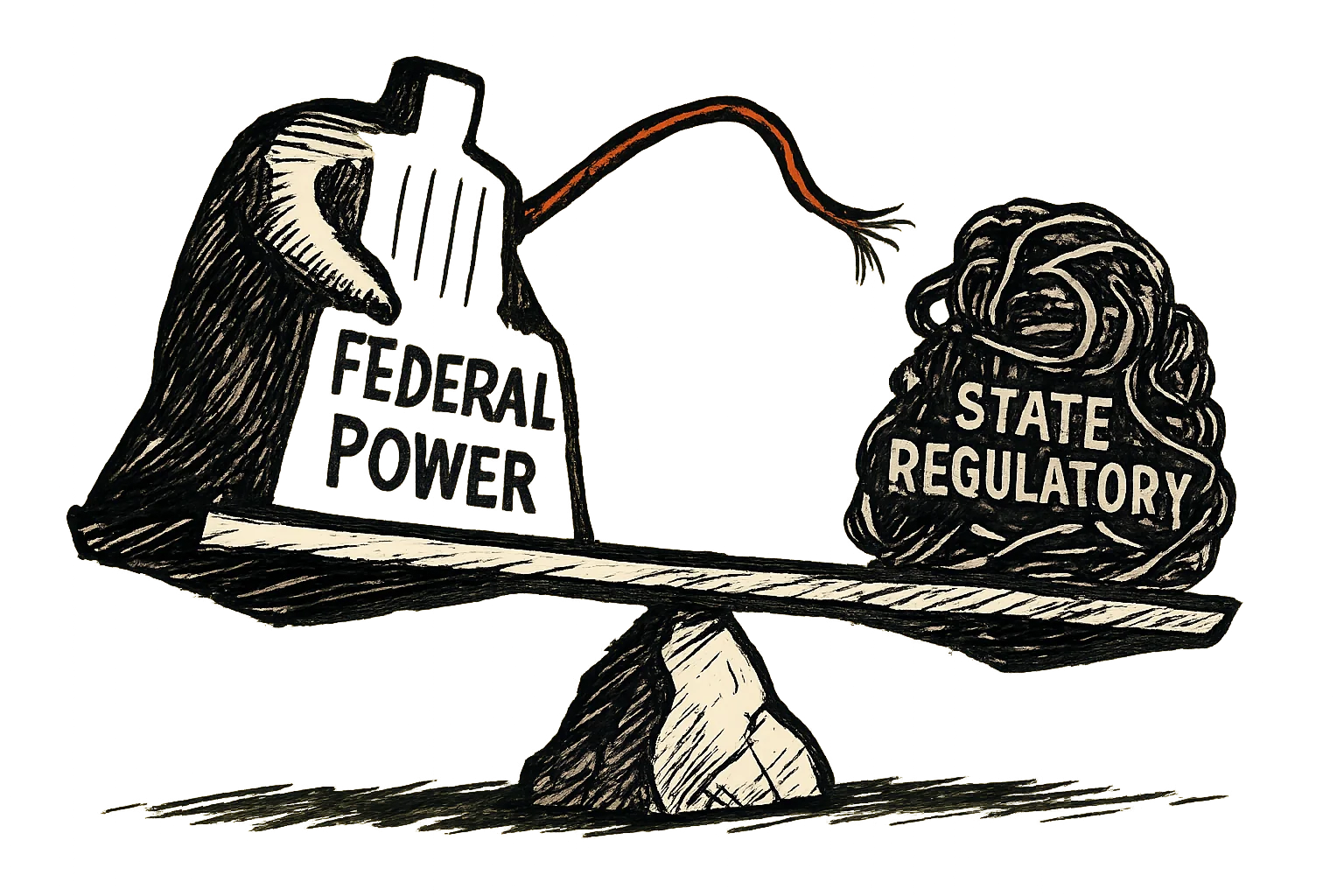
In 2024, the United States government underscored the strategic importance of energy infrastructure through two Defense Production Act determinations. These declarations identified the nation’s constrained electric grid and delays in large-scale energy infrastructure development as growing threats to national defense. However, shortly after these federal actions, New York State imposed a one-year moratorium on new hyperscale data centers. This juxtaposition highlights a complex tension between federal priorities for rapid energy infrastructure expansion and state-level political and regulatory constraints.
Regional Grid Challenges and Industrial Implications
The PJM Interconnection, a regional grid operator serving over 67 million people across 13 states and the District of Columbia, exemplifies the challenges of balancing industrial demand with grid capacity. The region hosts a significant share of U.S. industrial production, including titanium, aluminum, steel, and semiconductor fabrication. A 2026 analysis by the Center for Strategic and International Studies estimated that anticipated defense manufacturing energy demand could increase substantially, particularly for munitions and drone production.
Simultaneously, PJM faces plans for nearly 48.5 gigawatts of new data center capacity, representing approximately 30 percent of its projected 2025 summer peak load. This surge in commercial electricity demand raises critical questions about the grid’s ability to support both national defense mobilization and rapid commercial expansion without compromising reliability or incurring excessive costs.
Jurisdictional Complexities in Cost Allocation and Demand Forecasting
One of the most significant obstacles to timely infrastructure development is the division of authority between federal and state regulators. Federal entities oversee wholesale electricity markets and regional grid operations, while states regulate retail rates and local distribution. This bifurcation complicates the management of uncertain future demand, particularly when large prospective loads such as data centers may or may not materialize.
In response to these challenges, major technology firms committed to the White House’s Ratepayer Protection Pledge, agreeing to cover the full costs of infrastructure needed for their power consumption. Yet, implementing this commitment across different regulatory regimes remains difficult. For example, PJM’s capacity market, which secures power resources years in advance, must forecast demand that includes speculative data center projects. Developers often submit multiple interconnection requests across different utilities, inflating load forecasts and complicating procurement decisions.
Market Responses and Regulatory Interventions
Analyses of PJM’s capacity market auctions reveal that anticipated data center loads significantly impact market revenues and price signals. The 2027/2028 auction demonstrated that removing forecasted data center demand could reduce revenues by nearly 40 percent, underscoring the scale of exposure when planning for unconfirmed loads. However, price collars and regulatory interventions, such as those initiated by Pennsylvania’s government, have moderated auction prices to protect consumers, reflecting a trade-off between cost containment and investment incentives.
Efforts to address these challenges include proposals for dedicated mechanisms to link new large loads directly with new generation capacity, thereby isolating the financial risk from other consumers. PJM’s recent filings aim to exclude unsupported large loads from capacity calculations starting in the 2029/2030 auction cycle. Nevertheless, these adjustments do not resolve the broader issue of how states allocate retail costs or enforce financial commitments from developers.
Case Study: Ohio’s Approach to Managing Data Center Load Commitments
Ohio presents a practical example of attempting to align demand forecasts with firm financial commitments. Following the implementation of American Electric Power Ohio’s Data Center Tariff, the number of megawatts requested by developers decreased substantially as binding agreements and collateral requirements filtered speculative interest. However, disputes remain regarding whether these tighter retail commitments are adequately reflected in wholesale market forecasts, illustrating the persistent jurisdictional gap between state and federal oversight.
Political and Electoral Dimensions of Data Center Expansion
The political sensitivity surrounding data center development has intensified, with opposition influencing electoral campaigns and prompting calls for clearer communication about benefits and costs. Governors and state regulators face pressure to balance economic development with consumer protection and community acceptance. This dynamic often results in regulatory actions such as moratoria, permitting restrictions, or tariff adjustments that slow infrastructure deployment despite federal urgencies.
Recommendations for Coordinated Federal-State Action
Addressing the political constraints on data center power buildout requires enhanced coordination between federal and state regulators. The Federal Energy Regulatory Commission (FERC) has initiated proceedings to review rules governing large loads, emphasizing protections against cost shifting and increased transparency. A formal process under Section 209 of the Federal Power Act could bring together federal and state authorities to harmonize large load forecasting methodologies and cost allocation practices.
Such collaboration should focus on establishing common criteria for when a proposed load is considered firm, the nature of financial commitments required, and the mechanisms for assigning costs if demand fails to materialize. Complementary to regulatory efforts, improved data collection through mandatory reporting on data center electricity usage, infrastructure costs, and rate structures will provide a factual basis for policymaking and enforcement.
Conclusion: Aligning Infrastructure Development with Strategic Priorities
The United States faces a critical imperative to expand and modernize its energy infrastructure to support emerging technologies like artificial intelligence and maintain industrial surge capacity vital to national defense. However, unresolved political and regulatory disputes over cost responsibility and demand certainty threaten to delay progress. Bridging the federal-state divide and establishing clear, enforceable frameworks for managing large load growth will be essential to reconciling the need for rapid infrastructure development with consumer protection and fiscal responsibility.
Source:
War on the Rocks
Can you afford not to enter the US market? Talk to us, we’ll help you succeed in the United States.
Talk to us →