


Introduction: Evolving U.S. Trade Policy and Economic Security
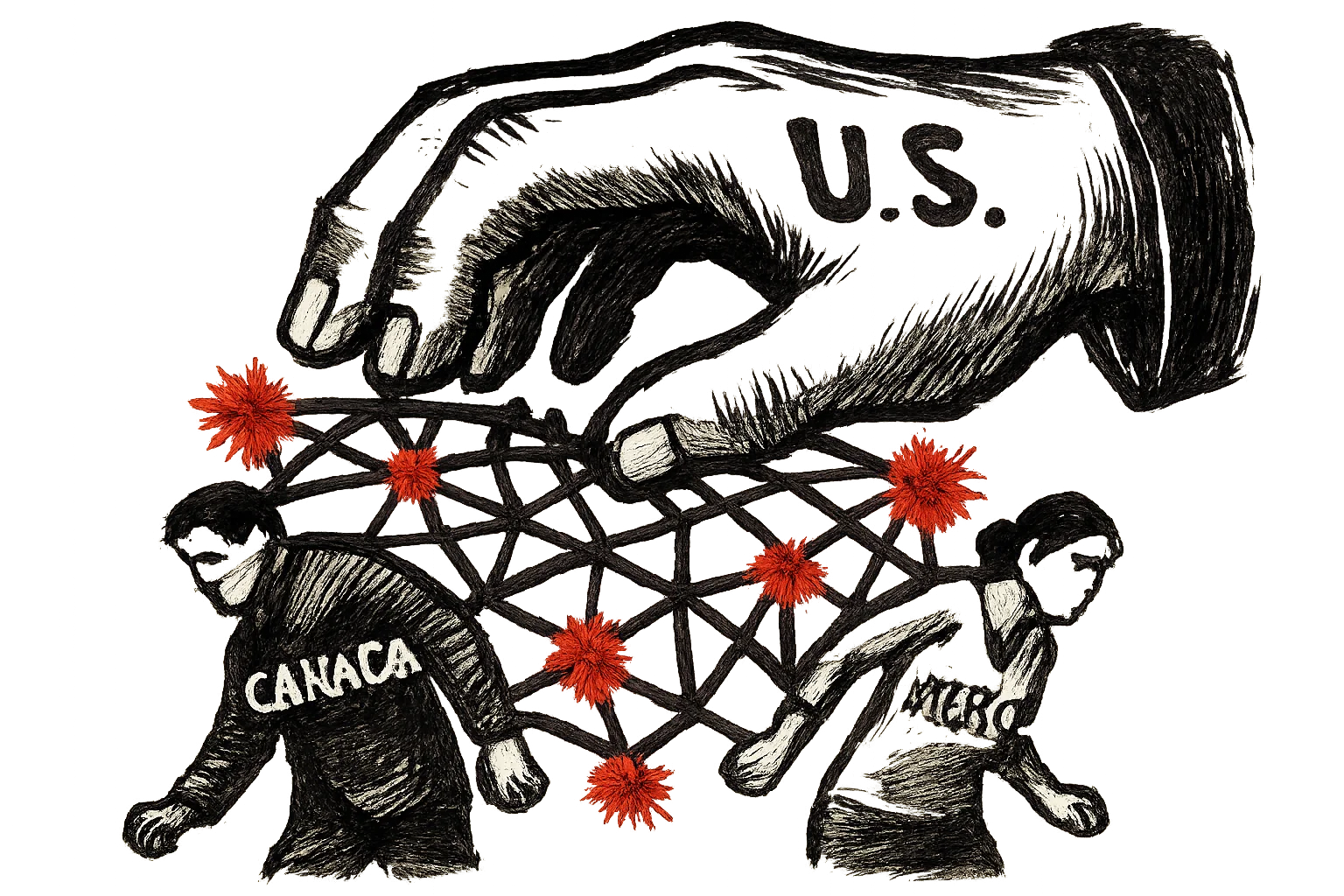
Over the past decade, Washington has increasingly linked trade policy and market access to broader economic security objectives. The Trump administration’s recent choice not to renew the United States-Mexico-Canada Agreement (USMCA) during its mandatory six-year review illustrates a deliberate recalibration of North American trade relations in response to China’s expanding economic influence. This move reflects a strategic intent to incorporate economic security provisions directly into the continent’s trade architecture, extending beyond traditional concerns such as trade deficits.
Embedding Economic Security in Trade Architecture
While the U.S. Trade Representative publicly underscored trade deficits as a central concern, industry sources and administration statements reveal a more complex agenda aimed at limiting Chinese supply chain inputs through durable mechanisms. Proposals include embedding investment screening, export controls, and technology policies into the USMCA framework. These measures would provide a more permanent and enforceable approach compared to tariffs or executive actions, signaling a shift toward institutionalizing economic security within trade agreements.
Leverage Through Recurring Review Mechanisms
The invocation of Article 34.7 of the USMCA, which mandates six-year reviews, establishes a continuous leverage point for the U.S. government. By declining to confirm renewal this cycle, Washington has triggered an intensified annual review process, applying sustained pressure on Canada and Mexico until they accede to U.S. demands or the agreement lapses in 2036. This dual leverage—periodic veto power and escalating negotiation frequency—affords Washington a strategic tool to enforce alignment with its economic security priorities.
Strategic Implications for Canada and Mexico
Canada has progressively aligned its economic security policies with the U.S., including imposing tariffs on Chinese electric vehicles and enhancing scrutiny of Chinese investments in critical sectors. However, this alignment also constrains Canada’s negotiating flexibility, contributing to tensions in the current renewal discussions. Conversely, Mexico presents both opportunities and challenges due to its growing Chinese investment inflows, particularly in automotive manufacturing, and its role as a beneficiary of nearshoring trends. Mexico’s balancing act involves managing increased U.S. pressure while maintaining commercial ties with China and protecting domestic industry through recent tariff adjustments.
Broader Context and Policy Continuity
Washington’s approach reflects continuity across administrations, with both Trump and Biden emphasizing North American economic integration as a vehicle for enhancing supply chain resilience and countering Chinese strategic influence. Biden’s administration has supplemented trade leverage with industrial policies such as the Inflation Reduction Act and trilateral initiatives on semiconductors and critical minerals, reinforcing the continental bloc’s strategic autonomy.
Challenges and Prospects for a North American Economic Security Bloc
Despite overlapping interests, Canada and Mexico resist certain U.S. demands, seeking a cleaner renewal process and preserving trade diversification strategies. The outcome of these negotiations will determine whether a resilient North American economic security bloc emerges or if persistent disagreements entrench recurring renegotiations that undermine long-term integration. The U.S. faces the strategic challenge of calibrating pressure to avoid fracturing the trilateral framework it aims to strengthen.
Conclusion: Strategic Leverage and the Future of North American Trade Integration
The U.S. wields significant market power and institutional mechanisms to steer North American trade policies toward its economic security objectives vis-à-vis China. The renewal process of the USMCA thus serves as a strategic platform for embedding durable economic security provisions. The critical test lies in balancing assertive leverage with the preservation of a stable and credible continental trade bloc capable of sustaining long-term technological and industrial competitiveness in the face of global geopolitical challenges.
Source:
War on the Rocks
Can you afford not to enter the Chinese market? Talk to us, we’ll help you succeed in China.
Talk to us →