


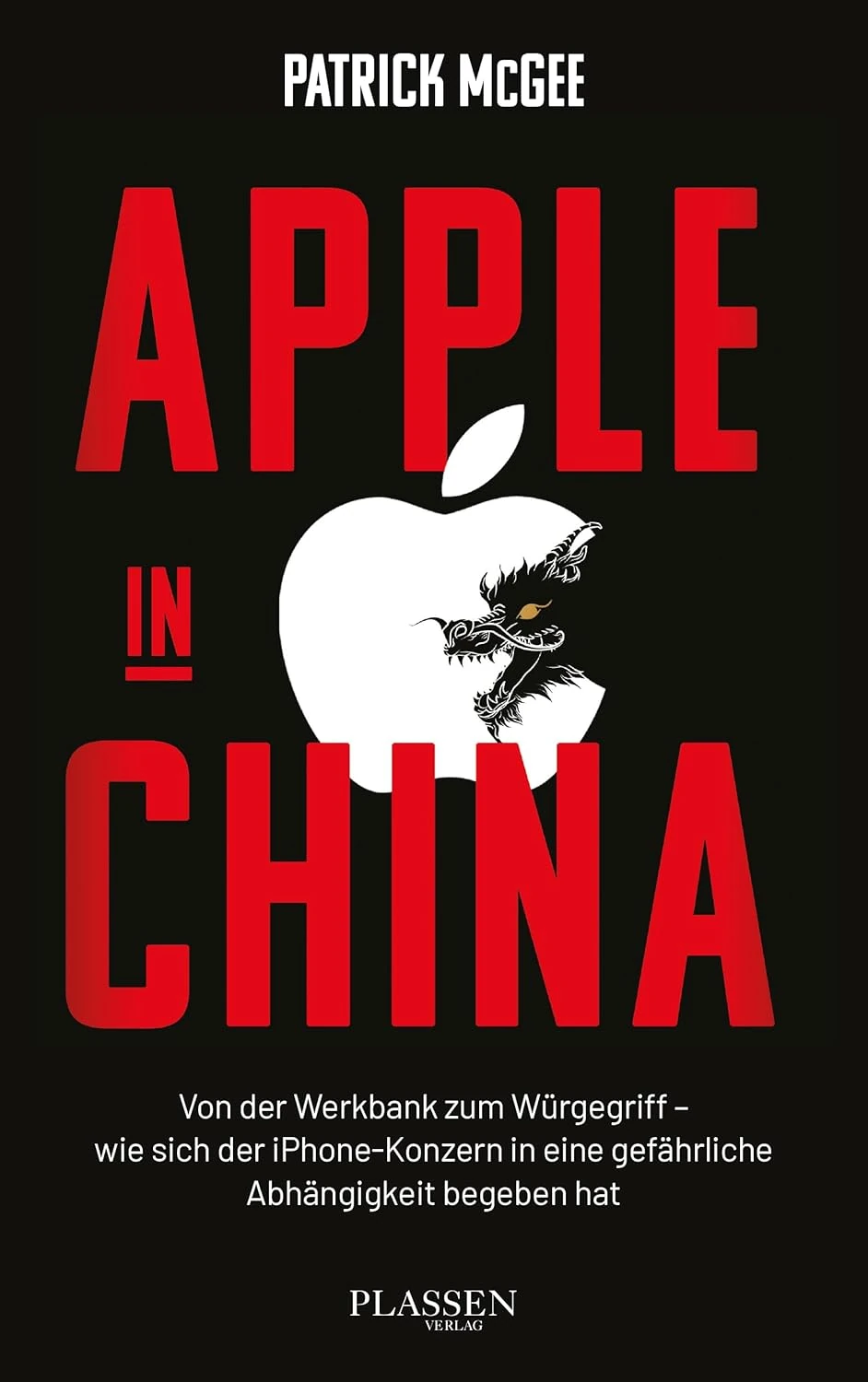
Introduction to Apple’s China Strategy
Apple’s relationship with China, spanning several decades, offers a nuanced example of globalization’s complexities in the technology and manufacturing sectors. Initially motivated by cost efficiencies in the late 1990s, Apple’s decision to relocate production to China evolved into a multifaceted partnership deeply embedded in the country’s industrial ambitions and capabilities.
Investment and Industrial Integration
Over time, Apple invested substantial capital into China’s local infrastructure, workforce training, and supplier development. These investments enabled Apple to harness China’s unparalleled manufacturing speed, scale, and operational flexibility. Such capabilities have been crucial in supporting Apple’s position as a global leader in hardware innovation and market penetration.
Risks and Strategic Dependencies
However, this engagement came with significant strategic trade-offs. Apple’s growing dependence on Chinese manufacturing ecosystems granted China increased leverage over a critical segment of Apple’s supply chain. Furthermore, former suppliers in China have matured into formidable competitors on the global stage. Political and regulatory pressures, including censorship demands and data governance constraints, have required Apple to navigate complex compliance landscapes, often necessitating operational compromises.
Balancing Opportunity and Risk
The narrative surrounding Apple’s China operations is not one of miscalculation but rather an illustration of the unforeseen risks that accompany deep integration with a major geopolitical actor. The relationship is characterized by ambition, concessions, and the inherent challenges of anchoring future growth in a foreign jurisdiction with divergent political and economic systems.
Strategic Presence in a Complex Environment
Despite these challenges, the strategic conclusion is clear: for companies aiming to achieve global scale, especially in hardware manufacturing, engagement with China remains indispensable. Success in this environment demands a carefully calibrated approach, combining local expertise, strategic partnerships, and a comprehensive understanding of both market opportunities and geopolitical risks.
Conclusion
The central insight from Apple’s experience is the dual reality of China as both an essential and complex partner. Navigating this landscape effectively requires more than simple market entry; it requires a sophisticated strategy supported by knowledgeable advisors who can balance the interplay of economic potential and strategic vulnerability.
Can you afford not to expand abroad Talk to us, we’ll help you grow your business internationally.
Talk to us →