


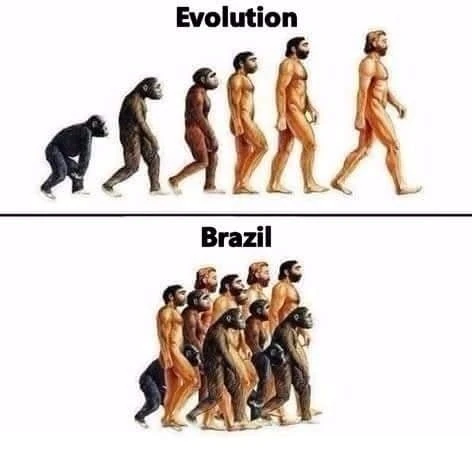
The Genetic and Cultural Fabric of Brazil
Brazil stands out as one of the world’s largest economies and an increasingly influential player in global markets. Its population reflects an intricate genetic and cultural mosaic shaped over centuries by multiple waves of migration, colonization, and social transformation. Unlike the conventional business focus on diversity as it relates to team composition or inclusive policies, Brazil’s diversity is embedded deeply within its biological and cultural identity.
The demographic composition of Brazil is among the most complex globally. Since the arrival of Portuguese colonizers in the 16th century, the country has experienced significant influxes of enslaved Africans, followed by waves of European, Middle Eastern, and Asian migrants. This has produced not merely a melting pot but a dynamic mosaic of populations whose genetic heritage varies significantly across regions.
Regional Genetic Variations and Their Implications
Recent genomic studies reveal distinct regional patterns of ancestry across Brazil’s vast territory. Indigenous genetic markers are more prevalent in the northern Amazonian regions, while African heritage is dominant in the northeast. The southern states exhibit stronger European influences, particularly from Italian and German immigrants. These genetic distinctions correlate with cultural, linguistic, and even medical variations, influencing disease susceptibility and responses to pharmaceuticals.
For business leaders, this diversity translates into a society inherently flexible, creative, and adaptable—traits essential for fostering innovation and maintaining global competitiveness. However, it also necessitates tailored strategies in product localization, consumer behavior analysis, and the development of inclusive healthcare and educational services that respect regional and cultural nuances.
Challenges Rooted in Historical Inequality
While Brazil’s genetic and cultural diversity is a source of strength, it also reflects a history marked by social stratification and unequal access to power. This historical context presents challenges for companies, particularly those with commitments to social responsibility and environmental, social, and governance (ESG) criteria. Understanding and addressing the underlying inequalities is crucial for building trust and fostering genuine inclusion within Brazilian markets.
Brazil’s demographic landscape offers more than a commercial opportunity; it serves as a living record of centuries of migration, resistance, and cultural blending. Each individual in urban centers like São Paulo or Salvador embodies this complex heritage, making Brazil a microcosm of the globalized, interconnected world.
Strategic Considerations for Market Engagement
For enterprises targeting expansion into Brazil, recognizing the country’s multifaceted demographic reality is essential. Success depends on nuanced approaches that integrate genetic, cultural, and historical insights into business strategies. This ensures not only market relevance but also alignment with broader goals of social equity and sustainable development.
Can you afford not to expand abroad Talk to us, we’ll help you grow your business internationally.
Talk to us →