


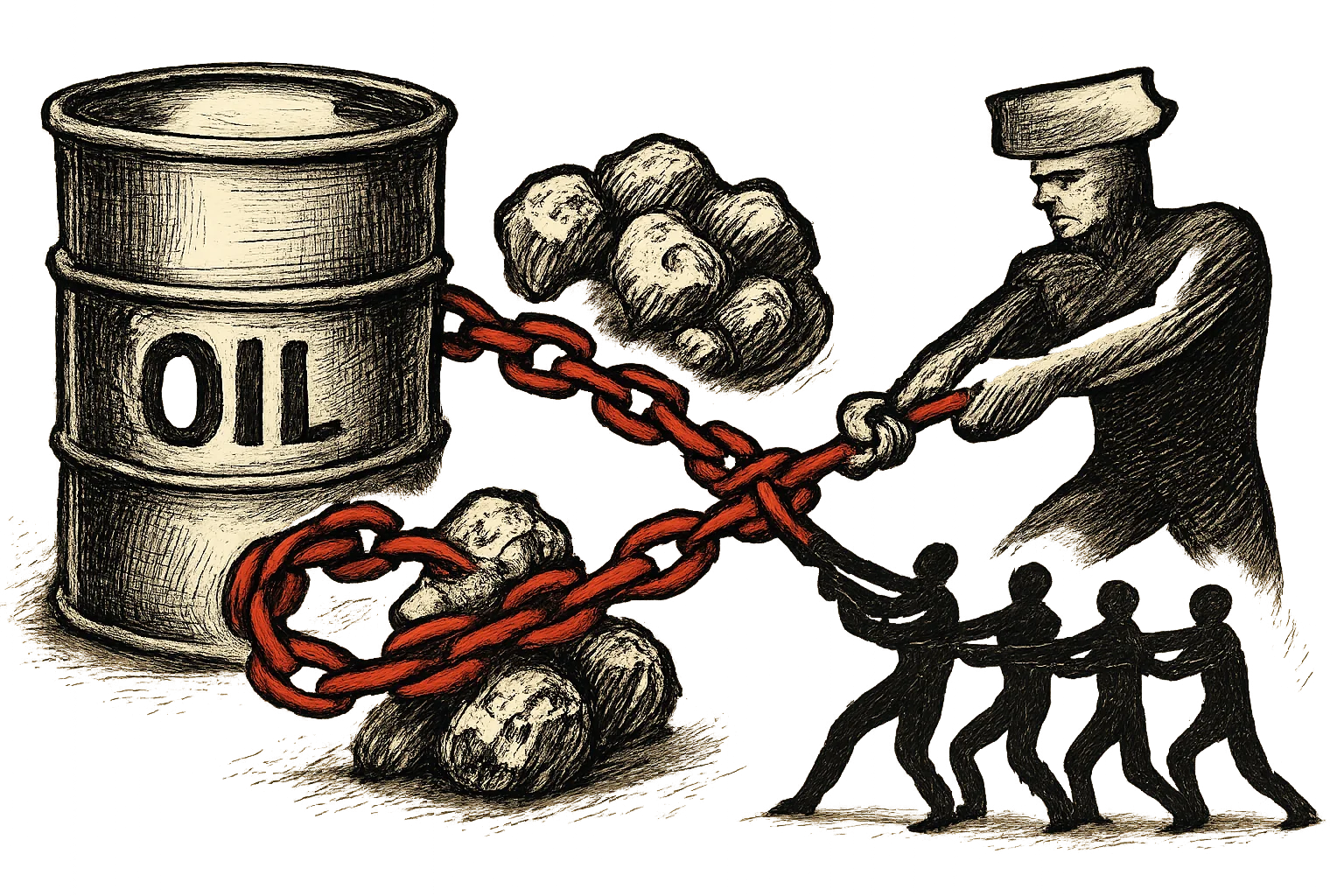
U.S. Strategic Aims in Securing Critical Minerals and Oil
During his tenure, President Donald Trump pursued an assertive strategy aimed at acquiring control over key mineral and oil resources located outside U.S. borders. The administration’s objectives were twofold: to guarantee a stable and affordable supply of these strategic commodities for the American economy, and to establish leverage that would allow the United States to restrict access to these resources by geopolitical competitors, particularly China. This approach involved seeking equity ownership in resource sectors of countries such as Venezuela and Brazil, as well as negotiating trade agreements designed to secure preferential access to Canadian oil and minerals.
Legal and Political Obstacles in Target Countries
However, these ambitions encounter significant challenges rooted in both international and domestic legal frameworks. In the United States, congressional approval remains uncertain, especially given the contested national security rationale underpinning these initiatives. Meanwhile, governments in resource-rich countries have strong incentives to resist arrangements perceived as undermining their sovereignty or economic interests. For example, Canadian authorities have expressed reservations about granting the U.S. preferential control over their mineral and energy sectors, reflecting broader concerns about preserving national autonomy.
Historical Precedents of Resource Nationalism
The difficulties faced by the Trump administration are consistent with a long-standing historical pattern known as the “obsolescing bargain.” This concept, articulated by economist Raymond Vernon, describes how host nations initially welcome foreign investment with generous terms but later seek to renegotiate or reclaim control as resource ventures mature and become profitable. Notable cases include Mexico’s 1938 expropriation of foreign oil assets, Iran’s 1951 nationalization of its oil industry, and similar actions in Peru, Chile, and Venezuela. These episodes demonstrate the persistent risk that resource-producing states will assert sovereignty over their natural wealth, often leading to protracted disputes with foreign investors and governments.
Implications for U.S. Resource Security Strategy
The Trump administration’s attempts to secure equity stakes or exclusive agreements in foreign mineral and oil sectors face not only legal hurdles but also entrenched nationalist opposition. Any deal that mandates below-market pricing or grants disproportionate benefits to U.S. entities is likely to provoke political backlash and eventual repudiation by successor governments. Furthermore, the expanding Chinese demand for critical minerals provides producing countries with alternative markets, reducing their willingness to acquiesce to U.S. control. The experience with efforts to restrict oil exports from Russia and Iran underscores the limitations of such approaches.
Conclusion
Given these factors, the prospect of the United States establishing durable control over critical minerals and oil resources abroad appears limited. Historical experience and current geopolitical realities suggest that attempts to impose long-term preferential arrangements on sovereign resource producers are unlikely to succeed. Instead, U.S. strategic interests may be better served by investing in domestic resource development, diversifying supply chains, and fostering multilateral partnerships that respect the autonomy of resource-rich nations.
Related Analysis
Source:
Peterson Institute for International Economics (PIIE)
Can you afford not to enter the US market? Talk to us, we’ll help you succeed in the United States.
Talk to us →