


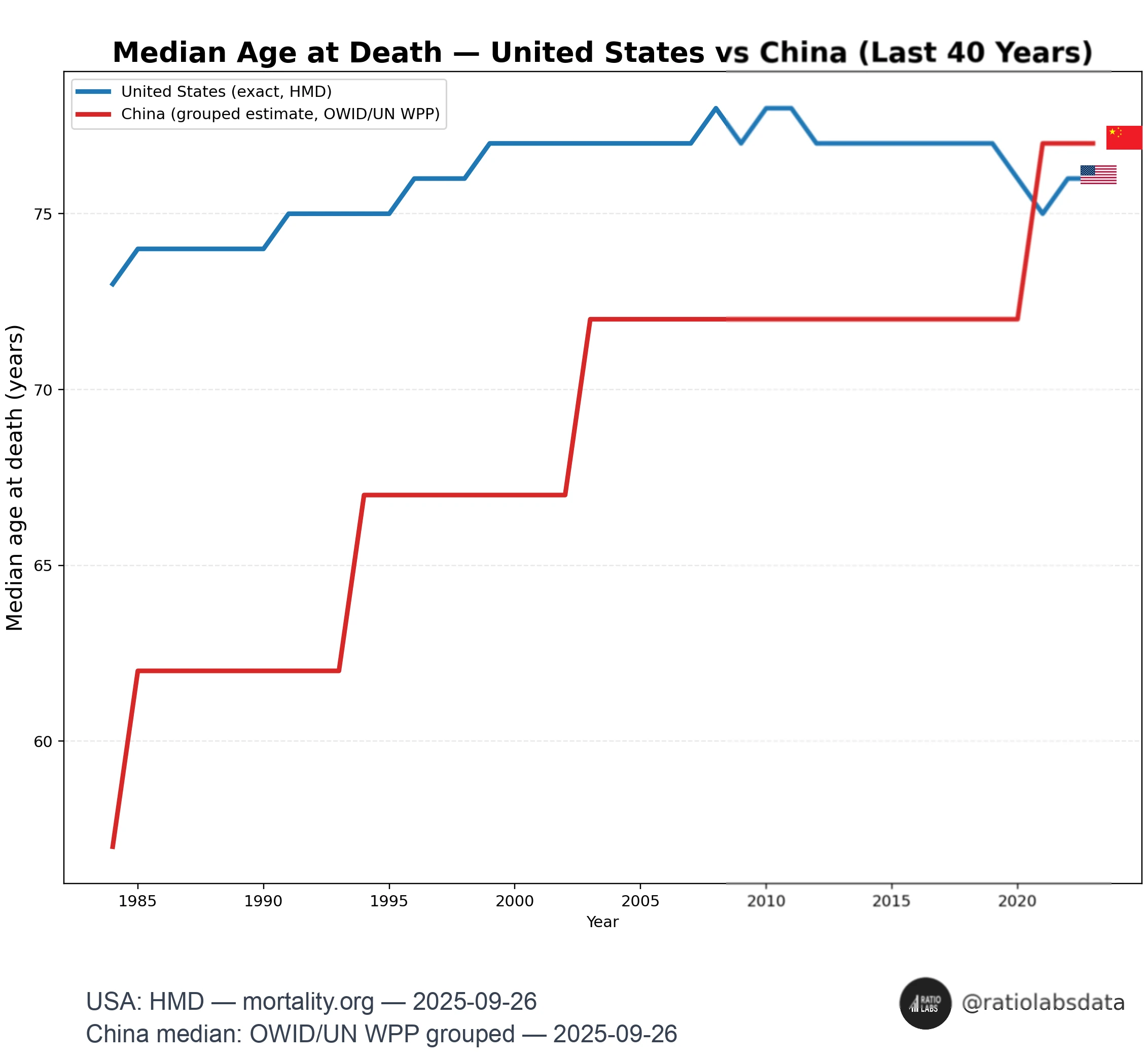
Shifting Demographic Trends in China and the United States
Recent statistical analyses reveal a notable demographic milestone: China’s average life expectancy has now surpassed that of the United States. This development marks a significant shift in public health outcomes between the world’s two largest economies, reflecting improvements in healthcare infrastructure, disease prevention, and social welfare within China. The United States, traditionally leading in longevity metrics, faces challenges related to healthcare access, chronic disease management, and socio-economic disparities that have influenced its life expectancy trajectory.
Strategic Implications for Economic and Industrial Presence
The rise in China’s life expectancy underscores broader socio-economic transformations that carry strategic weight for international business and geopolitical competition. A healthier population supports sustained economic productivity, innovation capacity, and market growth potential. For multinational corporations and policymakers, this demographic evolution reinforces the imperative of maintaining a robust presence in both China and the United States. Engaging effectively with these markets requires nuanced understanding of demographic trends, healthcare policy developments, and consumer behavior shifts that influence long-term economic resilience.
Healthcare Innovation and Competitive Advantage
China’s progress in extending life expectancy is closely linked to advances in medical technology, public health initiatives, and expanding access to care. These factors contribute to the country’s growing role as a center for healthcare innovation, including biotechnology, pharmaceuticals, and digital health solutions. For the United States, maintaining leadership in these sectors demands addressing systemic healthcare challenges and fostering innovation ecosystems that can adapt to evolving demographic realities.
Conclusion: Navigating the Evolving US-China Landscape
The demographic crossover in life expectancy between China and the United States is more than a statistical curiosity; it signals shifting foundations in economic vitality and strategic influence. Stakeholders in government, industry, and investment must consider these changes when formulating strategies for engagement, competition, and collaboration. Maintaining informed, adaptive approaches to these key markets will be essential for securing long-term technological leadership, economic competitiveness, and geopolitical leverage.
Can you afford not to expand abroad Talk to us, we’ll help you grow your business internationally.
Talk to us →