


Reevaluating Innovation Structures in Japanese Automotive Firms
Japanese automakers, long renowned for their engineering excellence and incremental innovation, are revisiting their internal research and development (R&D) frameworks in response to mounting competitive pressures from China. After years of centralized, management-led decision-making, companies such as Honda are spinning off their R&D units once again. This strategic pivot returns to a model where engineers, rather than managers, lead innovation efforts. Far from a nostalgic gesture, this move reflects a necessary adaptation to a transformed global automotive landscape.
The China-Induced Shock to Japanese Automotive Dominance
For decades, Japanese car manufacturers maintained global leadership through methodical engineering, steady innovation, and expansive scaling. However, this established model is now under significant strain due to Chinese competitors operating at a markedly accelerated pace. Chinese automakers develop new vehicle models in less than half the time required by traditional manufacturers, rapidly iterating designs, integrating software early in the process, and quickly abandoning outdated platforms. This agility results in shorter product life cycles, aggressive pricing strategies, and increasingly competitive electric vehicle offerings.
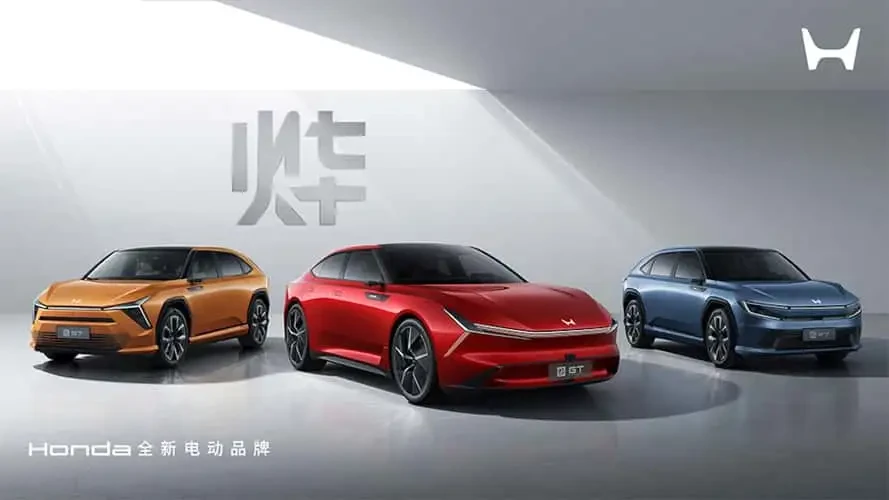
Honda’s experience exemplifies these challenges. Since peaking in 2020, its China sales have declined sharply, and factory utilization rates have dropped to approximately 50–60 percent, indicating a structural rather than cyclical downturn.
Strategic Reorganization at Honda: Returning to Foundational Principles
Honda’s decision to decentralize its R&D aligns with the philosophy of its founder, Soichiro Honda, who emphasized that innovation thrives when engineers operate with autonomy. In 2020, the company had reintegrated R&D into central management to enhance efficiency—a strategy that proved effective in stable market conditions. However, the rapidly evolving competitive environment now prioritizes speed and creativity over hierarchical coordination.
This organizational shift acknowledges a critical reality: traditional corporate hierarchies are insufficiently agile to compete with the dynamic, execution-focused Chinese automotive model.
China’s Competitive Advantages Beyond Cost
While cost competitiveness is often cited in analyses of China’s rise, the country’s automotive sector’s strengths extend far beyond pricing. Key advantages include development cycles under two years, vertical integration encompassing batteries, software, and supply chains, state-supported scaling and capital access, and intense domestic market competition. These factors create a high-frequency innovation ecosystem that traditional original equipment manufacturers (OEMs) were not designed to emulate.
Broader Strategic Implications for Global Automotive Industry
Honda’s restructuring signals a broader trend among Japanese and Western automakers moving away from management-centric control models. Engineer-driven innovation is reemerging as a critical competitive differentiator, and organizational design itself is becoming a strategic asset. The competitive landscape is shifting from a sole focus on product offerings to include how companies internally organize and execute innovation.
Systemic Speed as the Core Challenge
Despite these changes, Honda acknowledges that reverting to an engineer-led model does not guarantee success. The fundamental challenge lies in achieving systemic speed—operating as a coordinated, flexible network rather than a rigid hierarchy. China’s automotive ecosystem exemplifies this networked approach, whereas many Western and Japanese firms remain constrained by hierarchical structures.
Conclusion: The Imperative for Organizational Reinvention
China’s ascendancy in the automotive sector is compelling global manufacturers to fundamentally rethink their innovation paradigms. Honda’s organizational overhaul is a prominent indicator that the traditional centralized management model is fracturing, and engineer-led cultures are reasserting themselves with China setting the innovation tempo. The critical question for established automakers is not whether they can catch up technologically, but whether they can transform their internal structures rapidly enough to remain competitive in a fast-evolving global market.
Can you afford not to expand abroad Talk to us, we’ll help you grow your business internationally.
Talk to us →