


Addressing Critical Shortages in Burn Care Resources
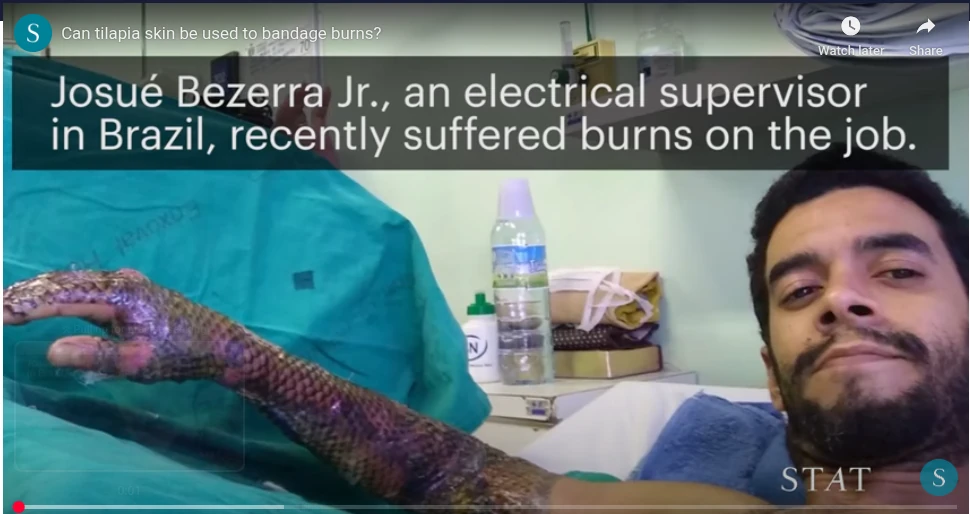
In the coastal city of Fortaleza, Brazil, medical practitioners have implemented an unconventional yet effective approach to treating severe burns by utilizing the skin of Tilapia fish. This innovation emerges from a pressing challenge: the scarcity of human donor skin and the high cost of synthetic alternatives commonly used in countries like the United States. Brazilian skin banks currently fulfill only about one percent of the national demand, forcing most patients within the public healthcare system to rely on traditional treatments involving daily dressing changes with gauze and antimicrobial creams such as silver sulfadiazine. While these creams offer infection protection, they do not actively promote healing and often cause significant patient discomfort due to frequent wound cleaning.
Scientific Rationale and Material Properties of Tilapia Skin
Researchers at the University of Ceará (UFC) identified Tilapia skin as a promising biomaterial owing to its abundant availability as a byproduct of Brazil’s extensive fish farming industry. Detailed biochemical analyses revealed that Tilapia skin contains higher concentrations of collagen types I and III compared to human skin, essential components for scar tissue formation and wound repair. Additionally, the skin exhibits superior tensile strength and moisture retention capabilities. After undergoing sterilization through chemical treatments and gamma irradiation in São Paulo, the treated skin can be preserved for up to two years under refrigeration, making it a practical option for medical use.
Clinical Application and Patient Outcomes
The application process varies depending on the severity of the burn. For superficial second-degree burns, the sterilized Tilapia skin is applied directly to the wound and left in place until natural healing occurs. Deeper second-degree burns require periodic dressing changes, though these are substantially less frequent than with conventional methods. Clinical observations indicate that this treatment accelerates healing times by several days, reduces reliance on analgesics, and significantly diminishes patient pain levels. A case in point is Antônio dos Santos, a fisherman who suffered extensive burns from a gas explosion and reported notable pain relief following the application of Tilapia skin dressings.
Comparative Studies and Economic Implications
Under the guidance of Dr. Edmar Maciel, a plastic surgeon specializing in burn care, the research team has conducted comparative studies evaluating Tilapia skin against human and porcine skin grafts as well as other experimental materials like frog skin. Preliminary data suggest that Tilapia skin not only provides comparable clinical benefits but also reduces hospital stays, lowers infection risks, and decreases the consumption of medical supplies. Cost analyses are ongoing, but early indications point to significant economic advantages, particularly in resource-constrained healthcare settings.
Potential for Industrial Scale-Up and Global Impact
While regulatory and ethical considerations may slow adoption in countries with abundant donor tissues and stringent approval processes, such as the United States, the Brazilian experience demonstrates the potential for Tilapia skin to serve as a cost-effective, scalable solution in emerging markets. The UFC has been developing freeze-dried versions of the product and is actively seeking partnerships with manufacturers to enable industrial production and commercialization. This initiative exemplifies how locally sourced materials can be leveraged to address critical healthcare challenges, enhancing resilience and innovation within medical supply chains.
Strategic Significance for Healthcare Innovation
The integration of Tilapia skin into burn treatment protocols highlights a broader trend of utilizing unconventional biomaterials to overcome limitations in traditional medical resources. For policymakers and industry stakeholders focused on technological leadership and healthcare competitiveness, this case underscores the importance of fostering research that aligns with regional strengths and resource availability. The approach not only improves patient outcomes but also contributes to sustainable medical practices by valorizing byproducts of existing industries.
Can you afford not to expand abroad Talk to us, we’ll help you grow your business internationally.
Talk to us →