


Introduction to Expanded Sanctions on Russian Energy Imports
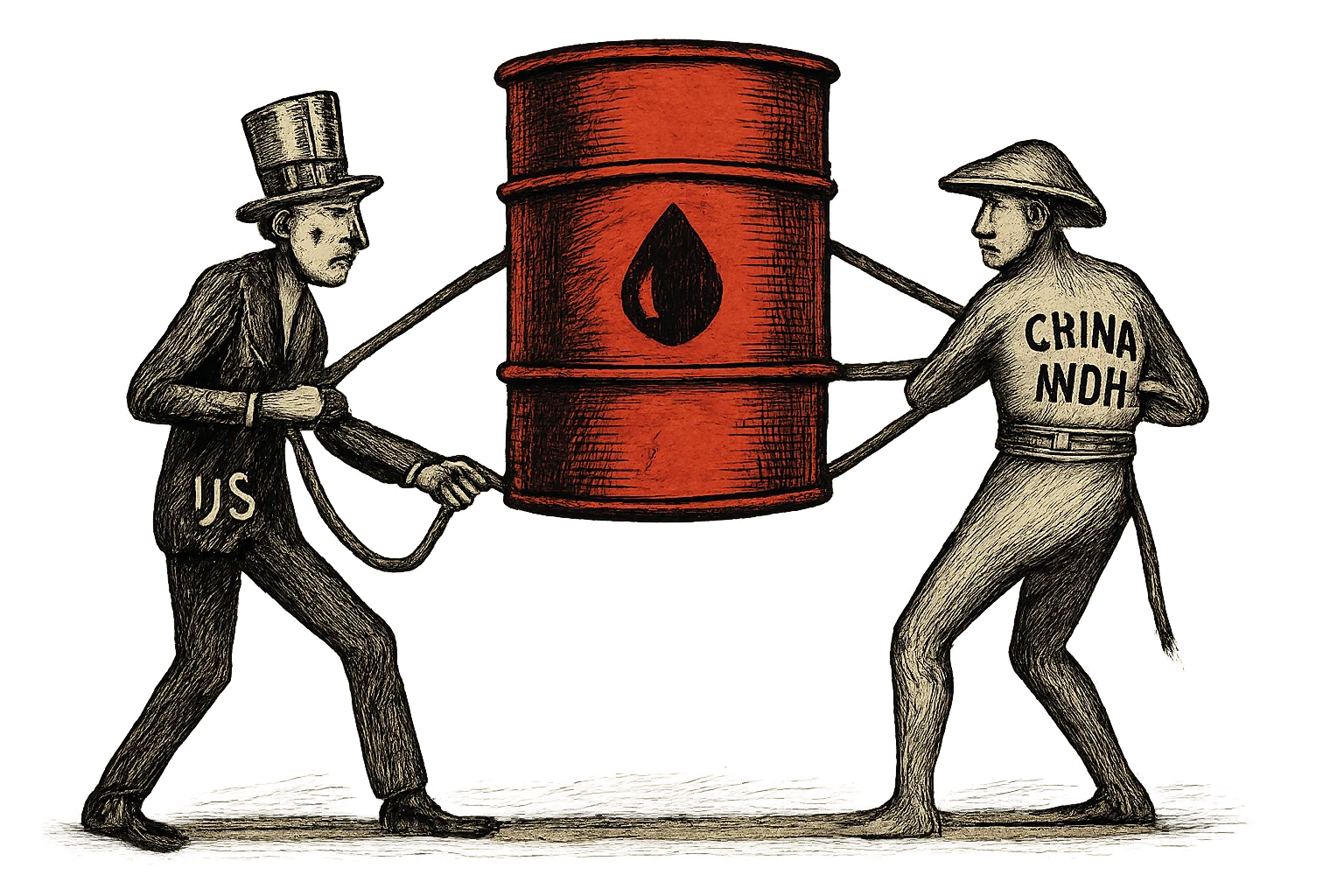
In a significant escalation of economic measures against Russia, the United States has enacted legislation targeting the country’s major energy importers, notably China and India. This development comes just days before Chinese President Xi Jinping’s scheduled state visit to Washington, underscoring the complex interplay between diplomatic engagement and strategic economic pressure.
Legislative Background and Provisions
The newly signed statute, known as the Lindsey O. Graham Sanctioning Russia and Iran Act of 2026, was approved by the US Congress with substantial bipartisan support. The House of Representatives passed the bill by a vote of 262 to 159, following an earlier Senate approval of 86 to 11. The legislation authorizes the imposition of tariffs up to 100 percent on the top five purchasers of Russian oil and natural gas, thereby expanding the United States’ existing sanctions framework.
Strategic Implications for US-China Relations
This legislative move signals a firm US stance on limiting Russia’s energy revenues, which are critical to its economic resilience amid ongoing geopolitical conflicts. Targeting China and India, two of Russia’s largest energy buyers, introduces a direct challenge to their energy procurement strategies and broader economic interests. The timing of the bill’s enactment, immediately preceding Xi Jinping’s visit, suggests a calculated effort to leverage economic policy as a component of strategic rivalry and diplomatic signaling.
Broader Geopolitical Context
The sanctions reflect the United States’ broader approach to countering Russian influence and restricting its access to global energy markets. By expanding statutory sanctions and tariffs, the US aims to exert maximum economic pressure on Russia while compelling its key partners to reconsider their energy dependencies. This aligns with Washington’s objectives to reinforce its geopolitical leverage and uphold a rules-based international order amid intensifying great power competition.
Conclusion: Economic Measures as Tools of Strategic Competition
The enactment of this sanctions bill exemplifies the intersection of economic policy and geopolitical strategy in the current international landscape. As the US intensifies its efforts to isolate Russia economically, the implications for China-US relations and global energy markets will be closely monitored. This development underscores the increasing role of targeted sanctions and trade measures as instruments of statecraft in the era of strategic competition.
Related Analysis
-
US Congress Empowers Tariffs on Major Russian Energy Importers Amid Rising Sino-American Tensions
-
US Sanctions Targeting Russia’s Energy Buyers Challenge China Ahead of Xi-Trump Summit
-
Germany’s Growing Reliance on U.S. LNG: Assessing the Strategic Risks of a New Gas Dependency
-
Washington’s Strategic Reconfiguration of the North American Trade Framework Amid China Concerns
Source:
South China Morning Post
Can you afford not to enter the Chinese market? Talk to us, we’ll help you succeed in China.
Talk to us →