


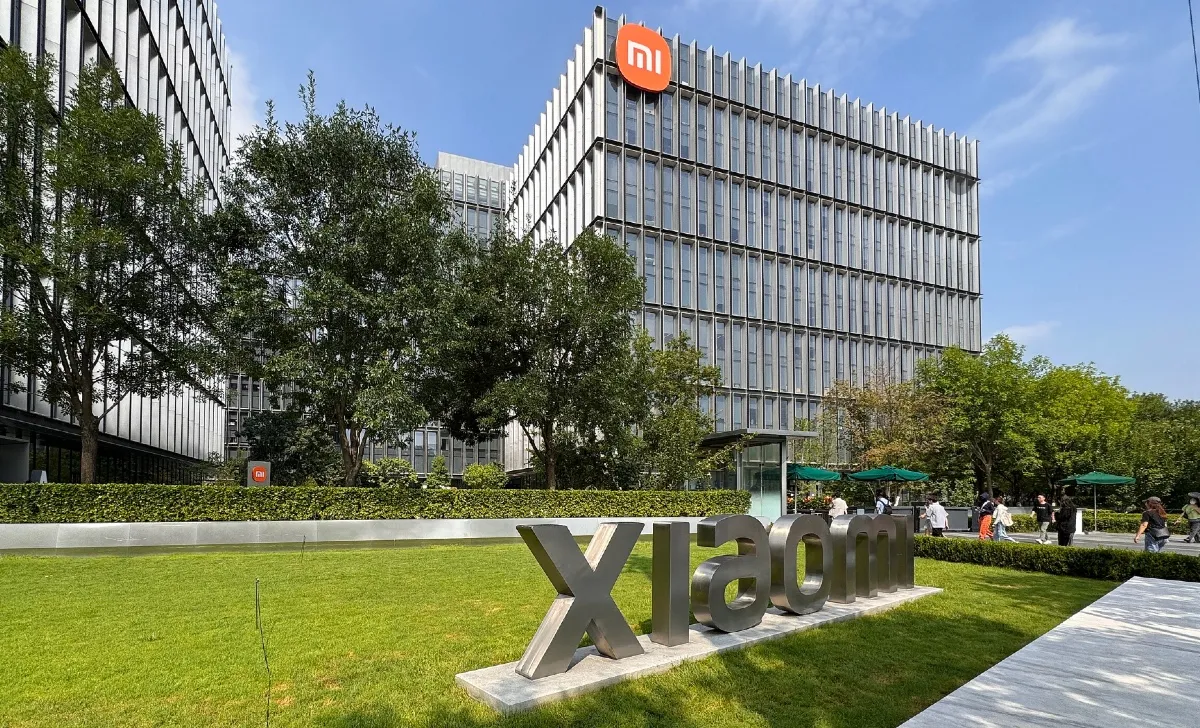
Strategic Importance of Xiaomi’s 3-nanometer SoC Development
Xiaomi’s recent announcement regarding the successful tape-out of its inaugural 3-nanometer (nm) system-on-chip (SoC) represents a pivotal moment in China’s semiconductor industry. Scheduled for mass production in the first half of 2025, this development underscores a renewed commitment by Xiaomi to in-house chip design after previous setbacks. The tape-out stage, a critical milestone in semiconductor fabrication, signifies the completion of the chip’s final design, ready for manufacturing.
Contextualizing Xiaomi’s Chip Design Journey
Historically, Xiaomi had retreated from developing proprietary smartphone processors due to technical challenges, including performance and thermal management issues observed in earlier chipsets like the S1 and the unsuccessful S2 project. The current breakthrough, therefore, marks a strategic comeback as Xiaomi aims to reduce dependence on external suppliers and enhance its technological self-reliance amid escalating geopolitical pressures.
Collaboration and Manufacturing Partnerships
Industry speculation suggests Xiaomi’s 3-nm chip design may be a product of collaboration with Taiwan-based MediaTek, leveraging MediaTek’s design expertise and Taiwan Semiconductor Manufacturing Company’s (TSMC) advanced N4P process node for fabrication. This partnership highlights a complex interdependence within the semiconductor supply chain, where Chinese design ambitions are still linked to Taiwanese manufacturing capabilities despite increasing geopolitical tensions.
Implications of US Export Controls on Chinese Semiconductor Progress
The progress achieved by Xiaomi occurs against a backdrop of stringent US export controls implemented since August 2022, which restrict Chinese companies’ access to critical electronic computer-aided design (ECAD) software and advanced chip manufacturing equipment. These controls aim to limit China’s ability to develop cutting-edge semiconductors, particularly at process nodes below 5 nm. Xiaomi’s success in achieving a 3-nm tape-out raises questions about how the company navigated these constraints, possibly through technology transfer or partnerships, underscoring the resilience and adaptability of China’s semiconductor ecosystem.
Potential Strategic and Market Consequences
If Xiaomi’s 3-nm SoC enters mass production as planned, it could enable other Chinese technology firms, including those under US sanctions such as Huawei, to integrate this advanced chip into their products. This development may alter competitive dynamics in the global smartphone processor market, where MediaTek currently holds a leading position, partly fueled by major clients like Xiaomi, Samsung, and OPPO. Moreover, Xiaomi’s push toward proprietary chip development aligns with broader national objectives to achieve semiconductor self-sufficiency and reduce reliance on foreign technology amid intensifying US-China strategic rivalry.
Outlook on China’s Semiconductor Industry Trajectory
Xiaomi’s advancement reflects a broader trend of Chinese firms accelerating efforts in semiconductor innovation despite external restrictions. The involvement of US-based electronic design automation (EDA) companies—Mentor Graphics, Cadence Design Systems, and Synopsys—in the global supply chain further complicates the landscape, as these firms dominate the software tools essential for chip design. How China navigates these technological bottlenecks will critically influence its ability to compete in next-generation semiconductor technologies, with implications for global technology leadership and supply chain resilience.
Can you afford not to expand abroad Talk to us, we’ll help you grow your business internationally.
Talk to us →