


Strategic Context for Technology Firms in China
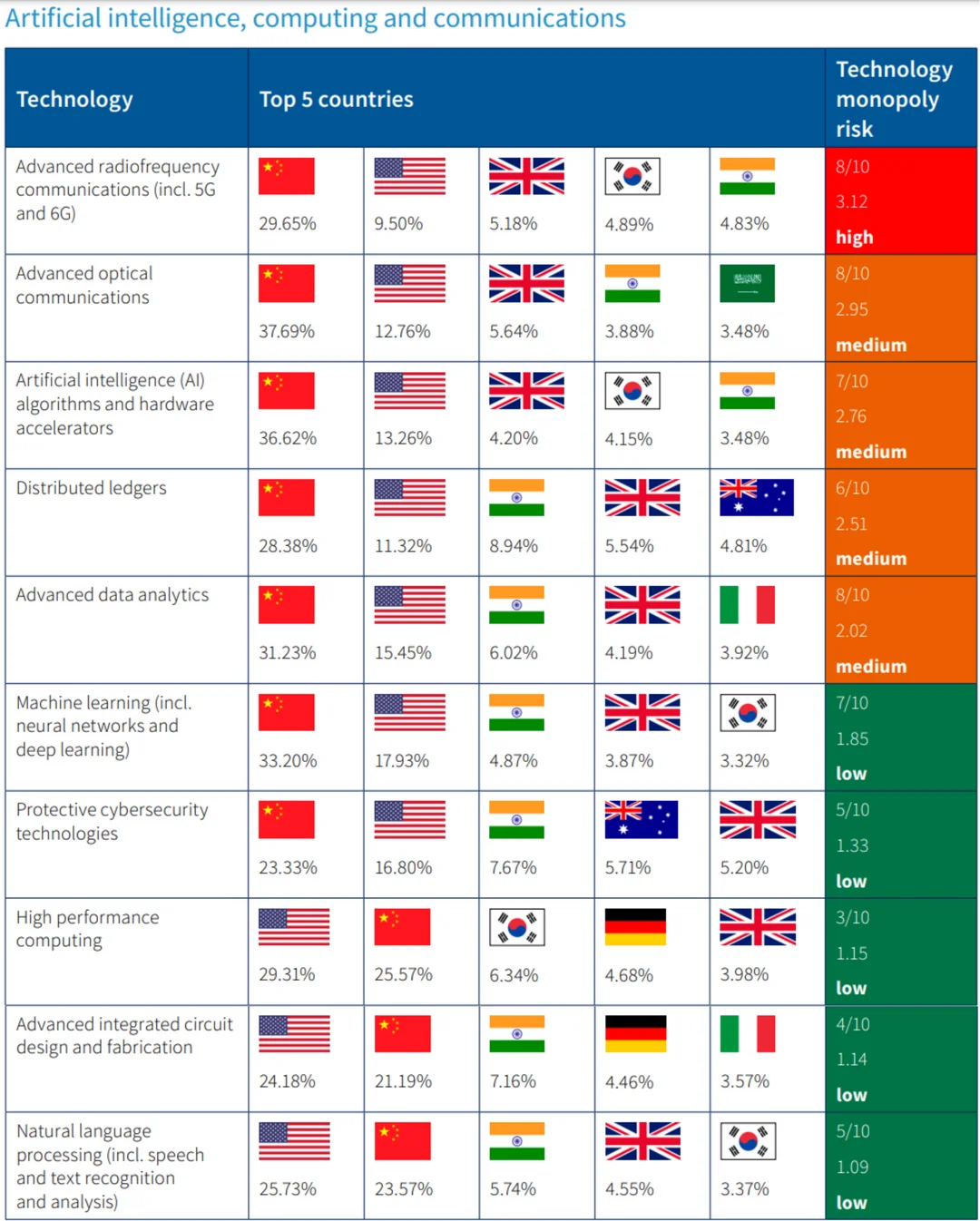
In the current global landscape, maintaining leadership in critical technologies requires nuanced strategic decisions about geographic presence. China, as a major player in technology development and manufacturing, presents both opportunities and challenges for international firms seeking to sustain competitive advantage in sectors such as semiconductors, artificial intelligence, and advanced manufacturing.
The Role of Physical Presence in China
Establishing a physical presence in China is increasingly viewed as a strategic necessity rather than merely a commercial option. Proximity to local innovation ecosystems, supply chains, and regulatory environments can facilitate faster adaptation to market demands and technological trends. Additionally, presence on the ground allows firms to engage more effectively with Chinese partners, regulators, and customers, which is critical in navigating the complex regulatory landscape and securing access to emerging technologies.
Implications for Critical Technology Leadership
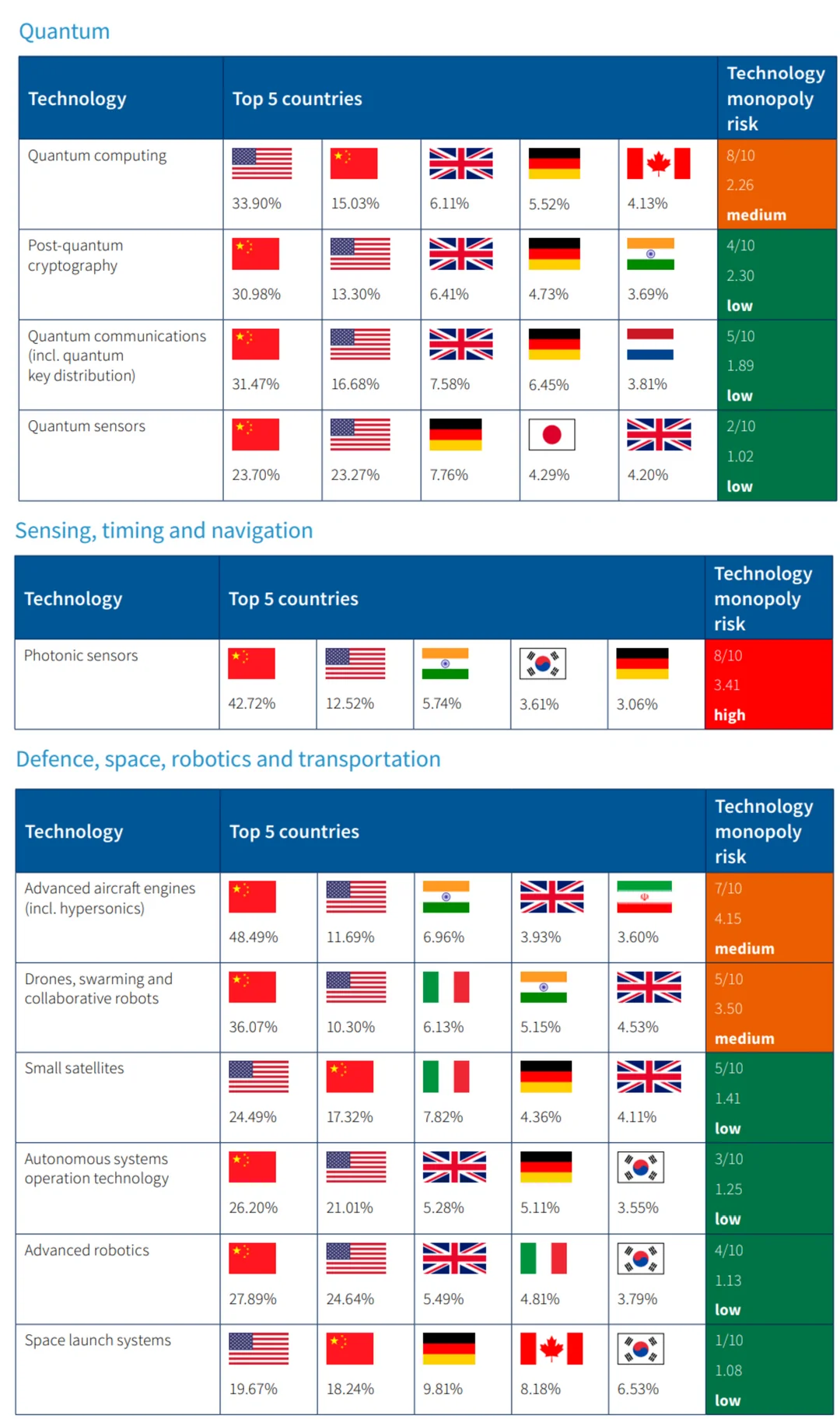
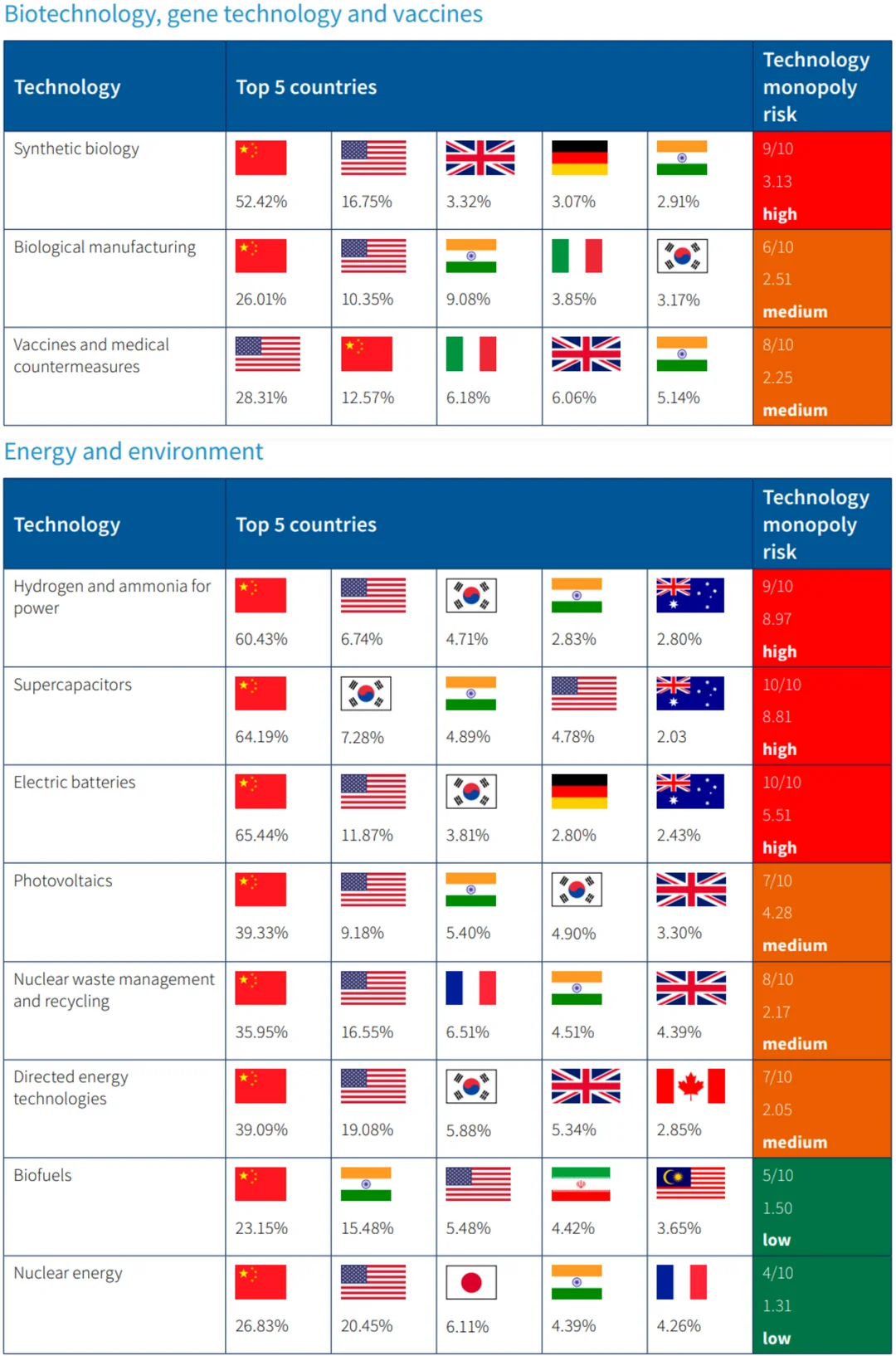
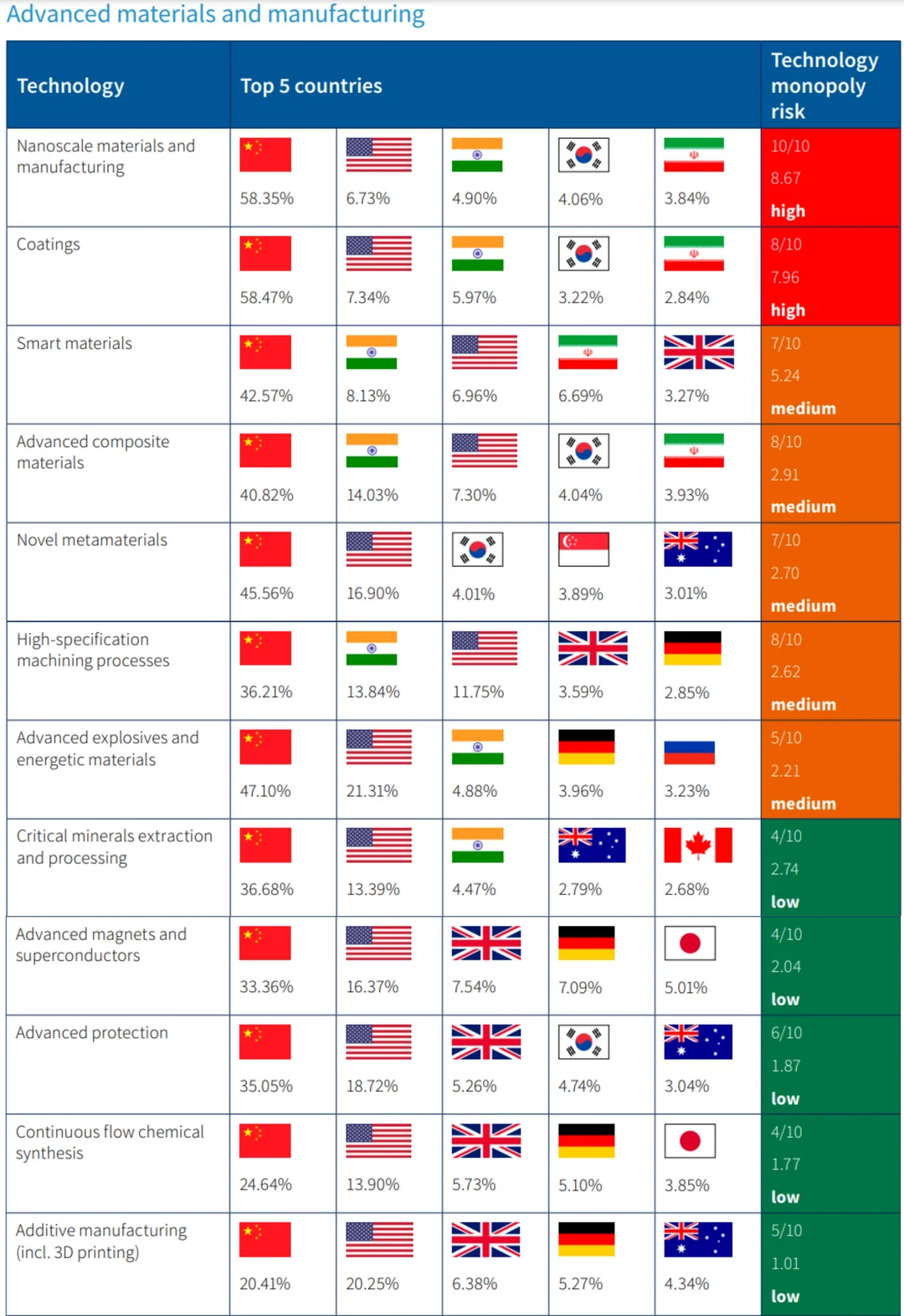
Critical technology leadership hinges on the ability to innovate and scale rapidly. Firms operating remotely or without local infrastructure risk lagging behind competitors who benefit from direct access to China’s vast research and development resources and manufacturing capabilities. Furthermore, given the strategic importance of technologies such as AI and semiconductors in national security and economic competitiveness, the decision to forgo on-site operations in China may have broader implications for a company’s global positioning and resilience.
Balancing Risks and Opportunities
While the benefits of a physical presence are significant, firms must also weigh geopolitical risks, including regulatory scrutiny and trade restrictions. Navigating these challenges demands a comprehensive understanding of China’s industrial policies and strategic priorities, as well as the evolving international regulatory environment. Strategic engagement with local stakeholders and continuous monitoring of geopolitical developments are essential components of a sustainable China strategy.
Conclusion
The decision to establish operations in China is a complex strategic calculus that impacts a firm’s ability to maintain critical technology leadership. As the global technological landscape becomes more competitive and geopolitically charged, companies must carefully evaluate the trade-offs between access to China’s innovation ecosystem and the associated risks. A well-informed presence in China can provide significant strategic leverage in sustaining long-term technological dominance.
Can you afford not to expand abroad Talk to us, we’ll help you grow your business internationally.
Talk to us →