China Sets New Benchmark in Maglev Acceleration with 0 to 800 km/h in Five Seconds

China Sets New Benchmark in Maglev Acceleration with 0 to 800 km/h in Five Seconds

Chinese researchers have achieved a groundbreaking acceleration record by propelling a maglev test vehicle from zero to 800 kilometers per hour in just over five seconds, marking a significant technological milestone in high-speed rail development and magnetic levitation technology.

Reassessing U.S. AI Strategy Amid China's Rapid Advances and Market Pressures

Reassessing U.S. AI Strategy Amid China’s Rapid Advances and Market Pressures

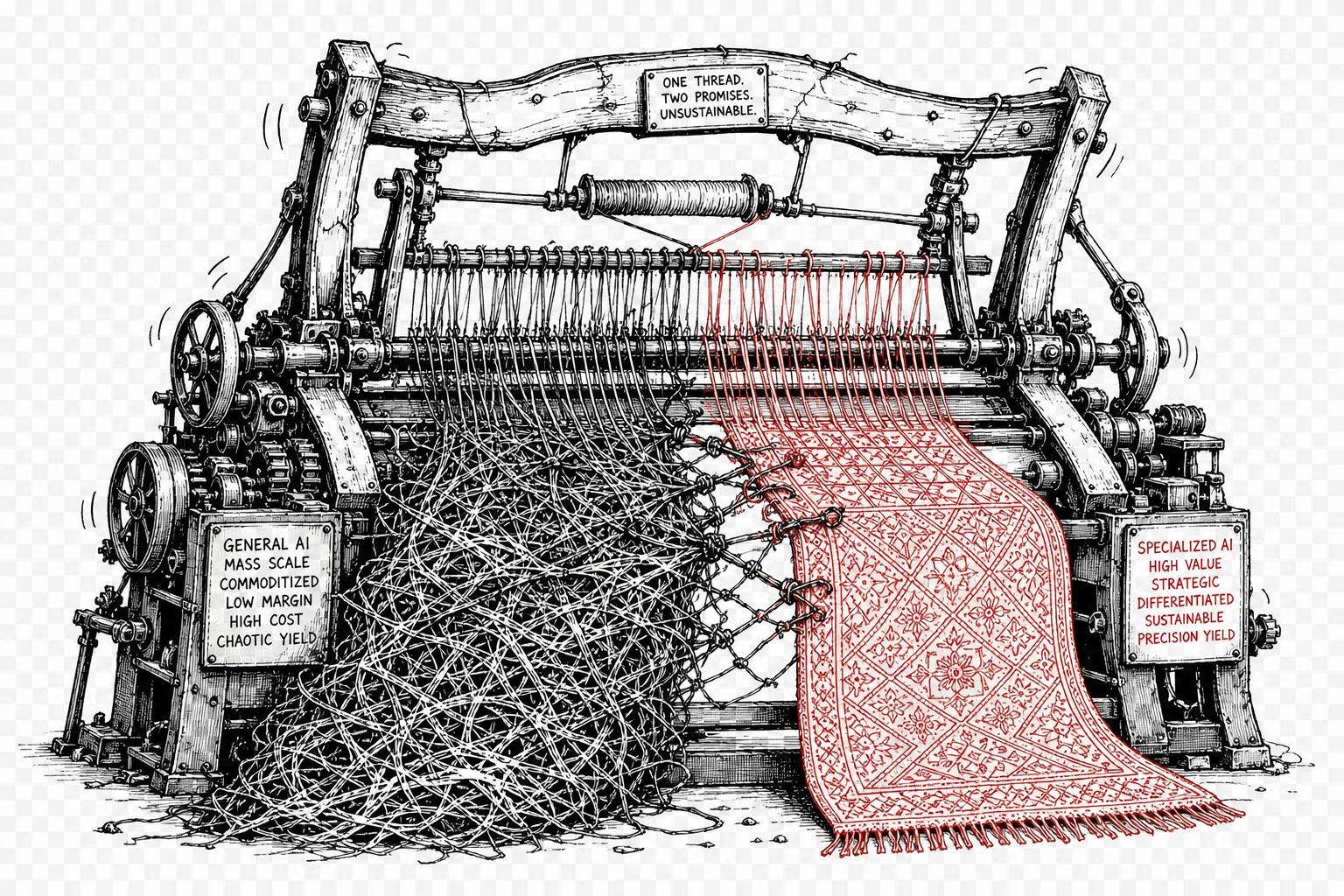
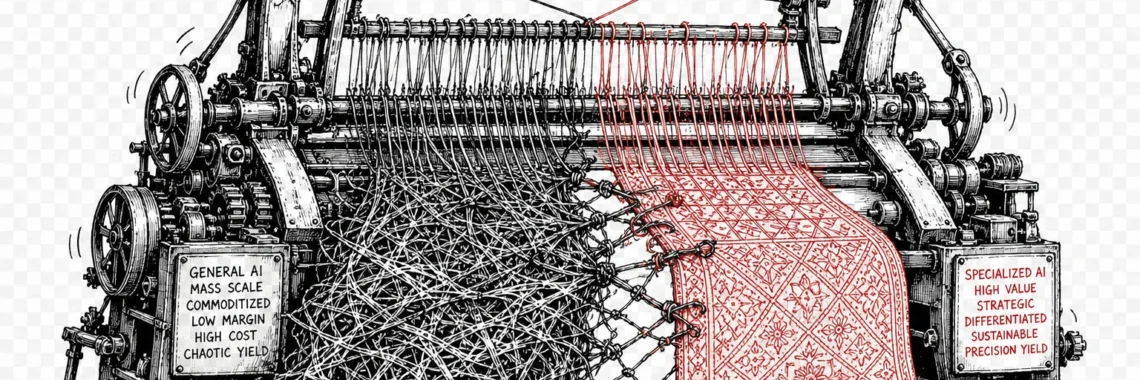
As China narrows the technological gap in artificial intelligence, the U.S. faces critical challenges in its AI industry driven by unsustainable economic models and strategic misalignment. This analysis examines the structural inefficiencies of current AI paradigms and argues for a recalibration toward innovation in specialized AI applications with long-term strategic value.

Navigating Brazil’s Regulatory Landscape for Connected Medical Devices: Cybersecurity and Data Protection Challenges

Navigating Brazil’s Regulatory Landscape for Connected Medical Devices: Cybersecurity and Data Protection Challenges

Brazil’s regulatory framework for connected medical devices integrates cybersecurity protocols with stringent data protection measures under ANVISA and the LGPD, addressing rising cyber threats and safeguarding patient data within an evolving digital healthcare ecosystem.

China’s Strategic Focus on AI as Foundational Infrastructure Rather Than Consumer Chatbots

China’s Strategic Focus on AI as Foundational Infrastructure Rather Than Consumer Chatbots

China is advancing artificial intelligence by embedding it as a core component of infrastructure across industries and urban management, diverging from the Western emphasis on consumer-facing chatbots. This approach integrates AI into robotics, logistics, and smart city systems, aiming to enhance operational efficiency and resilience.

China’s Ambition to Control High-Speed Rail via Low Earth Orbit Satellites: Strategic Implications and Cybersecurity Challenges

China’s Ambition to Control High-Speed Rail via Low Earth Orbit Satellites: Strategic Implications and Cybersecurity Challenges

China is developing a space-based control system for its high-speed rail network using low Earth orbit satellites, aiming to enhance resilience against terrestrial disruptions. However, cybersecurity vulnerabilities and geopolitical concerns arise as this technology could extend Chinese influence over critical infrastructure abroad.

The Enduring Western Edge in Jet Engine Manufacturing: Lessons from China's Struggles

The Enduring Western Edge in Jet Engine Manufacturing: Lessons from China’s Struggles

Despite China’s rapid industrial growth and state-supported technological ambitions, its jet engine industry remains significantly behind Western counterparts due to the unique complexity, slow innovation cycles, and stringent reliability demands inherent in jet engine production. This disparity underscores the strategic advantages of Western industrial ecosystems in sustaining technological leadership in critical defense and aerospace sectors.

Rethinking AI Policy: The Risks of the Nuclear Weapons Analogy in Advanced AI Governance

Rethinking AI Policy: The Risks of the Nuclear Weapons Analogy in Advanced AI Governance

The prevailing analogy equating artificial intelligence development with nuclear weapons has shaped U.S. AI policy debates, but critical differences in command structures, safety protocols, and strategic framing highlight the limitations of this comparison. A nuanced approach is necessary to address AI’s unique risks and governance challenges.