Reassessing U.S. AI Strategy Amid China's Rapid Advances and Market Pressures

Reassessing U.S. AI Strategy Amid China’s Rapid Advances and Market Pressures

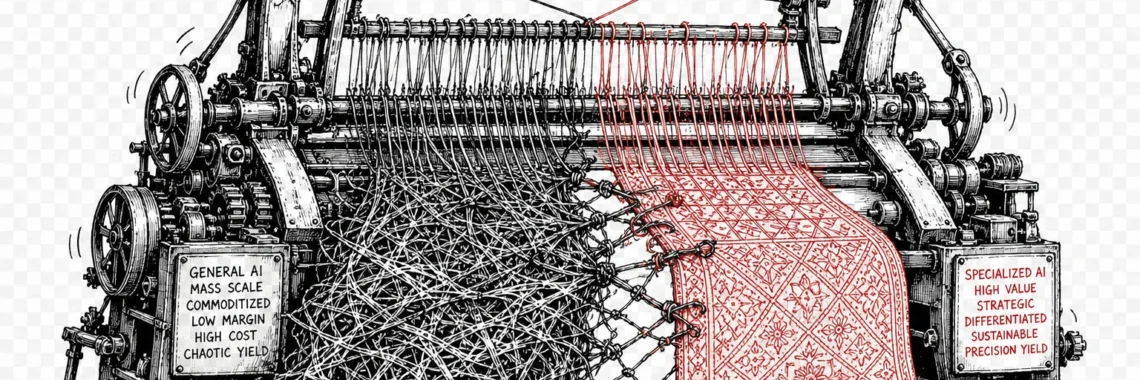
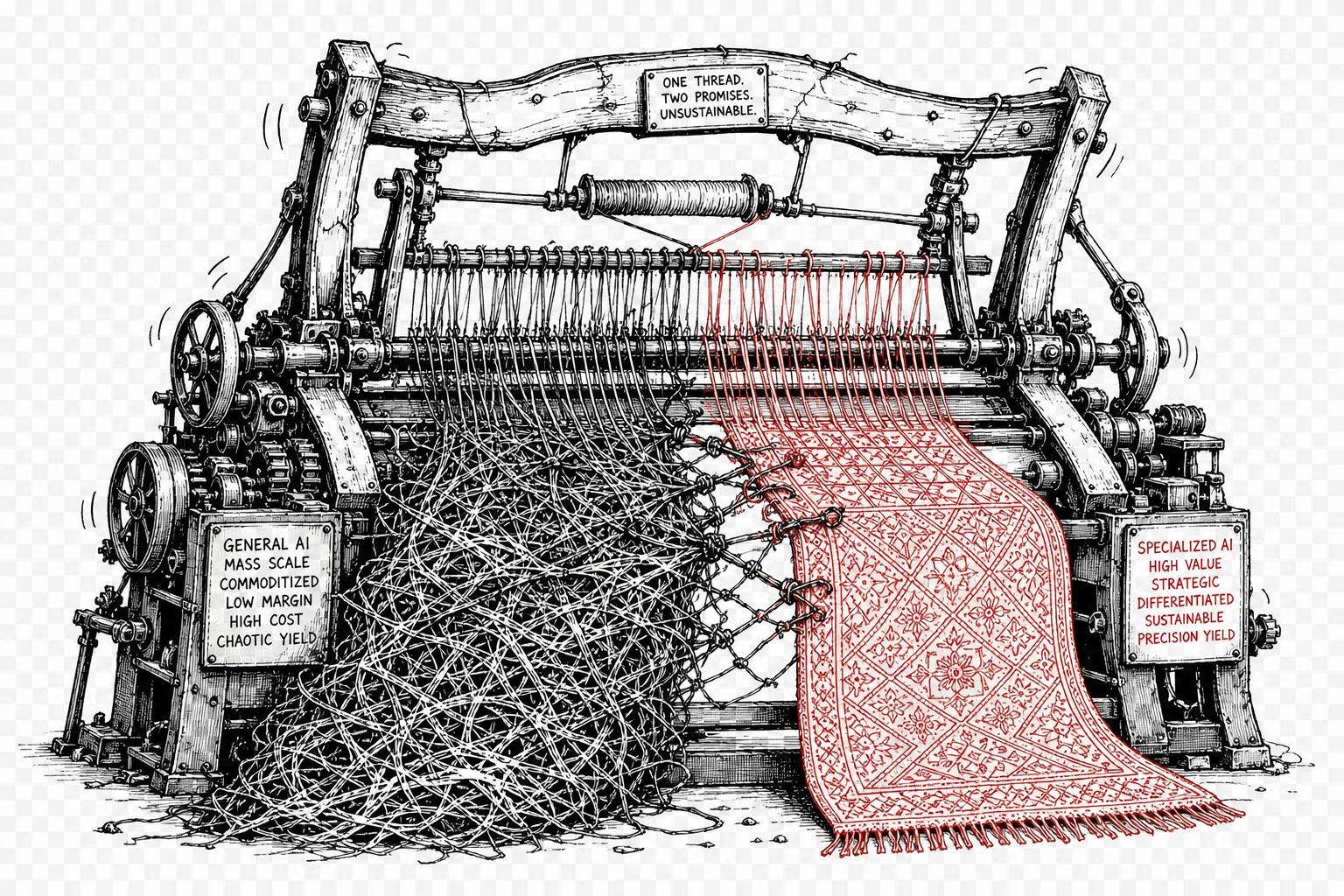
As China narrows the technological gap in artificial intelligence, the U.S. faces critical challenges in its AI industry driven by unsustainable economic models and strategic misalignment. This analysis examines the structural inefficiencies of current AI paradigms and argues for a recalibration toward innovation in specialized AI applications with long-term strategic value.

Securing the Battery Supply Chain: Strategic Imperatives for Military Drone Operations

Securing the Battery Supply Chain: Strategic Imperatives for Military Drone Operations

As military reliance on drones expands rapidly, establishing resilient and independent battery supply chains has become critical to maintaining operational endurance and combat effectiveness. This analysis explores the unique logistical challenges posed by drone batteries and outlines a strategic framework for fortifying domestic and allied industrial capacity.

Strategic Industrial Policy: Lessons for the West from China's Systematic Approach

Strategic Industrial Policy: Lessons for the West from China’s Systematic Approach

China’s targeted and systemic industrial policy, focusing on strategic sectors and integrated infrastructure, challenges Western approaches that often favor established industries. While Western institutions critique China’s model for inefficiencies, they increasingly recognize the need for a coordinated, long-term industrial strategy to maintain technological and economic competitiveness.

Geopolitical and Industrial Implications of ASML's EUV Technology and U.S.-China Export Controls

Geopolitical and Industrial Implications of ASML’s EUV Technology and U.S.-China Export Controls

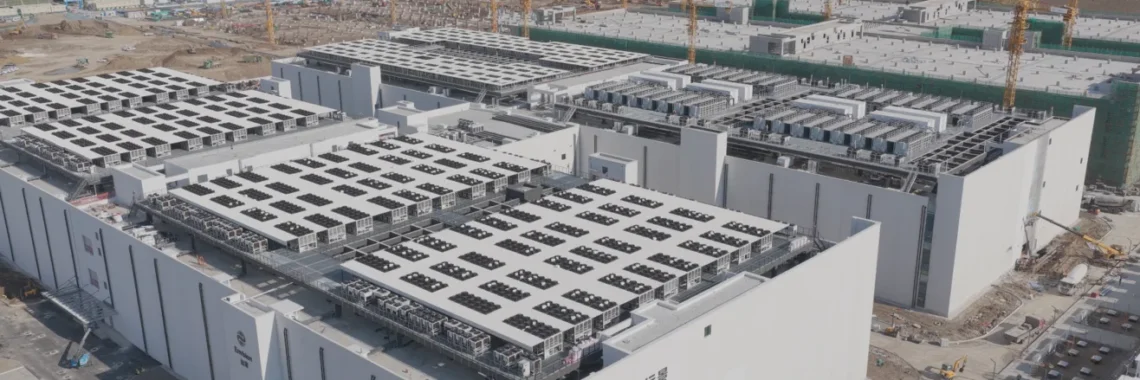
The controversy surrounding allegations that a Dutch-made extreme-ultraviolet lithography machine has reached China underscores complex tensions in global semiconductor supply chains, export controls, and technological competition between the U.S., Europe, and China. This episode highlights the strategic importance of semiconductor manufacturing technology in the broader context of AI development and geopolitical rivalry.

US Semiconductor Export Controls and the Xi-Trump Summit: A Strategic Pause Amid Rising Chinese Self-Reliance

US Semiconductor Export Controls and the Xi-Trump Summit: A Strategic Pause Amid Rising Chinese Self-Reliance

Despite the presence of Nvidia and AMD CEOs at the White House state dinner during President Xi Jinping’s visit, US semiconductor export controls remained a subdued topic, reflecting China’s advancing chip self-sufficiency and the complex geopolitical dynamics constraining market access negotiations.

Assessing the Limits of Export Controls on China’s Expanding Industrial Base

Assessing the Limits of Export Controls on China’s Expanding Industrial Base

China’s industrial evolution from low-cost manufacturing to leadership in advanced sectors like electric vehicles and semiconductors highlights the limitations of export controls as a tool to curb its global industrial influence. The strategic challenge lies in understanding China’s capacity to scale mature technologies across emerging markets rather than focusing solely on cutting-edge innovation.