Globalisation 2.0: China's Shift from Exporting Goods to Exporting Industrial Capacity

Globalisation 2.0: China’s Shift from Exporting Goods to Exporting Industrial Capacity

China’s evolving economic role reflects a broader global shift from trade in consumer goods to the export of productive capacity, enabling both developing and advanced economies to build manufacturing ecosystems critical for future growth and technological leadership.
EU-China Hybrid Vehicle Quota: Limited Benefits for European Automakers Amid Intensifying Competition

EU-China Hybrid Vehicle Quota: Limited Benefits for European Automakers Amid Intensifying Competition

The recent EU-China agreement to cap Chinese hybrid car exports to Europe at 350,000 units annually marks a significant shift in trade dynamics but offers limited strategic advantage to European automakers facing escalating competition from Chinese electric vehicles.

China’s Economic Slowdown and the Strategic Opportunity for U.S. Industrial Resilience

China’s Economic Slowdown and the Strategic Opportunity for U.S. Industrial Resilience

China’s economic growth model is facing fundamental constraints that limit its capacity to sustain domestic demand and industrial modernization, reshaping the strategic competition with the United States. This shift presents a pivotal moment for the U.S. to strengthen industrial resilience and leverage demand-side tools to counterbalance China’s export-driven economy.

Geopolitical and Industrial Implications of ASML's EUV Technology and U.S.-China Export Controls

Geopolitical and Industrial Implications of ASML’s EUV Technology and U.S.-China Export Controls

The controversy surrounding allegations that a Dutch-made extreme-ultraviolet lithography machine has reached China underscores complex tensions in global semiconductor supply chains, export controls, and technological competition between the U.S., Europe, and China. This episode highlights the strategic importance of semiconductor manufacturing technology in the broader context of AI development and geopolitical rivalry.

The Enduring Western Edge in Jet Engine Manufacturing: Lessons from China's Struggles

The Enduring Western Edge in Jet Engine Manufacturing: Lessons from China’s Struggles

Despite China’s rapid industrial growth and state-supported technological ambitions, its jet engine industry remains significantly behind Western counterparts due to the unique complexity, slow innovation cycles, and stringent reliability demands inherent in jet engine production. This disparity underscores the strategic advantages of Western industrial ecosystems in sustaining technological leadership in critical defense and aerospace sectors.

China Signals Retaliation Amid Rising EU Trade Measures in Strategic Economic Rivalry

China Signals Retaliation Amid Rising EU Trade Measures in Strategic Economic Rivalry

China has issued a formal warning to the European Union against implementing new trade restrictions, underscoring escalating tensions in their economic relationship as Brussels considers adopting mechanisms akin to the US Section 301 to counter perceived unfair trade practices.

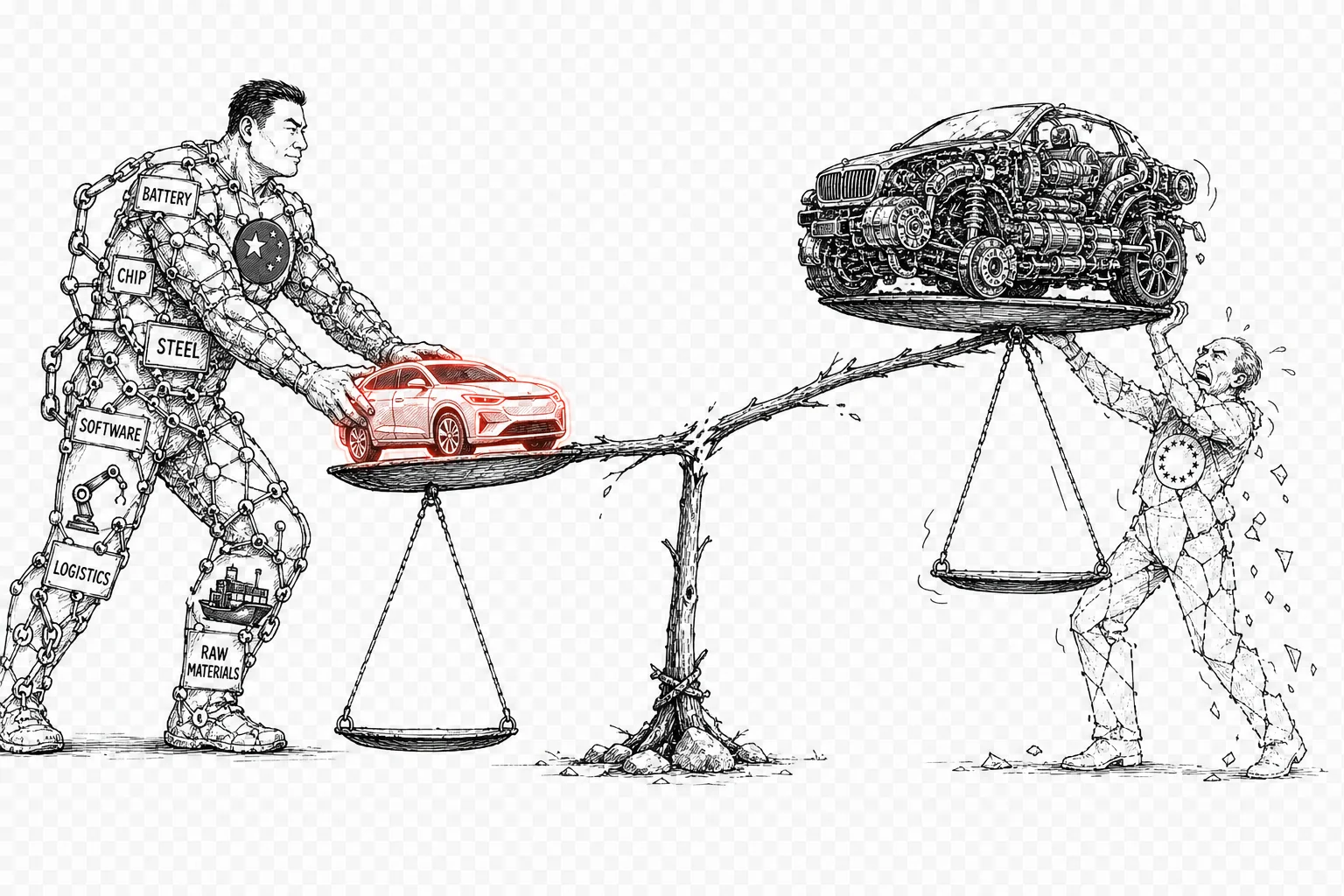
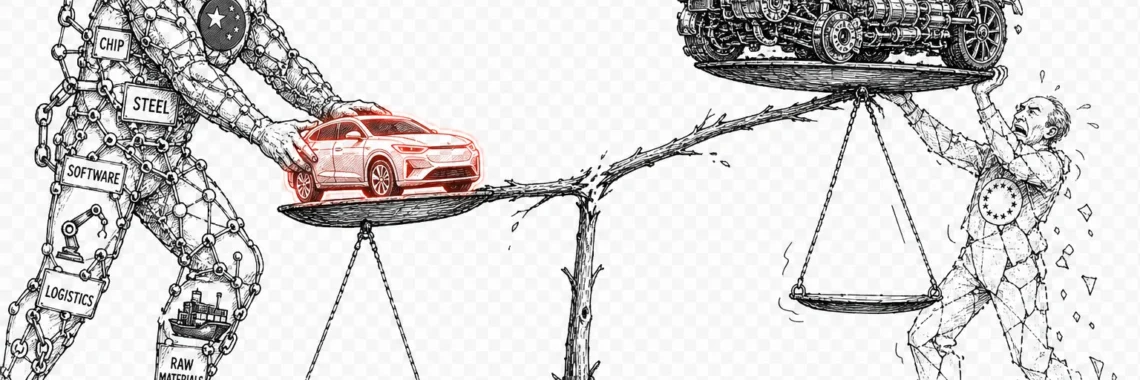
Strategic Implications of Chinese EV Expansion into the European Automotive Sector

The influx of Chinese electric vehicle manufacturers into Europe presents more than a challenge of factory utilization; it raises critical concerns about technological dependence, supply chain control, and the future industrial sovereignty of Europe’s automotive industry.

Chinese Electric Vehicle Manufacturers Reshape Brazil’s Automotive Industry Landscape

Chinese electric vehicle producers have rapidly emerged as dominant players in Brazil’s automotive market, challenging longstanding Western and Asian incumbents by leveraging advanced battery technology, vertical integration, and localized production strategies.

China’s Strategic Investment in Brazil: Securing Critical Minerals for the Global Energy Transition

China’s escalating investments in Brazil underscore a strategic pivot towards securing critical minerals essential for electric vehicles, renewable energy, and advanced electronics. This shift reflects a broader global competition to control resources pivotal to decarbonization and technological leadership.