


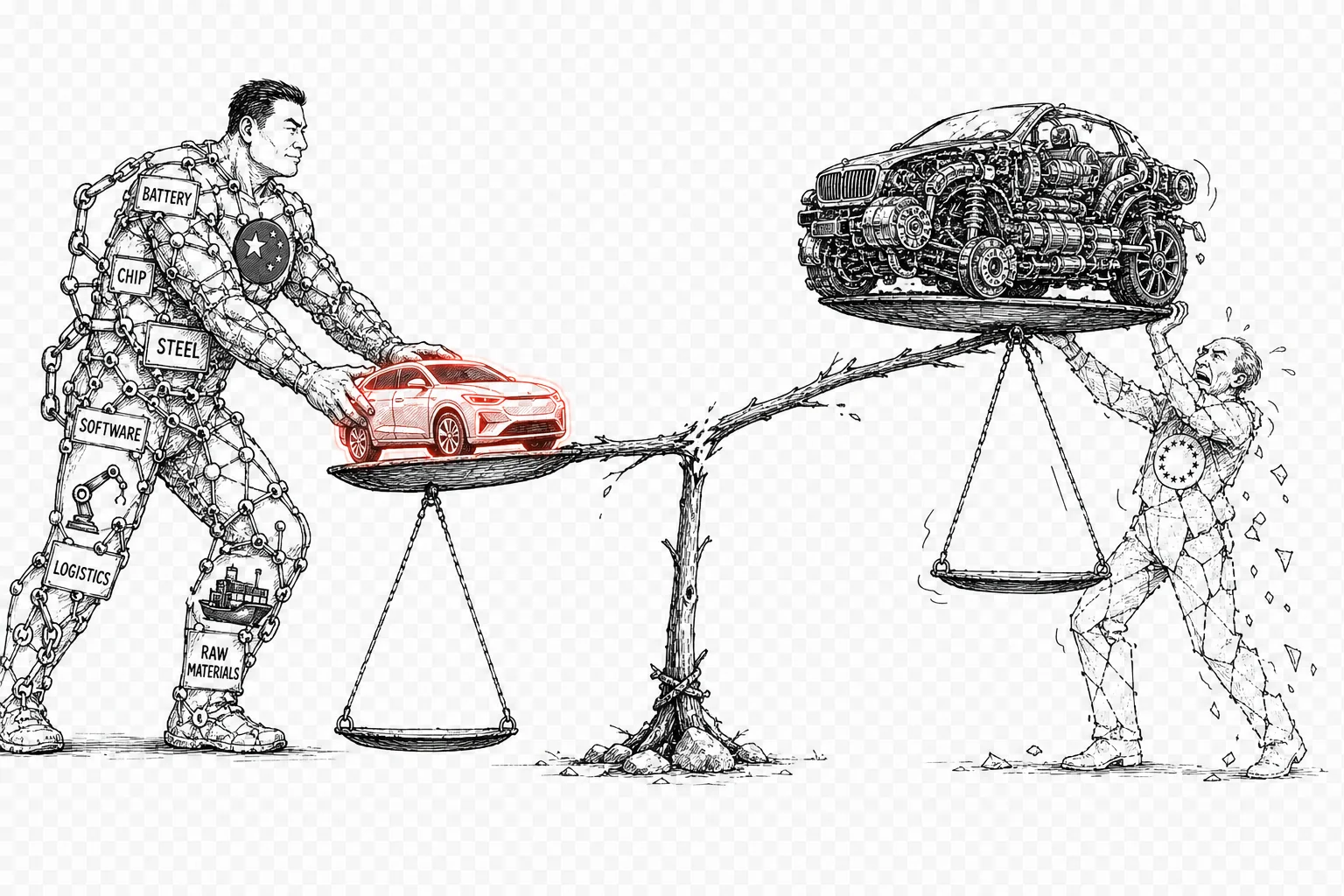
Context of the EU-China Hybrid Car Agreement
In a recent development aimed at easing mounting trade tensions, the European Union and China reached an accord in Beijing to impose an annual quota limiting Chinese hybrid vehicle exports to the EU market to 350,000 units. This agreement follows the EU’s imposition of tariffs on fully electric vehicles (EVs) imported from China starting in 2024, which had previously triggered a surge in hybrid car imports as manufacturers and consumers sought alternatives.
Implications of the Quota on Market Dynamics
The quota effectively curtails the anticipated volume of Chinese hybrid vehicles entering the European market, which was projected to reach approximately 800,000 units this year and could potentially surpass one million if left unrestricted. By halving the expected influx, the policy aims to protect European manufacturers from overwhelming competition. However, this restriction is likely to incentivize Chinese producers to pivot towards the premium hybrid segment, optimizing the value of their limited export allowance by focusing on higher-margin vehicles.
Challenges Beyond Hybrid Vehicles
Despite the quota’s focus on hybrids, Europe’s broader automotive challenge encompasses the entire electric vehicle spectrum. Historically, imports from Japanese and Korean automakers complemented Europe’s premium German brands without direct competition in the high-end market. In contrast, Chinese EV manufacturers are poised to introduce premium models at significantly lower price points, potentially offering superior technological features and performance. This shift threatens to disrupt Europe’s traditional market segmentation and pricing structures.
Strategic Considerations for European Automakers
The quota agreement, while providing a temporary regulatory buffer, does not address the underlying strategic vulnerabilities faced by European carmakers. The competitive pressure from China’s integrated supply chains and cost efficiencies underscores the necessity for European manufacturers to enhance their innovation capabilities and operational agility. Leveraging China’s supply chain strengths through strategic partnerships or reshoring initiatives could be pivotal in maintaining technological leadership and market relevance.
Long-Term Outlook
Ultimately, the EU-China hybrid car export quota represents a tactical measure within a complex and evolving trade relationship. It offers limited relief for European automakers in the face of accelerating Chinese advancements in electric vehicle technology and market penetration. Sustained competitiveness will depend on Europe’s capacity to innovate, scale production efficiently, and strategically engage with global supply networks to secure long-term industrial resilience.
Related Analysis
-
Xiaomi’s Strategic Entry into the European Electric Vehicle Market
-
EU-China Trade Dialogue Yields Progress on Hybrid Vehicle Market Access and Rare Earths
-
EU Adapts Trade Surveillance to Address Rising Chinese Imports Amid Escalating Tensions
-
German Industry’s Strategic Stockpiling of Rare Earths Amid EU-China Trade Tensions
Source:
South China Morning Post
Can you afford not to enter the Chinese market? Talk to us, we’ll help you succeed in China.
Talk to us →