


Emergence of the C919 as a Strategic Competitor
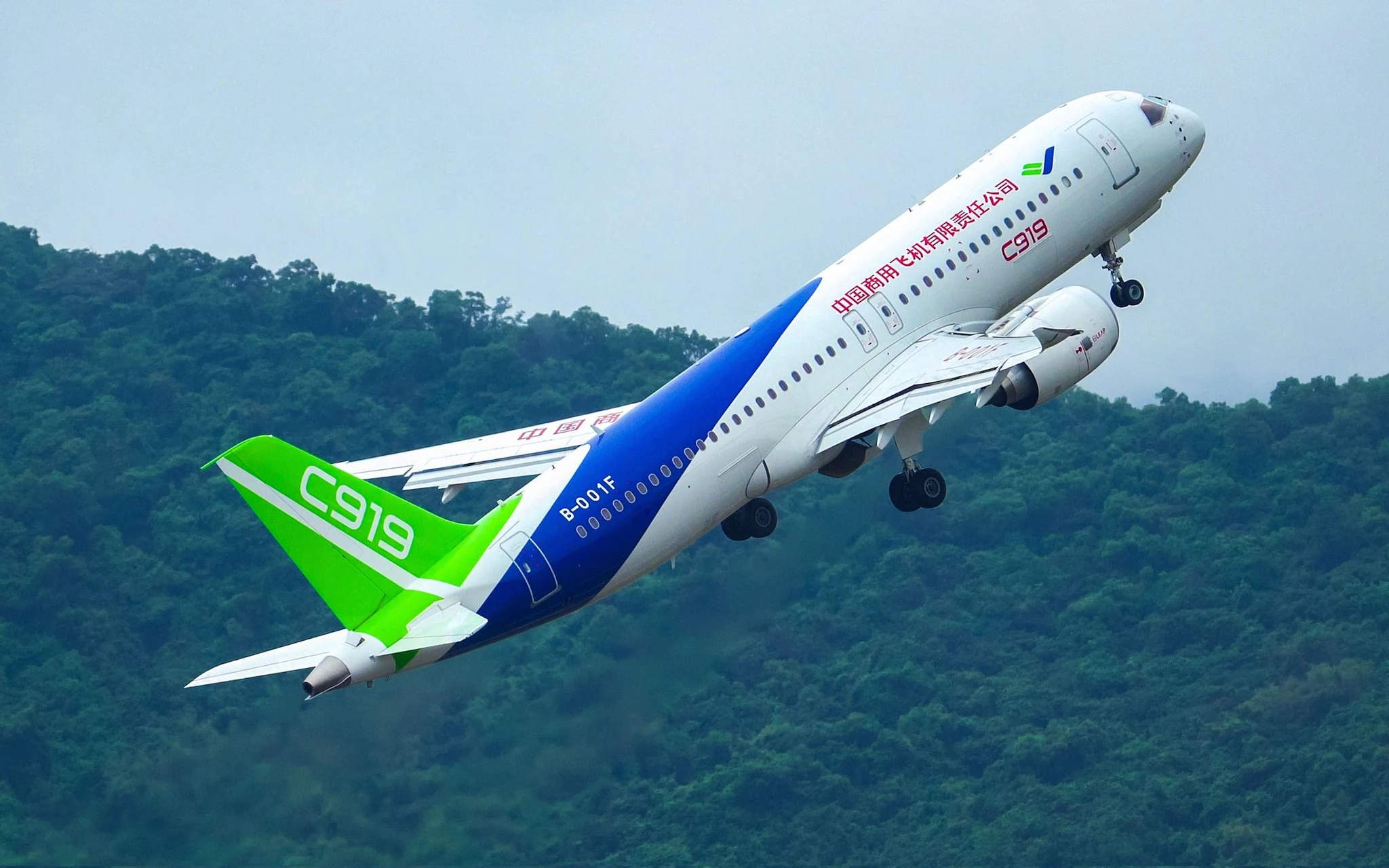
China’s state-owned aerospace manufacturer Comac has launched the C919, a mid-range commercial aircraft designed to rival established models from Airbus and Boeing. This development is emblematic of Beijing’s broader industrial strategy aimed at reducing reliance on foreign technology and fostering indigenous capabilities in sectors deemed strategically vital. The C919 represents a significant milestone in China’s ambitions to cultivate a competitive aerospace industry capable of challenging Western dominance.
Development Timeline and Market Deployment
Initiated in 2008, the C919 project underwent an extensive period of development, testing, and certification before entering commercial service in 2023. Since then, the aircraft has been integrated into the fleets of multiple Chinese carriers, with orders for several hundred units signaling strong domestic demand. This momentum underscores the program’s strategic importance within China’s broader economic and technological objectives.
Domestic Market Advantage and Global Aspirations
The sheer scale and rapid growth of China’s domestic aviation market provide Comac with a substantial competitive edge. The government’s preferential policies and support mechanisms offer the C919 a favorable position relative to Western manufacturers within China. While the initial focus remains on securing and expanding market share domestically, China’s long-term goal is to penetrate international markets and establish the C919 as a globally recognized alternative in the mid-range aircraft segment.
Certification Challenges and International Market Access
A critical obstacle for the C919’s international expansion lies in achieving certification from regulatory authorities in Europe and the United States. Without these approvals, exporting the aircraft to Western markets remains constrained. Nonetheless, there are emerging indications that some international airlines are evaluating the C919, particularly as they seek cost-effective alternatives amid rising prices from incumbent manufacturers.
Technical Competitiveness and Reliance on Western Components
Technically, the C919 offers comparable passenger capacity and range to its Airbus and Boeing counterparts. Comac is also developing variants tailored to different market segments, aiming to broaden its appeal. The manufacturer asserts that the aircraft’s operating costs will be competitive. However, the C919 continues to depend heavily on Western technology, with key components such as engines and avionics supplied by international partners. China is investing in domestic capabilities to replace these dependencies, but this transition requires significant time and capital.
Implications for Industrial Policy and Foreign Business Strategy
The C919 project exemplifies China’s strategic approach to industrial development: securing domestic market dominance, building technological expertise, and progressively engaging in global competition. For foreign companies operating in or entering the Chinese market, this underscores the necessity of understanding the political landscape and state-driven industrial initiatives. Successful engagement may depend on aligning with government priorities or providing complementary technologies and services. The evolution of the C919 highlights shifting dynamics in international industrial competition and the recalibration of global aerospace supply chains.
Can you afford not to expand abroad Talk to us, we’ll help you grow your business internationally.
Talk to us →