


Overview of China’s Space-Based Solar Power Project
China is pursuing an unprecedented energy project involving the construction of a vast solar power station positioned approximately 36,000 kilometers above Earth in geostationary orbit. This solar array, with an estimated width of one kilometer, is designed to capture sunlight that is roughly ten times more intense than sunlight on the Earth’s surface. The collected solar energy would then be transmitted to the ground via microwave beams, enabling continuous energy supply without the interruptions caused by weather or night cycles that affect terrestrial solar installations.
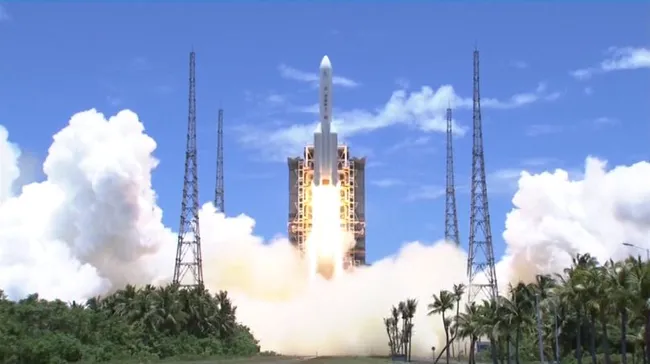
Led by Long Lehao, chief designer of the Long March rocket series, this initiative is often described as a “Three Gorges Dam in the sky,” reflecting its potential to generate energy on a scale comparable to the total oil reserves currently available on Earth. The project leverages China’s Long March-9 heavy-lift reusable rocket, capable of delivering payloads up to 150 tons to orbit, underscoring the country’s growing capabilities in space launch technology.
Strategic Significance and Technological Challenges
The scale and ambition of this space-based solar power (SBSP) project mark a critical milestone in China’s broader space and energy strategy. It aligns with China’s objective to establish a permanent international lunar research base by 2035, highlighting the dual-use nature of space infrastructure for both scientific and energy security purposes. The project demands cutting-edge innovations in photovoltaic materials optimized for space conditions, microwave transmission technology for efficient energy beaming, and sophisticated orbital logistics to assemble and maintain the solar array in geostationary orbit.
This initiative not only represents a potential revolution in renewable energy generation but also reflects China’s intent to secure technological leadership in emerging energy domains. The ability to deliver continuous, large-scale solar power from space could transform global energy markets by providing a stable and clean energy source that circumvents terrestrial limitations.
Implications for International Industry and Innovation
For industrial players, particularly in Germany and other technologically advanced economies, China’s SBSP project presents both challenges and opportunities. German companies, renowned for their precision engineering and expertise in aerospace and energy systems, stand to contribute critical components and technological know-how. Engagement in this domain could facilitate access to a rapidly evolving market and enable participation in the development of next-generation energy technologies.
Moreover, involvement in China’s space solar initiative offers a valuable vantage point to observe and learn from China’s approach to scaling complex infrastructure projects, navigating regulatory frameworks, and integrating advanced technologies. Such insights could inform strategic adjustments and innovation pathways in domestic markets, particularly as countries seek to enhance energy security and sustainability.
Broader Geopolitical and Economic Considerations
China’s pursuit of space-based solar power underscores the strategic competition in high-technology sectors and critical infrastructure development. As nations vie for technological dominance in renewable energy and space capabilities, projects like this become emblematic of broader geopolitical ambitions. The integration of energy innovation with space exploration initiatives signals a convergence of industrial policy and national security objectives.
For policymakers and industry leaders in the United States and allied countries, monitoring and understanding China’s advancements in SBSP is essential. It highlights the need for coordinated strategies to foster domestic innovation, secure supply chains, and maintain competitive advantages in energy and aerospace technologies critical to future economic and strategic leadership.
Can you afford not to expand abroad Talk to us, we’ll help you grow your business internationally.
Talk to us →