


Strategic Response to U.S. Trade Policy
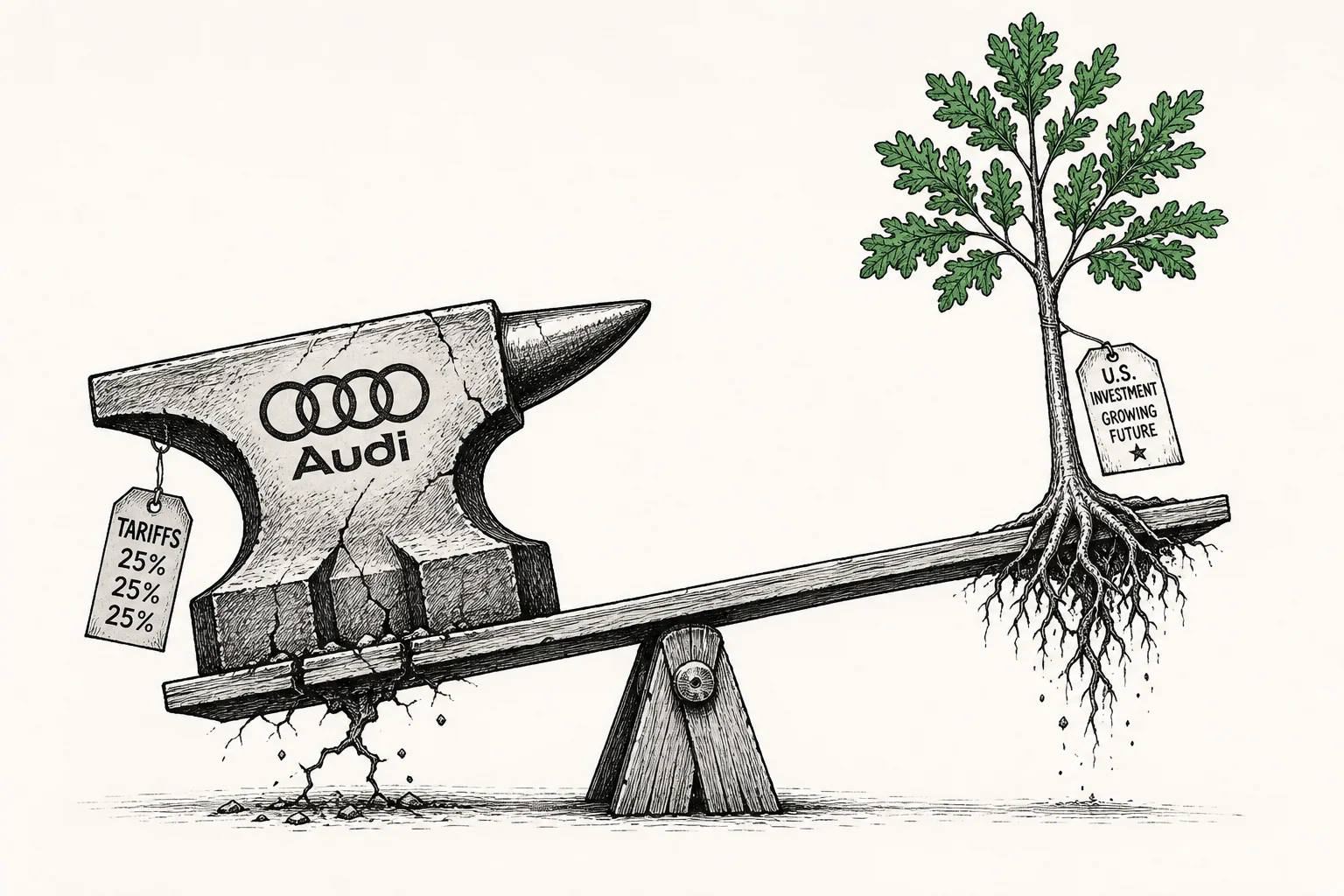
Audi, the German luxury automaker and subsidiary of Volkswagen, has announced plans to invest approximately $4 billion in constructing a new production facility in the state of Georgia, USA. This move represents a notable strategic adjustment in response to the elevated tariffs imposed on imported vehicles under the recent U.S. trade policy framework. Until now, Audi has imported all vehicles destined for the U.S. market from Europe and Mexico, incurring significant tariff-related costs that have impacted profitability and market performance.
Enhancing North American Production Capacity
The planned facility is projected to produce up to 200,000 SUVs annually, specifically targeting Audi’s premium models such as the Q7, Q8, and the forthcoming Q9. The investment aims to establish North America as Audi’s third principal production hub alongside Europe and China, thereby diversifying and strengthening its global manufacturing network. The initiative is expected to generate approximately 4,500 jobs in the region, with construction slated to commence in the near term and production anticipated to begin in the early 2030s.
Implications for U.S. Industrial and Trade Landscape
The announcement was publicly supported by U.S. President Donald Trump during a campaign event, positioning the investment as a validation of his administration’s tariff policies designed to incentivize domestic manufacturing. Audi’s CEO, Gernot Döllner, emphasized the company’s commitment to the American market through this long-term investment. The project also received political backing from local U.S. officials who attribute the decision to a more favorable regulatory environment and the easing of stringent fuel economy standards.
Challenges and Market Dynamics
Despite these developments, Audi’s U.S. sales have experienced a 16 percent decline in the current year, reflecting broader market challenges. The tariffs introduced last year imposed an estimated 1.2 billion euro cost burden on the company, underscoring the financial pressures influencing corporate strategies. Concurrently, other foreign automakers such as Honda and Hyundai are closely monitoring trade agreements like the USMCA to guide their investment decisions, highlighting the critical role of trade policy stability in shaping the automotive sector’s supply chains and production locations.
Future Outlook
While Audi advances its North American production capabilities, its German facility in Neckarsulm faces potential closure post-2030, indicating a strategic reallocation of industrial resources. This shift illustrates the broader trend of automotive companies recalibrating their global manufacturing footprints in response to evolving geopolitical and economic conditions, particularly in the context of U.S.-China strategic competition and the pursuit of supply chain resilience.
Related Analysis
-
Washington’s Strategic Reconfiguration of the North American Trade Framework Amid China Concerns
-
China’s BYD Explores Lithium Battery Manufacturing Expansion in Argentina Amid Strategic Investment Drive
Source:
Spiegel
Can you afford not to enter the US market? Talk to us, we’ll help you succeed in the United States.
Talk to us →