


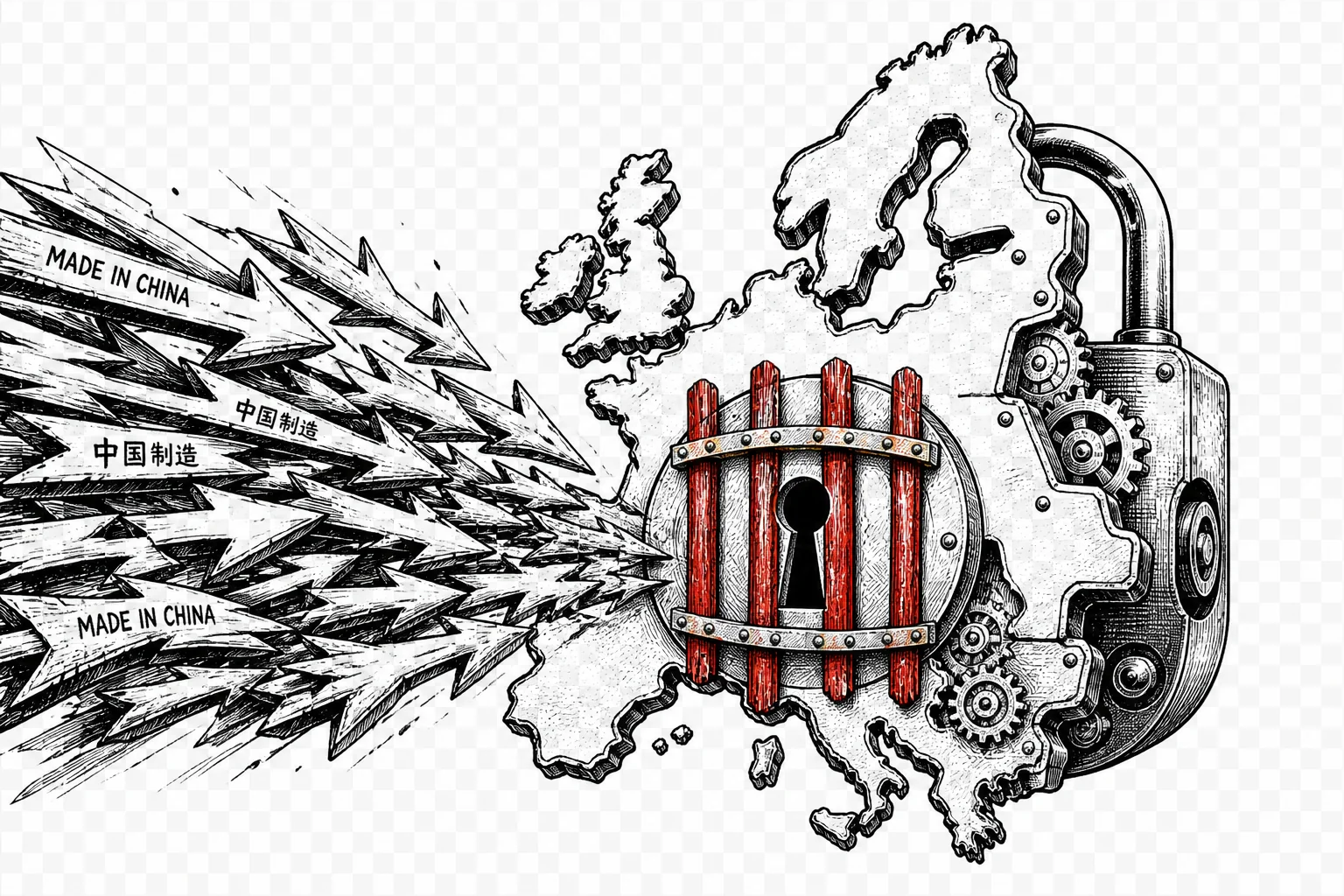
EU’s Strategic Response to Rising Chinese Imports
The European Union is actively considering the introduction of additional trade restrictions, including quotas and tariffs, aimed at curbing the influx of Chinese goods into its markets. This approach represents a shift towards more immediate protective measures to shield key European industries from sudden surges in imports, reflecting growing concerns over trade imbalances and competitive pressures.
Focus on the Plastics Sector
Among the industries under scrutiny, the plastics sector has been identified as a priority area where investigations into import surges are already well advanced. The EU’s trade leadership views this sector as emblematic of broader challenges posed by Chinese exports, which have the potential to disrupt domestic production and supply chains.
Safeguards as a Tactical Instrument
Maros Sefcovic, the European Union’s trade chief, emphasized the bloc’s readiness to deploy safeguard measures—emergency tools that allow for rapid intervention to limit imports—when swift action is necessary. These measures are considered a more expedient alternative to prolonged negotiations, enabling the EU to respond effectively to market disruptions while maintaining strategic leverage in ongoing trade discussions with China.
Balancing Negotiations and Protective Measures
While the EU remains committed to engaging in dialogue and negotiations with Chinese counterparts to resolve trade issues, officials acknowledge that in certain cases, direct protective actions such as tariffs or quotas may be more appropriate. The decision-making process involves prioritizing sectors and selecting the most efficient tools to preserve European industrial competitiveness and economic stability.
Implications for EU-China Trade Relations
This development signals a more assertive stance by the European Union in managing its trade relationship with China, reflecting broader geopolitical and economic considerations. By combining negotiation efforts with targeted trade defenses, the EU aims to safeguard its strategic industries while navigating the complexities of global supply chains and international trade dynamics.
Related Analysis
-
Europe’s Strategic Response to China’s Expanding Trade Influence Amid Rising Global Barriers
-
EU Adapts Trade Surveillance to Address Rising Chinese Imports Amid Escalating Tensions
-
German Industry’s Strategic Stockpiling of Rare Earths Amid EU-China Trade Tensions
-
Xiaomi’s Strategic Entry into the European Electric Vehicle Market
-
EU Prepares High-Level Engagement with China on Currency Valuation Amid Trade Concerns
Source:
South China Morning Post
Can you afford not to enter the Chinese market? Talk to us, we’ll help you succeed in China.
Talk to us →