


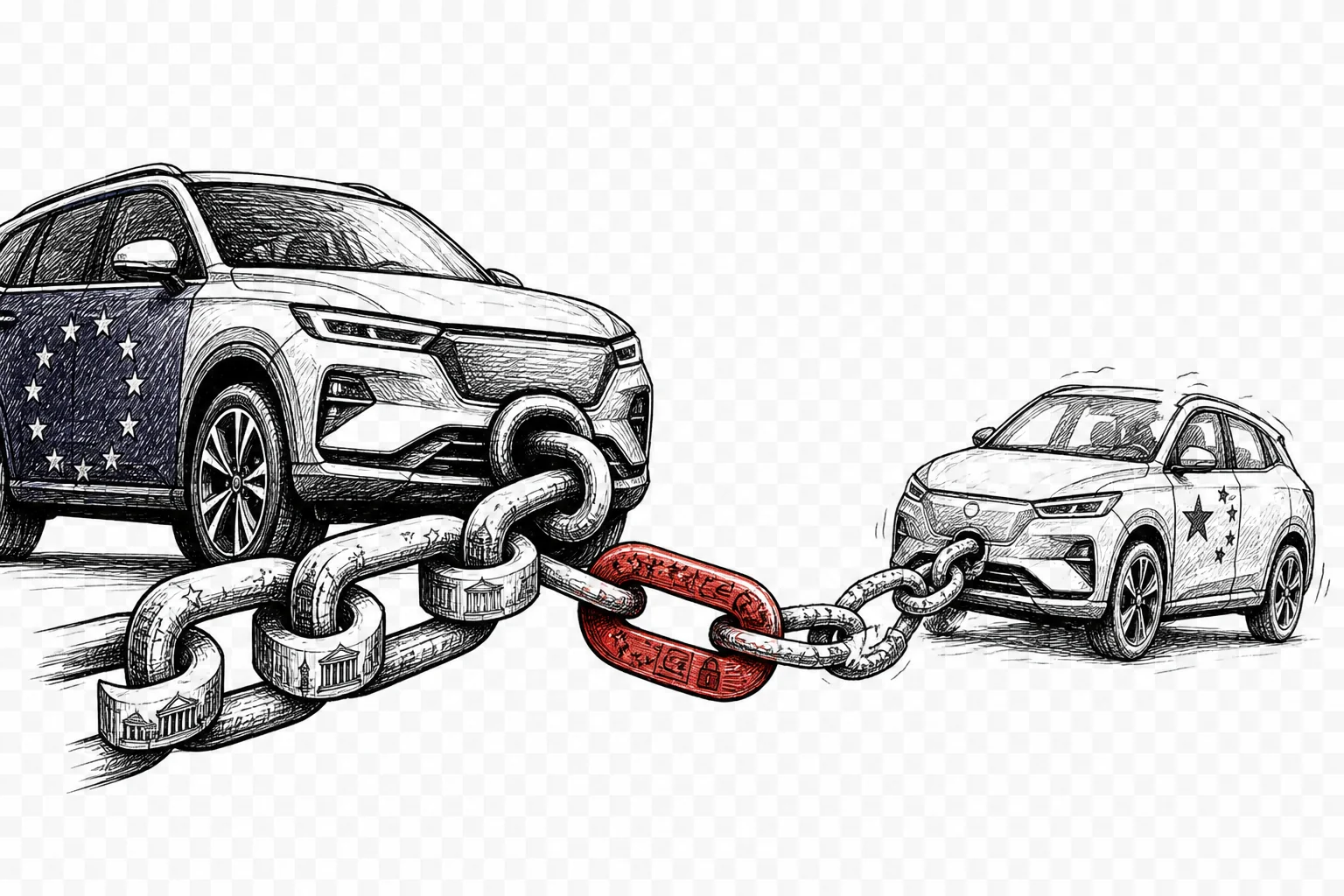
China’s Export Strategy Meets European Resistance
China’s expansive export growth has long exerted pressure on European industries, particularly automotive manufacturers, by flooding the market with competitively priced goods. This influx has contributed to eroding profit margins and job losses within Europe, generating increasing calls for protective measures. Historically, China maintained a firm stance against European trade counteractions, warning against retaliatory policies. However, recent developments indicate a strategic retreat by Beijing, as it acquiesces to an EU proposal to limit imports of hybrid vehicles, a sector where Chinese products have made significant inroads.
EU’s Protective Measures and Market Dynamics
The European Union’s agreement to cap hybrid vehicle imports at 350,000 units annually represents a significant policy shift aimed at safeguarding domestic manufacturers such as Volkswagen and Stellantis. This cap is projected to reduce Chinese hybrid vehicle imports by more than half initially, with a gradual increase over subsequent years. The move reflects a broader EU strategy to rebalance trade relations with China, moving beyond efforts to simply expand European exports to China, toward mechanisms that also restrict Chinese export volumes to the EU.
Strategic Importance of the European Market for China
Despite China’s record trade surplus, which reached $1.2 trillion last year, its economic model remains heavily dependent on exports to sustain growth amid domestic challenges. The European market, with its scale and purchasing power, has become increasingly vital, especially as U.S. protectionist policies limit China’s access to American consumers. European officials and analysts recognize this dynamic, viewing the continent as a critical leverage point in the ongoing global trade competition.
Internal European Shifts and Unified Trade Policy Development
Long-standing divisions within the EU on how to address Chinese competition have begun to narrow, evidenced by a recent Franco-German proposal advocating for enhanced trade defense instruments akin to the U.S. Section 301 tariffs. This proposal underscores a growing consensus for more robust tools to counteract perceived unfair trade practices and protect strategic industries. The EU is concurrently advancing legal frameworks to diversify supply chains and shield vulnerable sectors from potential economic retaliation, reflecting a comprehensive approach to trade resilience.
Broader Economic Context and Future Challenges
China’s export surge partly stems from internal economic weaknesses, including subdued domestic consumption and industrial overcapacity extending into advanced manufacturing sectors that directly compete with European industries. While the hybrid vehicle import cap may temporarily ease tensions, EU officials anticipate the adoption of additional measures targeting other sectors affected by low-cost Chinese imports. Maintaining European unity will be critical, particularly in light of upcoming elections and potential political shifts. Furthermore, any aggressive Chinese response could test this cohesion, complicating the EU’s strategic trade posture.
Related Analysis
-
EU Adapts Trade Surveillance to Address Rising Chinese Imports Amid Escalating Tensions
-
China’s Evolving Role in Global Electronics: From Manufacturing Hub to Innovation Headquarters
-
Assessing Financial Market Dominance: United States Versus China Amid Rising Trade Tensions
-
EU Prepares High-Level Engagement with China on Currency Valuation Amid Trade Concerns
-
China Signals Retaliation Amid Rising EU Trade Measures in Strategic Economic Rivalry
Source:
WSJ
Can you afford not to enter the Chinese market? Talk to us, we’ll help you succeed in China.
Talk to us →