


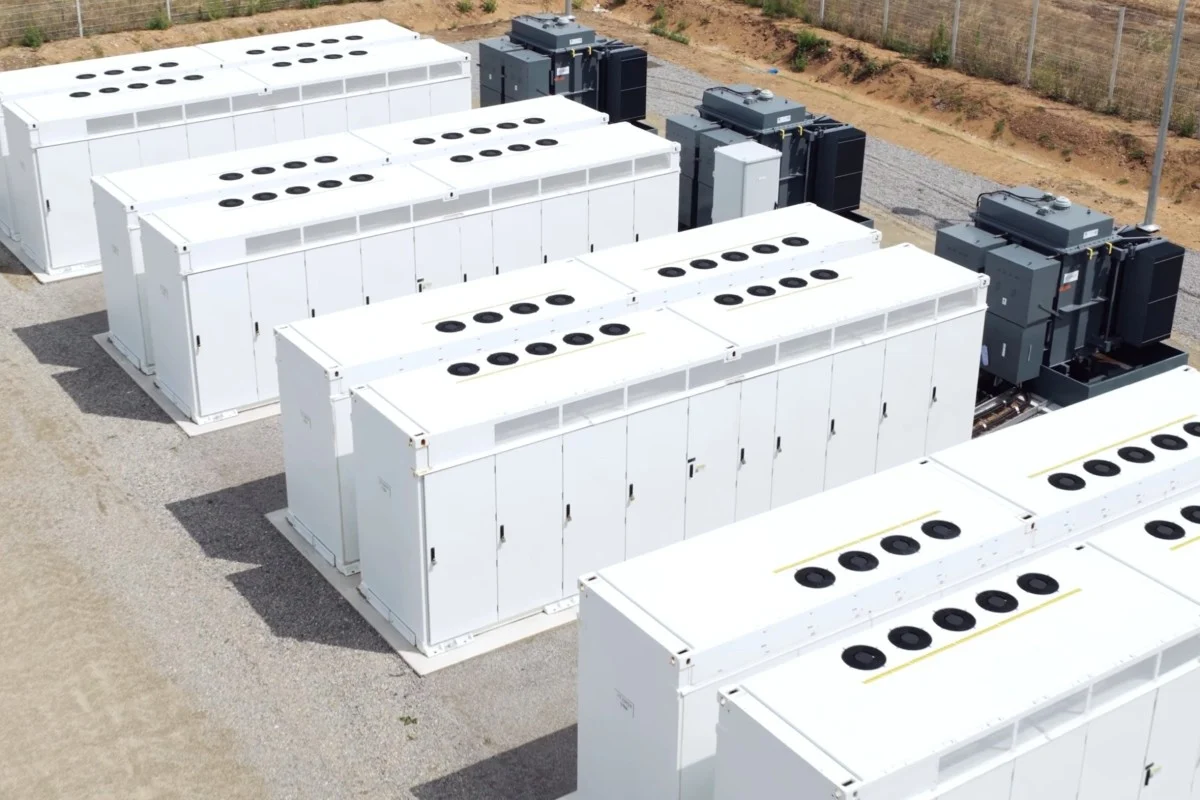
Introduction to China’s Iron Flow Battery Innovation
A recent advancement in battery technology emerging from China presents a significant development in the field of energy storage. The innovation centers on an iron-based flow battery that reportedly maintains stable performance over 6,000 charge and discharge cycles without measurable capacity degradation. This endurance translates to a lifespan exceeding a decade under daily operational conditions, a benchmark that is notably high within the domain of stationary energy storage solutions.
Technical Distinctions and Advantages
This iron flow battery diverges fundamentally from traditional lithium-ion systems. Unlike fixed electrode storage in lithium-ion batteries, flow batteries store energy in liquid electrolytes that circulate through the system. This design allows for independent scaling of power output and storage capacity, a critical feature for large-scale energy applications. The choice of iron as the active material is strategic: iron is abundant, cost-effective, and globally accessible, offering a substantial reduction in raw material expenses compared to lithium-based technologies. Furthermore, iron-based flow batteries utilize aqueous electrolytes, enhancing safety by mitigating fire risks associated with organic solvents used in lithium-ion batteries.
Addressing Historical Challenges
Historically, flow batteries have faced challenges related to chemical instability, including material degradation, side reactions, and membrane crossover. The new Chinese development tackles these issues through an engineered molecular electrolyte structure that suppresses degradation and minimizes material loss. While these results have been demonstrated under controlled laboratory conditions, significant questions remain about the technology’s performance in real-world, large-scale deployments where thermal fluctuations and system inefficiencies can impact longevity and reliability.
Strategic Implications for the Global Energy Landscape
The relevance of this technological advance extends beyond its immediate performance metrics. The global transition to renewable energy sources such as wind and solar introduces volatility in power generation, necessitating durable and cost-effective storage solutions for grid stability. Iron flow batteries, if scalable and economically viable, could play a pivotal role in enabling long-duration energy storage, spanning hours to days. This capability would fundamentally alter the economics and operational dynamics of energy systems worldwide.
Geopolitical and Industrial Considerations
China’s pursuit of control over critical technologies is a well-documented strategic priority. While Western markets predominantly rely on lithium-ion batteries, which involve complex supply chains and resource dependencies, the development of an iron-based alternative could reduce these vulnerabilities. This approach mirrors China’s broader industrial strategy observed in sectors such as semiconductors, solar power, and electric vehicles, characterized by early investment, aggressive scaling, and the establishment of indigenous technological pathways. The iron flow battery initiative fits within this paradigm, potentially reshaping cost structures and competitive dynamics in energy infrastructure. Even partial realization of the projected cost advantages could exert pressure on existing technologies, as energy infrastructure decisions often hinge on long-term operational expenses rather than marginal efficiency gains.
Conclusion: Industrial Scale and Technological Control as Determinants of Future Energy Systems
For industry stakeholders, the emergence of iron flow battery technology underscores the importance of not only innovation but also the capacity for industrial-scale deployment and geopolitical positioning. While the laboratory success of this battery technology is promising, its broader significance lies in who ultimately controls and scales the technologies underpinning future energy systems. The strategic competition to dominate these critical technologies will shape the global energy and industrial order in the years to come.
Can you afford not to expand abroad Talk to us, we’ll help you grow your business internationally.
Talk to us →