


Decades-Long Negotiations Reach a Decisive Phase
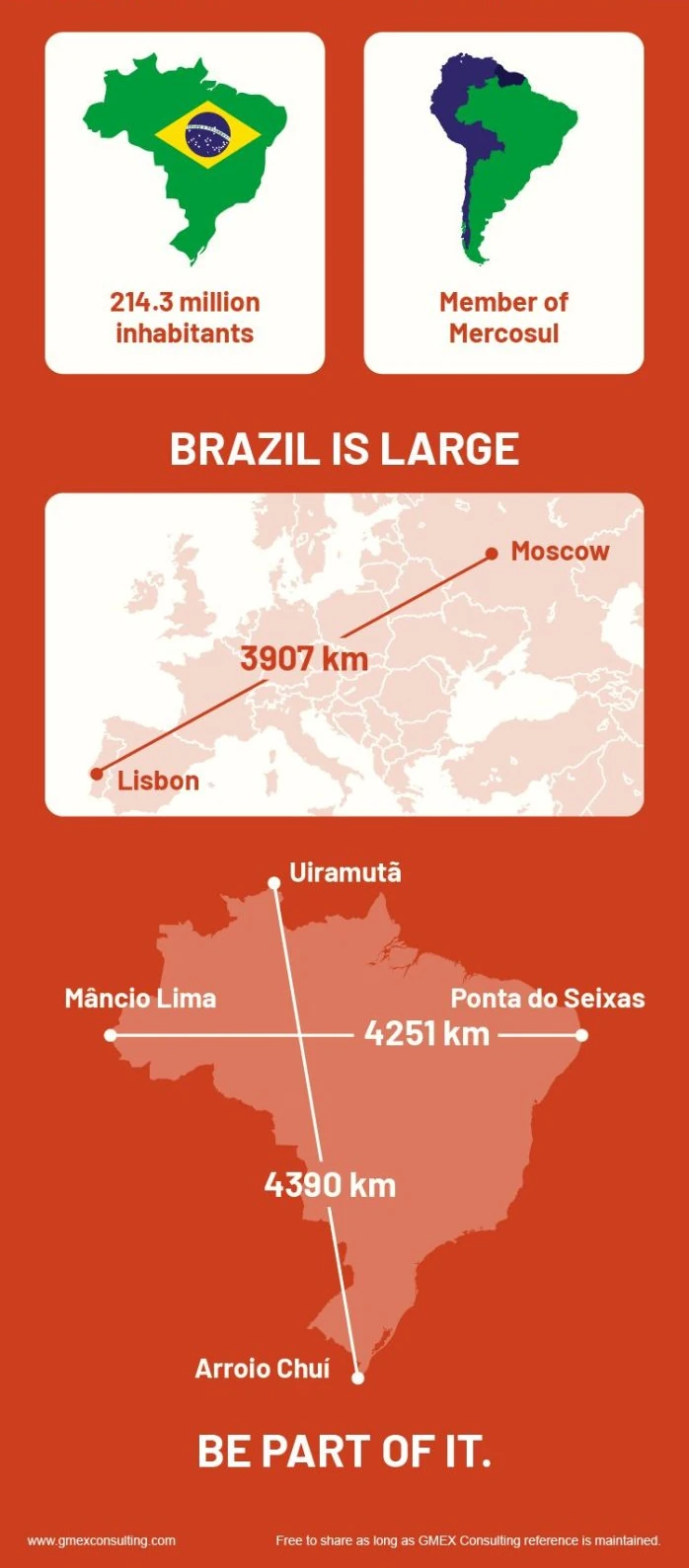
The proposed free trade agreement between the European Union and Mercosur, comprising Argentina, Brazil, Paraguay, and Uruguay, is approaching a potential conclusion after a quarter-century of deliberations. Scheduled for a possible signing ceremony in Brazil on December 20, 2025, the deal aims to establish a transatlantic free trade zone, promising expanded market access and economic integration between the two blocs. However, the accord continues to face substantial resistance, particularly from within the EU.
Internal EU Divisions Center on Agricultural Concerns
Opposition to the agreement is most pronounced in the agricultural sector, where several EU member states express apprehension about increased competition from Mercosur imports. France has long spearheaded this resistance, advocating for robust protective measures and reciprocal standards to safeguard European farmers. Other countries including Poland, Ireland, Hungary, the Netherlands, and Austria share these concerns, while Belgium has opted for neutrality. Despite this coalition, the opposition lacks the demographic threshold to block the agreement outright.
Italy occupies a pivotal role in the negotiations. As the EU’s second-largest exporter to Mercosur, Italy stands to gain significantly from enhanced industrial market access. Nonetheless, Italian political leadership remains divided. Prime Minister Giorgia Meloni, allied with Argentina’s President Milei, has yet to adopt a definitive stance, while the Italian agriculture ministry calls for protective safeguards. Recent guarantees proposed by the European Commission in October may sway Italy towards endorsement, but uncertainty persists.
European Parliament’s Role Adds Complexity to Ratification
The European Parliament is scheduled to vote on December 16, 2025, on strengthened safeguard clauses, including reciprocity provisions. This vote is critical, as parliamentary approval is necessary to finalize the agreement. Following this, negotiations with the European Council will determine the timeline for ratification. Although expedited procedures could facilitate timely member state consent ahead of the planned signing, the Parliament’s composition—with fragmented support among various political factions—introduces additional risks to the deal’s passage in 2026.
Geopolitical Stakes and Mercosur’s Waning Patience
Proponents within the European Commission emphasize the strategic importance of the agreement, warning that failure to ratify could result in geopolitical setbacks, particularly in light of strained transatlantic relations with the United States. From the Mercosur perspective, frustration is mounting after decades of protracted negotiations, with some diplomats signaling a readiness to abandon the talks if progress is not achieved imminently.
France continues to call for postponing the vote, citing unmet conditions and unresolved issues. While member state voting is anticipated in the coming week, and the Parliament’s decision looms shortly thereafter, the certainty of the December 20 signing remains in question. The outcome will significantly influence EU trade policy, economic ties with Latin America, and the broader strategic balance in global commerce.
Can you afford not to expand abroad Talk to us, we’ll help you grow your business internationally.
Talk to us →