


Introduction to Privately Held Unicorns
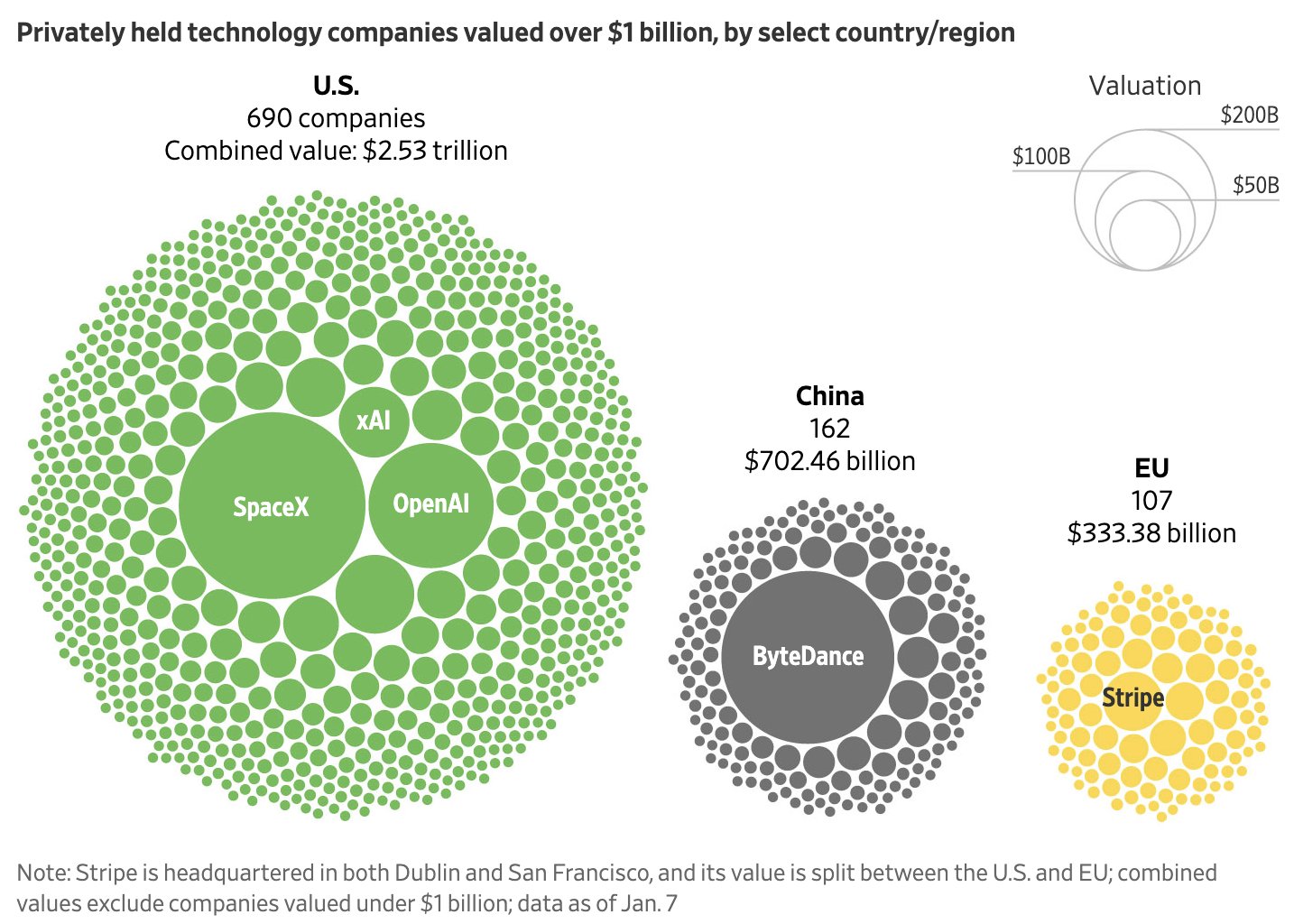
Privately held companies that have achieved valuations exceeding one billion US dollars, commonly referred to as unicorns, represent a critical segment of the global economy. These firms, often at the forefront of technological innovation and market disruption, contribute significantly to regional economic development and competitiveness. Their geographic distribution offers valuable insights into the evolving landscape of global industry and innovation.
Regional Concentrations and Economic Implications
The concentration of unicorns varies markedly across regions, reflecting differing levels of market maturity, access to capital, and innovation ecosystems. North America, particularly the United States, continues to lead with a substantial share of these high-value private enterprises, underpinned by a robust venture capital environment and a culture of entrepreneurship. Asia, led by China and increasingly India, has seen rapid growth in the number of unicorns, driven by expanding digital economies and large consumer markets. Europe maintains a growing presence, with hubs in countries such as Germany, the United Kingdom, and France fostering innovation through supportive regulatory frameworks and investment initiatives.
Strategic Considerations for Market Engagement
For businesses and investors aiming to engage with or monitor these markets, understanding the regional distribution of unicorns is essential. This knowledge enables the identification of emerging technological trends, potential partnership opportunities, and competitive dynamics. Moreover, it informs strategic decisions on resource allocation, market entry, and innovation collaboration, all of which are critical in maintaining technological leadership and economic resilience.
Conclusion
Privately held unicorn companies are more than just high-value startups; they are strategic assets that shape the future of industries and economies worldwide. Their regional distribution reflects broader geopolitical and economic trends that stakeholders must analyze to sustain competitive advantage. Comprehensive market observation and engagement strategies are necessary to navigate this complex landscape effectively.
Can you afford not to expand abroad Talk to us, we’ll help you grow your business internationally.
Talk to us →