


ecord-Breaking Throughput at the Port of Los Angeles

In a historic milestone, the Port of Los Angeles has handled more than five million container units over the last five months, marking its most productive period in 118 years. This surge culminated in October registering as the port’s second-busiest month on record, reflecting robust import activity driven by resilient consumer demand and increased factory imports of parts and components.
Impact of Tariff Policy on Trade Flows
The recent cargo surge correlates strongly with developments in U.S. tariff policies. The Supreme Court’s February ruling on Section 112 tariffs, which had been temporarily imposed for 150 days, prompted importers to accelerate inventory inflows ahead of the tariff window’s closure. Subsequently, the reinstatement of Section 301 tariffs with greater predictability allowed shippers to better anticipate landed costs, fostering renewed import volume growth after a period of uncertainty.
China’s Resurgence in Market Share
China has emerged as the principal beneficiary of this policy clarity, with Chinese cargo volumes at the Port of Los Angeles expanding significantly since the Supreme Court decision. The country’s entrenched supply chain advantages—including nearly four decades of development, rapid 13-day maritime transit from Shanghai to Los Angeles, and a high frequency of daily rail departures from the LA Basin—have solidified its competitive position. These structural factors present formidable barriers for other Asian exporters seeking to compete on equal footing.
Infrastructure Constraints and Rail Congestion
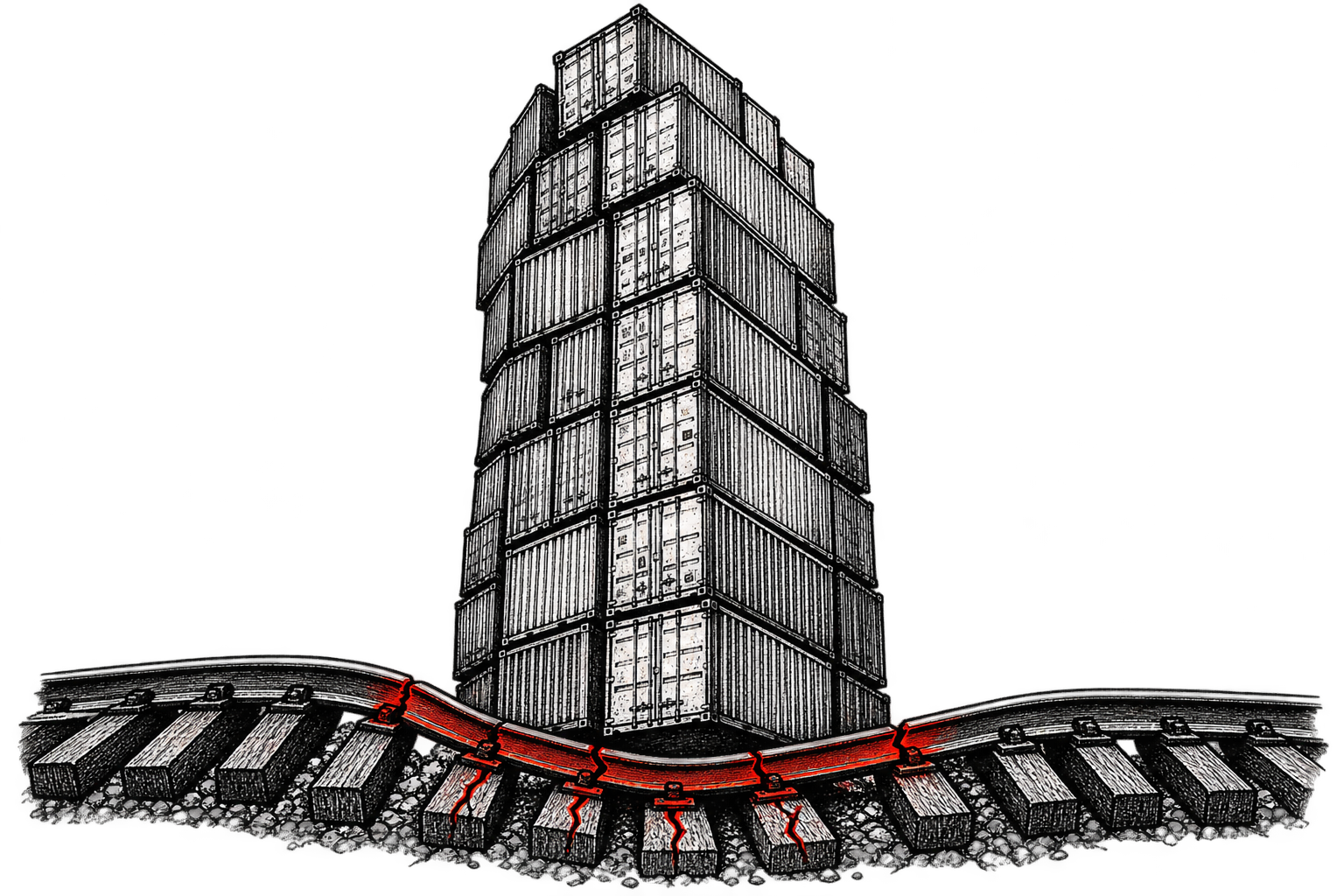
Despite record imports, the port’s rail network is experiencing substantial congestion. Approximately 9,500 containers have been delayed for nine days or more within the BNSF and Phoenix Marine Terminal corridors. This bottleneck arises from an imbalance between import volumes and the repositioning of empty containers and export shipments, straining rail resources including locomotives, crews, and railcars. The port has repeatedly surpassed 500,000 TEUs in monthly imports, a threshold rarely achieved by U.S. ports, yet export and empty container flows have not scaled correspondingly to alleviate pressure on the rail system.
Declining Agricultural Exports and Trade Imbalances
American agricultural exports, a vital component of outbound cargo, have been in decline since 2016 following the imposition of tariffs on key commodities such as soybeans, wheat, and nuts. With the U.S. domestic market consuming only about one-third of farm production, the erosion of Chinese demand has redirected buyers toward competitors in Brazil and Australia. This shift has exacerbated rail network imbalances by reducing export backhaul volumes that would otherwise help optimize rail utilization and operational efficiency.
Policy Implications and Calls for Stability
Executive Director Gene Seroka emphasized the importance of stable and long-term trade policies to support balanced supply chains and export growth. He noted that although U.S.-China presidential engagements have increased, resulting in unprecedented diplomatic interaction, significant challenges remain. Tariff-induced distortions have elevated costs for metals and other materials, with domestic producers passing price increases to importers and consumers. Seroka advocates for extended planning horizons and deeper industry expertise in policymaking to mitigate reactive cycles and foster a more predictable trade environment.
Related Analysis
-
Port of Los Angeles Achieves Record Quarter Amid Trade Uncertainty and Supply Chain Shifts
-
China-Brazil Trade Expansion Driven by Electric Vehicle Growth and Strategic Energy Shifts
Source:
FreightWaves
Can you afford not to expand abroad Talk to us, we’ll help you grow your business internationally.
Talk to us →