


Chinese Automotive Expansion and Its Implications for Germany
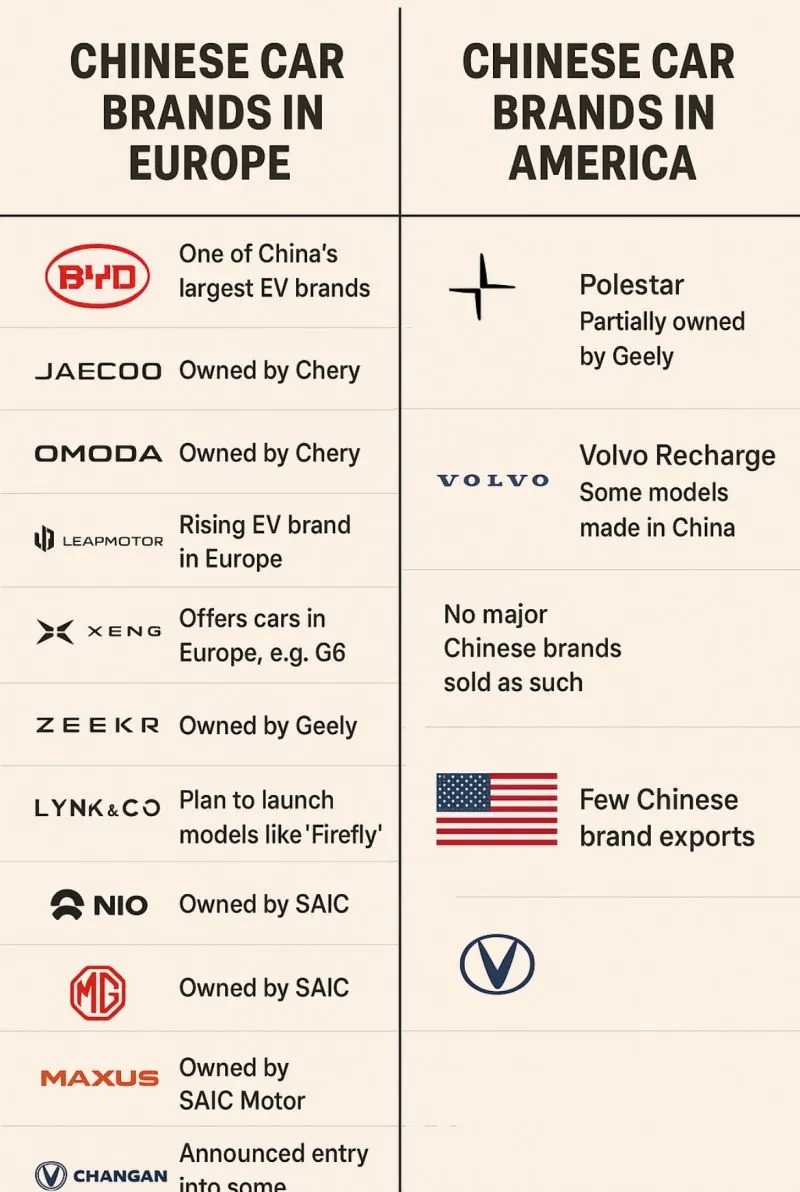
The European automotive market is witnessing an assertive entry by Chinese car manufacturers, creating a complex strategic environment for Germany’s automotive sector. This incursion is perceived as an existential challenge to the established German carmakers, yet it simultaneously presents a potential avenue to revitalize underutilized production facilities, preserve jobs, and sustain supplier networks.
Political Engagement and Industry Response
The issue has gained traction at the political level, exemplified by statements from Olaf Lies, the Minister-President of Lower Saxony. Lies advocates for a proactive approach, suggesting that rather than passively accepting increasing imports of Chinese vehicles, German manufacturers such as Volkswagen (VW) should explore producing these vehicles domestically through partnerships or joint ventures. This reflects a broader recognition that the industry must adapt to shifting global dynamics.
Volkswagen’s Production Challenges and Strategic Options
Volkswagen faces significant restructuring pressures, planning to reduce its workforce by over 35,000 employees and scale back production capacities by 2030. The Zwickau plant, once a flagship for electric mobility with models like the ID.3, Audi Q4 e-tron, and Cupra Born, is under particular strain, with plans to discontinue at least one production line. This contraction underscores the urgency of identifying sustainable operational models.
Regional Perspectives on Collaboration
Dirk Panter, Saxony’s Minister of Economic Affairs, views collaboration with Chinese partners as a strategic opportunity to secure the future of plants such as Zwickau. This perspective aligns with broader trends within the industry, where pragmatism is increasingly favored over protectionism. Similarly, Stellantis has advanced this approach by initiating production of the Leapmotor B10 model in its Spanish facility and developing a new battery-electric Opel C-SUV incorporating technology from its Chinese partner.
Benefits and Risks of Sino-German Automotive Partnerships
For German manufacturing sites, cooperation with Chinese automakers offers the prospect of improved plant utilization and job preservation. Moreover, German suppliers and engineers stand to benefit from the accelerated innovation cycles and cost efficiencies that characterize Chinese electric vehicle producers. However, these partnerships entail significant risks, including potential erosion of proprietary know-how, increased dependency on Chinese firms, and the dilution of the “Made in Germany” brand’s perceived quality. Labor relations and union dynamics also present potential sources of conflict in such arrangements.
Strategic Adaptation in a Changing Global Market
The era in which Germany’s automotive industry could unilaterally dominate the global market has concluded. The sector’s ability to navigate the coming decade will depend heavily on its strategic response to Chinese competition. Embracing selective collaboration may be essential for maintaining industrial scale and technological relevance amid the accelerating transition to electric mobility.
Conclusion: Navigating a Complex Industrial Transition
Germany’s automotive sector stands at a strategic crossroads where balancing national industrial interests with the realities of global competition is imperative. The integration of Chinese automotive capabilities into German manufacturing ecosystems could represent both a challenge to traditional industry paradigms and a pragmatic adaptation to ensure long-term viability. The choices made now will shape the future of Germany’s role in the evolving global automotive landscape.
Can you afford not to expand abroad Talk to us, we’ll help you grow your business internationally.
Talk to us →