


Introduction of Cruise Missile Manufacturing to German Soil
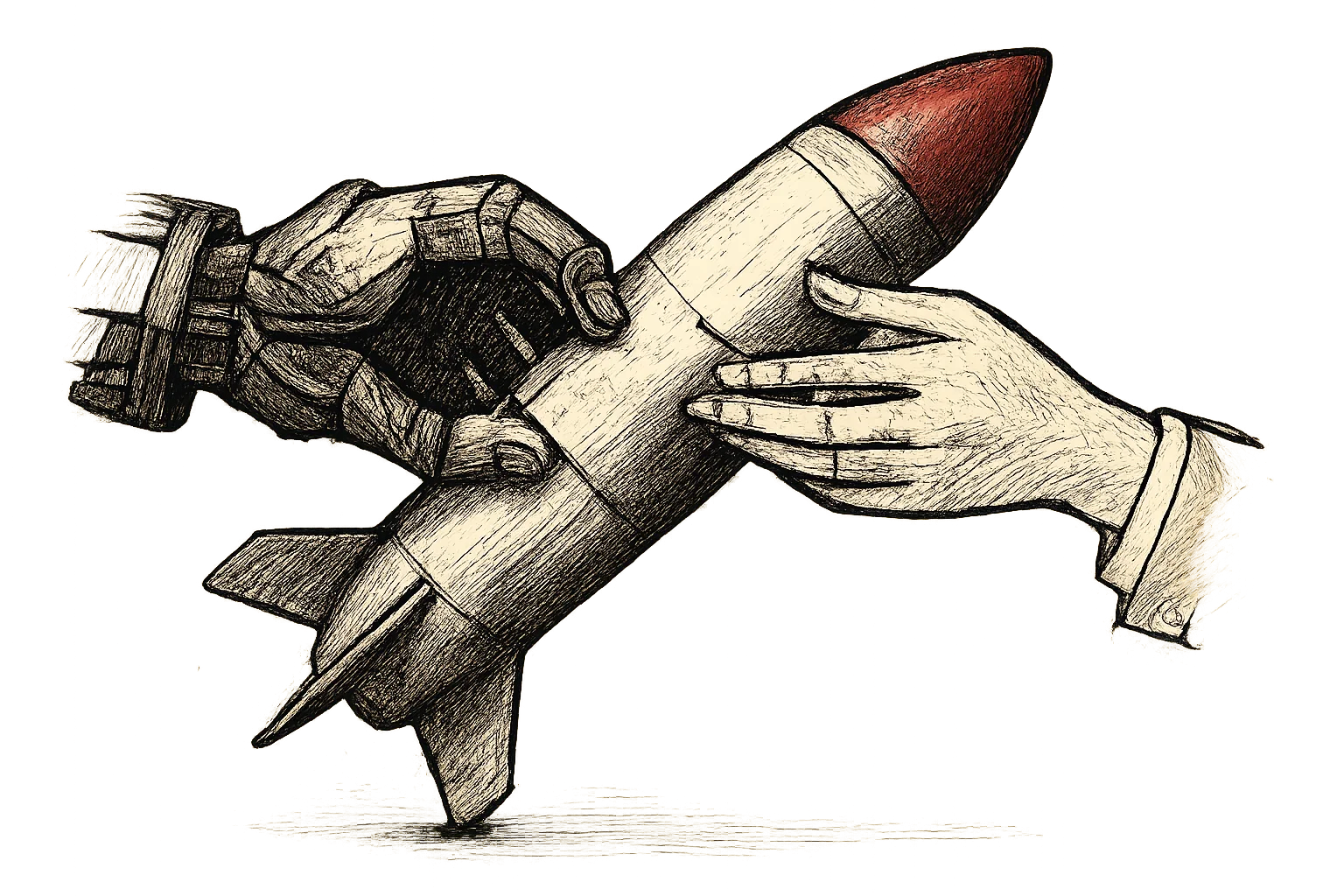
The establishment of cruise missile production by the American start-up Covenant in Leipzig represents a landmark shift in European defense manufacturing. Historically, while cruise missiles were deployed in Germany during the Cold War, their production remained outside European territory. Covenant’s initiative marks the first instance of American-designed cruise missiles being manufactured on German soil, reflecting evolving strategic imperatives within NATO and transatlantic defense cooperation.
Strategic Context and Historical Legacy
The term “cruise missiles” carries significant historical weight in Germany, linked to the NATO Double-Track Decision of 1979 which authorized the deployment of American nuclear-armed cruise missiles and Pershing II ballistic missiles in Europe. These deployments were central to Cold War deterrence but also sparked widespread public opposition. Post-Cold War, European missile production was limited to platforms such as the Taurus missile, developed by MBDA, while American manufacturers refrained from European production. Covenant’s Leipzig facility disrupts this longstanding separation.
Rapid Development and Industrial Scale-Up
Covenant’s swift progression from founding in September 2024 to commencing production by early 2025 underscores a remarkable acceleration in defense industrial capability development. The company aims to produce 1,000 units of its “Anthem” cruise missile in its first year, scaling to 5,000 units by the following year, with a workforce of approximately 250 employees. This scale and speed reflect an urgent demand for new long-range precision strike capabilities within European defense frameworks.
Addressing Capability Gaps in European Defense
The ongoing conflict in Ukraine has exposed critical deficiencies in European military capabilities, particularly in long-range stand-off weapons. Germany’s existing Taurus missile, with a range of approximately 500 kilometers, falls short of current operational requirements and lacks mass production capacity. While the Bundeswehr has procured American Tomahawk missiles, their high cost and limited availability constrain widespread deployment. Covenant’s Anthem missile is positioned as a cost-effective, rapidly deployable alternative, designed for ground launch with a range slightly below Tomahawk standards but optimized for mass production and affordability.
Transatlantic Investment and Industrial Sovereignty Considerations
The project is financially backed by prominent US venture capital firms, including Peter Thiel’s Founders Fund and Andreessen Horowitz, both known for their associations with former President Donald Trump. Despite this, Covenant emphasizes its dual identity as both a German and American enterprise, establishing a German GmbH and sourcing 95 percent of components from Europe to meet local procurement requirements and assuage sovereignty concerns. This hybrid structure aims to balance American innovation and capital with European industrial sovereignty and supply chain resilience.
Political and Security Implications
Covenant’s entry into the European defense market occurs amid heightened scrutiny of foreign influence in critical defense sectors. German defense authorities have previously expressed concerns regarding investor influence in domestic defense start-ups, as seen in debates over kamikaze drone procurement. Covenant addresses these concerns by delineating clear governance structures that limit investor involvement in operational decisions. The company’s strategic narrative focuses on delivering sovereign, affordable defense solutions to European NATO members, aligning with broader efforts to enhance European military autonomy while maintaining transatlantic interoperability.
Outlook and Challenges
As Covenant prepares to submit procurement proposals to the German Bundestag’s budget committee, it faces potential political and public resistance, including from local anti-militarization groups. The company’s success will depend on its ability to demonstrate economic benefits to the local community and to navigate the complex interplay of industrial policy, national security interests, and transatlantic relations. Covenant’s project exemplifies the evolving landscape of defense industrial collaboration, where rapid innovation, strategic investment, and geopolitical considerations intersect to shape the future of European defense capabilities.
Related Analysis
Source:
Spiegel
Can you afford not to enter the German market? Talk to us, we’ll help you succeed in Germany.
Talk to us →