


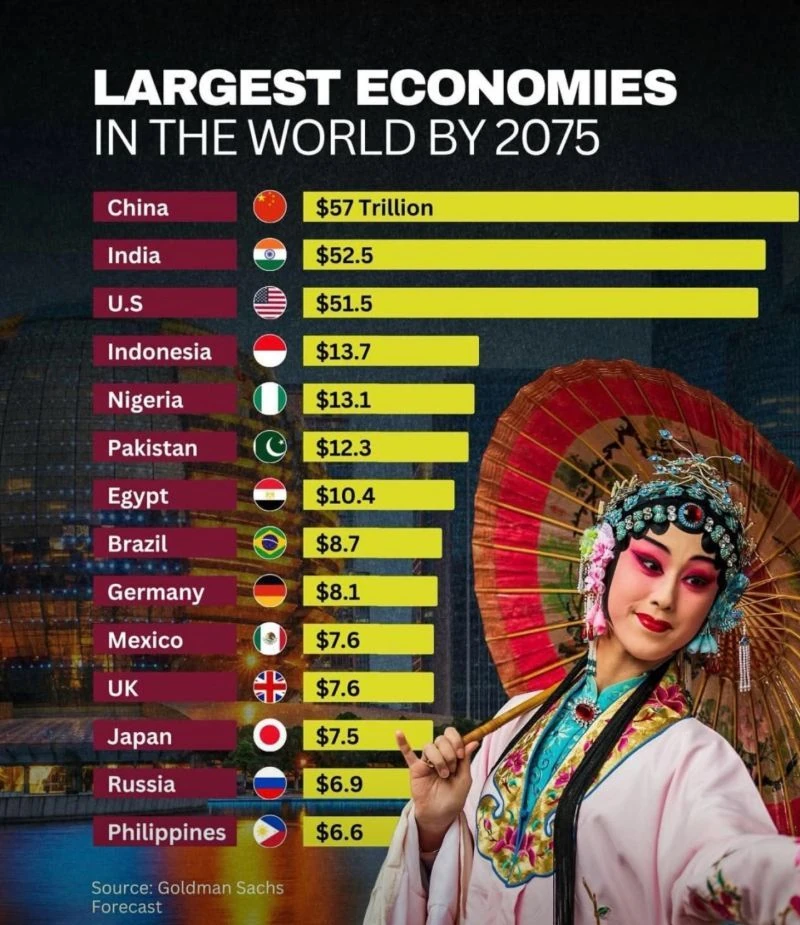
Anticipating the Economic Landscape of 2075
As the global economy evolves over the coming decades, the distribution of economic power is expected to undergo significant transformation. Understanding which nations will emerge as the largest economies by 2075 is critical for policymakers, investors, and multinational corporations aiming to navigate future market environments and geopolitical landscapes.
Drivers of Economic Ascendancy
Long-term economic projections hinge on multiple variables including demographic trends, technological innovation, resource availability, and geopolitical stability. Countries investing strategically in education, infrastructure, and technology development are positioned to capitalize on these trends, potentially reshaping global economic hierarchies.
Strategic Implications for International Business
For businesses operating across borders, anticipating shifts in economic centers informs decisions on market entry, supply chain configuration, and innovation focus. Firms that align their strategies with emerging economic powerhouses can leverage growth opportunities and mitigate risks associated with geopolitical shifts.
Geopolitical Considerations
Economic size correlates with geopolitical influence, impacting alliances, trade policies, and security dynamics. Nations projected to lead economically in 2075 will likely wield substantial strategic leverage, affecting global governance structures and international relations.
Conclusion
While precise forecasts remain inherently uncertain, the analysis of long-term economic trends provides valuable insight into the future balance of global power. Stakeholders equipped with this understanding can better position themselves to thrive amid the evolving international order.
Can you afford not to expand abroad Talk to us, we’ll help you grow your business internationally.
Talk to us →