G20 Foreign Ministers Conclude Atlanta Meeting Amid Divergent Views on Supply Chain and Strategic Trade Challenges

G20 Foreign Ministers Conclude Atlanta Meeting Amid Divergent Views on Supply Chain and Strategic Trade Challenges

The recent G20 foreign ministers meeting in Atlanta concluded without a unified stance on critical issues such as supply chain resilience, critical minerals, and freedom of navigation, reflecting underlying geopolitical tensions and differing national priorities.

Strategic Implications of the 2026 US Midterm Elections on Economic and Geopolitical Policy

Strategic Implications of the 2026 US Midterm Elections on Economic and Geopolitical Policy

The 2026 US midterm elections will shape the trajectory of economic and geopolitical strategies, influencing Congress’s approach to national security, trade policy, and US-China relations. Key experts analyze the potential shifts in tariffs, sanctions, critical mineral policies, and macroeconomic outlooks that will impact both domestic and international economic landscapes.

China’s Economic Success and the Rising Challenge of ‘Neijuan’: An Analysis of Waning Optimism Amidst Growth

China’s Economic Success and the Rising Challenge of ‘Neijuan’: An Analysis of Waning Optimism Amidst Growth

Despite remarkable economic and technological advancements over the past two decades, China faces a growing societal phenomenon known as ‘neijuan’—an inward-spiraling competition that undermines individual progress and optimism. This analysis explores the implications of this dynamic on China’s future growth and social stability.

Understanding Beijing’s Enduring Taiwan Dilemma: Historical Trauma and Strategic Implications

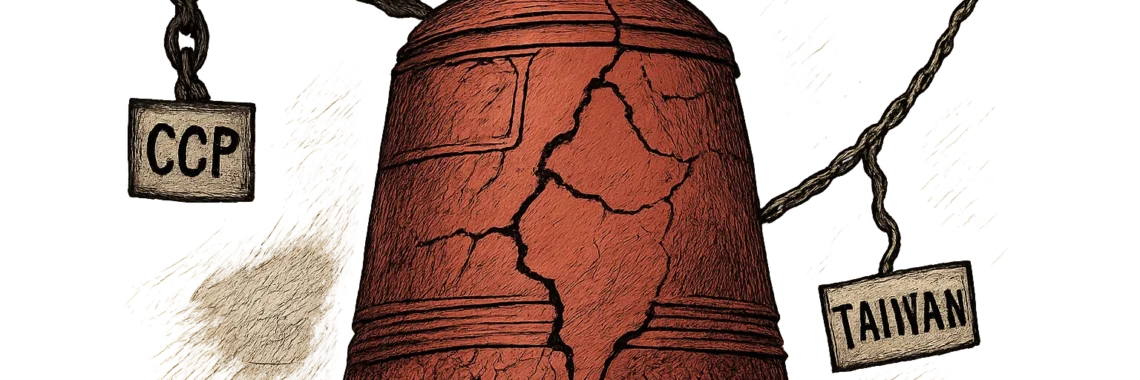
Understanding Beijing’s Enduring Taiwan Dilemma: Historical Trauma and Strategic Implications

Beijing’s persistent stance on Taiwan transcends conventional strategic calculations, rooted deeply in a historical narrative of fragmentation and reunification that shapes the Chinese Communist Party’s legitimacy and threat perception. This analysis explores how this chosen historical template influences Chinese policy, complicates U.S. deterrence strategies, and demands a nuanced approach to managing cross-strait tensions.

US Enacts Sanctions Targeting China and India’s Russian Energy Imports Ahead of Xi Jinping’s Washington Visit

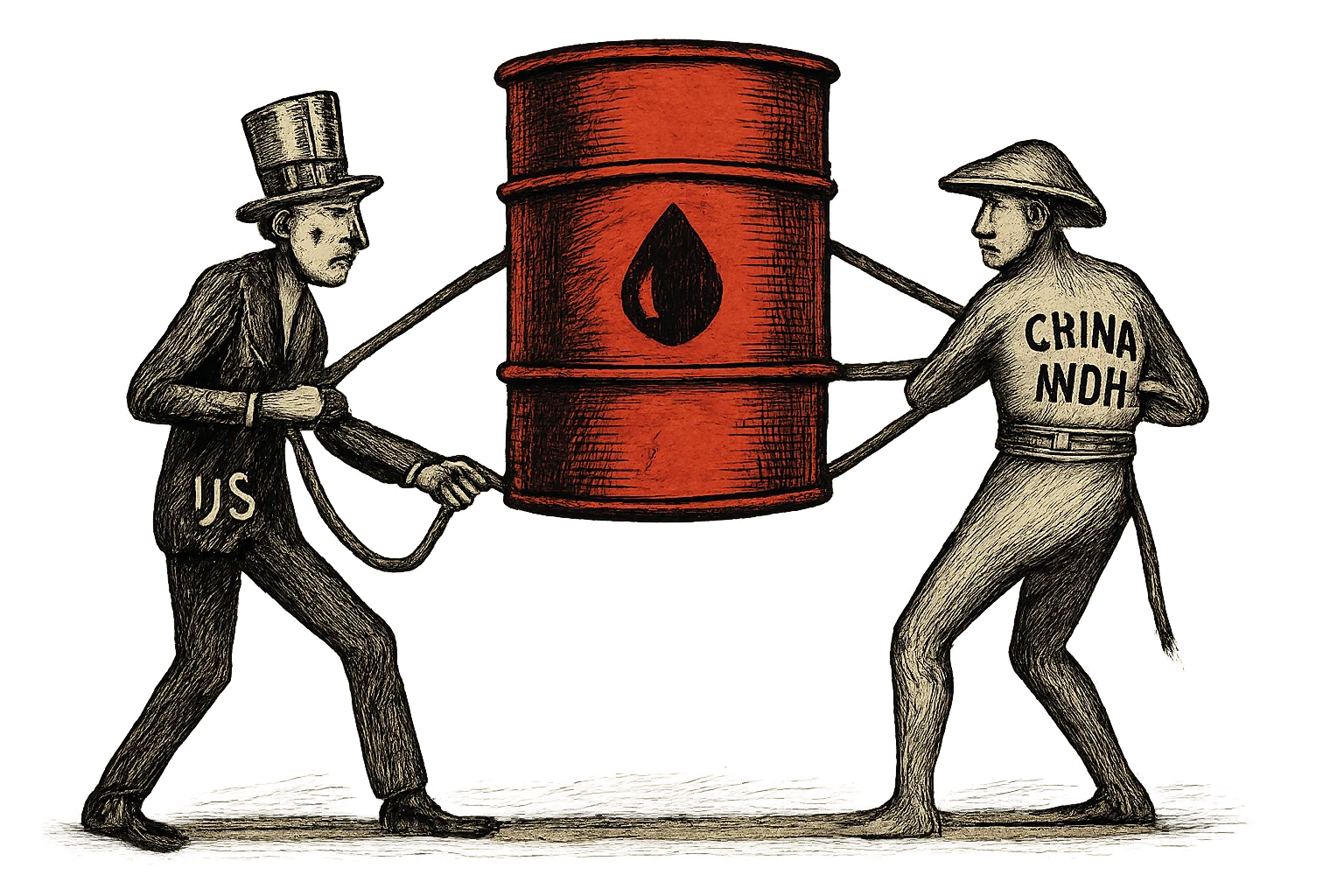
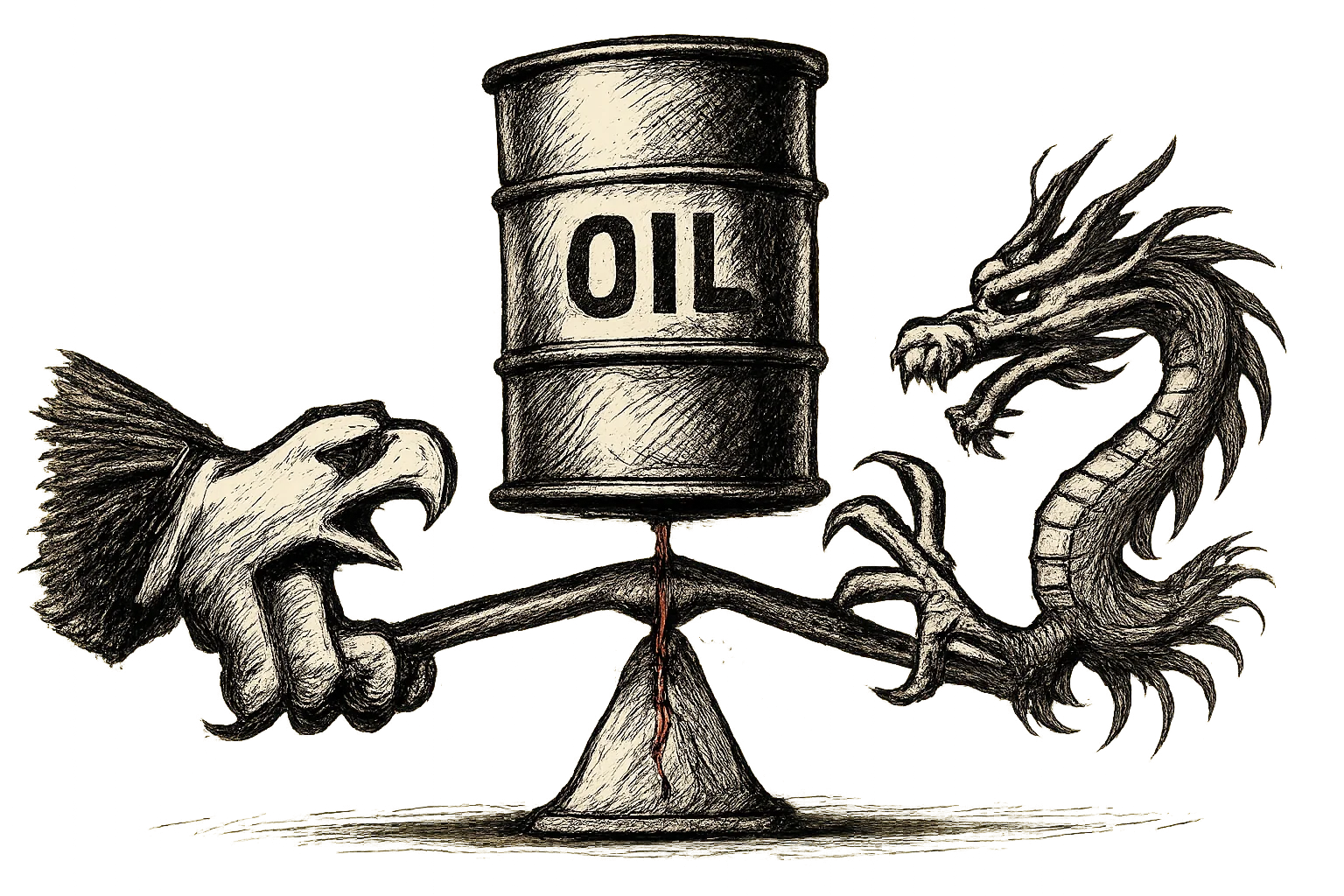
US Enacts Sanctions Targeting China and India’s Russian Energy Imports Ahead of Xi Jinping’s Washington Visit

The United States has enacted legislation expanding sanctions on Russia’s key energy importers, China and India, intensifying economic pressure just days before Chinese President Xi Jinping’s state visit to Washington. The new law authorizes tariffs and prohibitions aimed at curbing Russian energy exports amid ongoing geopolitical tensions.

Xi Jinping Advocates AI-Driven Industrial Collaboration and Middle East Peace Role for BRICS

Xi Jinping Advocates AI-Driven Industrial Collaboration and Middle East Peace Role for BRICS

At the BRICS summit in New Delhi, Chinese President Xi Jinping outlined a strategic vision for enhanced cooperation on artificial intelligence and industrial supply chains among emerging economies, while emphasizing the bloc’s potential role in mediating Middle East peace and opposing geopolitical confrontations.

The Shanghai Cooperation Organisation's Incremental Challenge to U.S. Influence Without Formal Alliances

The Shanghai Cooperation Organisation’s Incremental Challenge to U.S. Influence Without Formal Alliances

Marking its 25th anniversary, the Shanghai Cooperation Organisation has evolved from a border management forum into a significant platform for Eurasian powers to coordinate strategically, presenting a nuanced challenge to U.S. dominance amid ongoing geopolitical tensions.