


Strategic Context of Zhejiang’s Semiconductor Ambitions
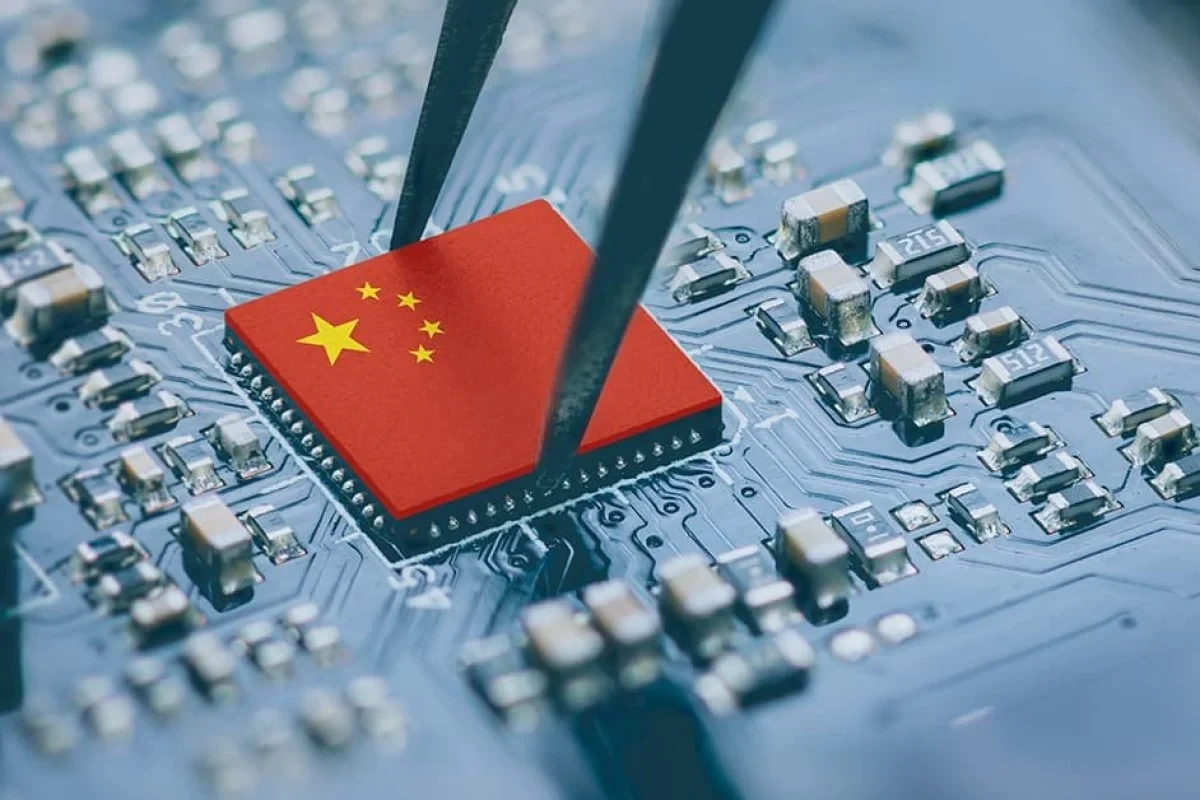
In the ongoing technological competition between the United States and China, Zhejiang province has emerged as a significant focal point for China’s semiconductor ambitions. Home to major technology companies such as Alibaba and the robotics startup Unitree, Zhejiang has recently unveiled a comprehensive five-year plan targeting rapid advancements in chip design and wafer fabrication within the 3- to 7-nanometer (nm) process nodes by 2030. This initiative reflects a deliberate effort to develop low-power, high-performance chips suitable for a broad spectrum of applications, including artificial intelligence (AI) workloads and the latest generation of open-source RISC-V architecture processors.
US Export Controls and China’s Drive for Self-Reliance
China’s semiconductor sector has faced increasing pressure from US export controls, which restrict access to cutting-edge Nvidia GPUs and advanced lithography equipment, aiming to curb Beijing’s technological progress. In response, China has intensified efforts to build an indigenous semiconductor ecosystem, with Zhejiang positioning itself as a key player in this strategic pivot. The province’s plan aims not only to catch up technologically but to establish a degree of independence from Western suppliers, thereby mitigating the impact of sanctions and export restrictions.
Technical Significance of the 3-7 Nanometer Node Range
The focus on 3- to 7-nm technology nodes is strategically significant. Chips fabricated at 7 nm can accommodate approximately 90 to 100 million transistors per square millimeter, while 3-nm chips nearly double that density to between 200 and 224 million transistors. Such transistor density is essential for powering increasingly complex and resource-intensive AI models. Leading semiconductor foundries like Taiwan’s TSMC dominate this market segment, accounting for 77 percent of wafer revenue in the 3-, 5-, and 7-nm nodes in the final quarter of 2025. Zhejiang’s ambition to compete in this space highlights the critical importance of these nodes for global technological leadership.
Zhejiang’s Role within China’s Broader Semiconductor Ecosystem
Zhejiang is not new to semiconductor innovation. Alibaba, headquartered in the province, has invested heavily in developing proprietary server chips and expanding its cloud and AI infrastructure. Meanwhile, Unitree Robotics exemplifies the integration of advanced hardware with AI capabilities. The province’s new plan involves targeted support for chip design firms and fabrication facilities that aim to operate independently of Western technology inputs, reinforcing Zhejiang’s role as a hub for China’s semiconductor industrialization.
Alignment with National Technological Self-Sufficiency Goals
This provincial initiative aligns with China’s national strategy to achieve technological self-reliance, a goal underscored by policies such as “Made in China 2025.” Chinese leadership, including President Xi Jinping, has emphasized breakthroughs in AI and semiconductor technology as critical milestones for 2025. Other regions like Shenzhen and Shanghai are pursuing parallel efforts to expand domestic chip production, improve RISC-V implementations as an open-source alternative to ARM and x86 architectures, and develop methods to circumvent sanctions.
Challenges and Accelerating Factors in China’s Semiconductor Progress
Despite these ambitions, China currently lags behind in producing the most advanced nodes at scale. Semiconductor Manufacturing International Corporation (SMIC) has achieved 7-nm production but does not match the volume or efficiency of industry leaders such as TSMC or Samsung. However, external pressures have accelerated innovation within Chinese firms. Companies like Huawei, with its Ascend AI chips, DeepSeek, which develops efficient AI models independent of Nvidia hardware, and emerging players exploring hybrid and chiplet-based designs, are collectively driving faster progress in the sector.
Implications for the Global Semiconductor Landscape
The developments in Zhejiang and China’s broader semiconductor ecosystem signal a potential shift in global supply chain dynamics. Should China succeed in scaling production of 3- to 7-nm chips, it could alter the competitive landscape of AI hardware and semiconductor manufacturing. This would challenge the current dominance of a limited number of suppliers and potentially influence pricing structures and industry standards. The US strategy of containment through export controls contrasts with China’s approach of sustained investment and mass mobilization, setting the stage for a protracted competition in semiconductor leadership.
Conclusion: A New Paradigm in Global Technology Competition
The semiconductor sector is entering a new phase in which the pre-sanction status quo is unlikely to return. Provinces like Zhejiang are central to shaping this emerging reality, representing China’s commitment to overcoming technological barriers imposed by geopolitical tensions. The outcomes of these efforts will have profound implications for innovation, industrial capacity, and strategic leverage in the critical technology domains that underpin national security and economic competitiveness.
Can you afford not to expand abroad Talk to us, we’ll help you grow your business internationally.
Talk to us →