


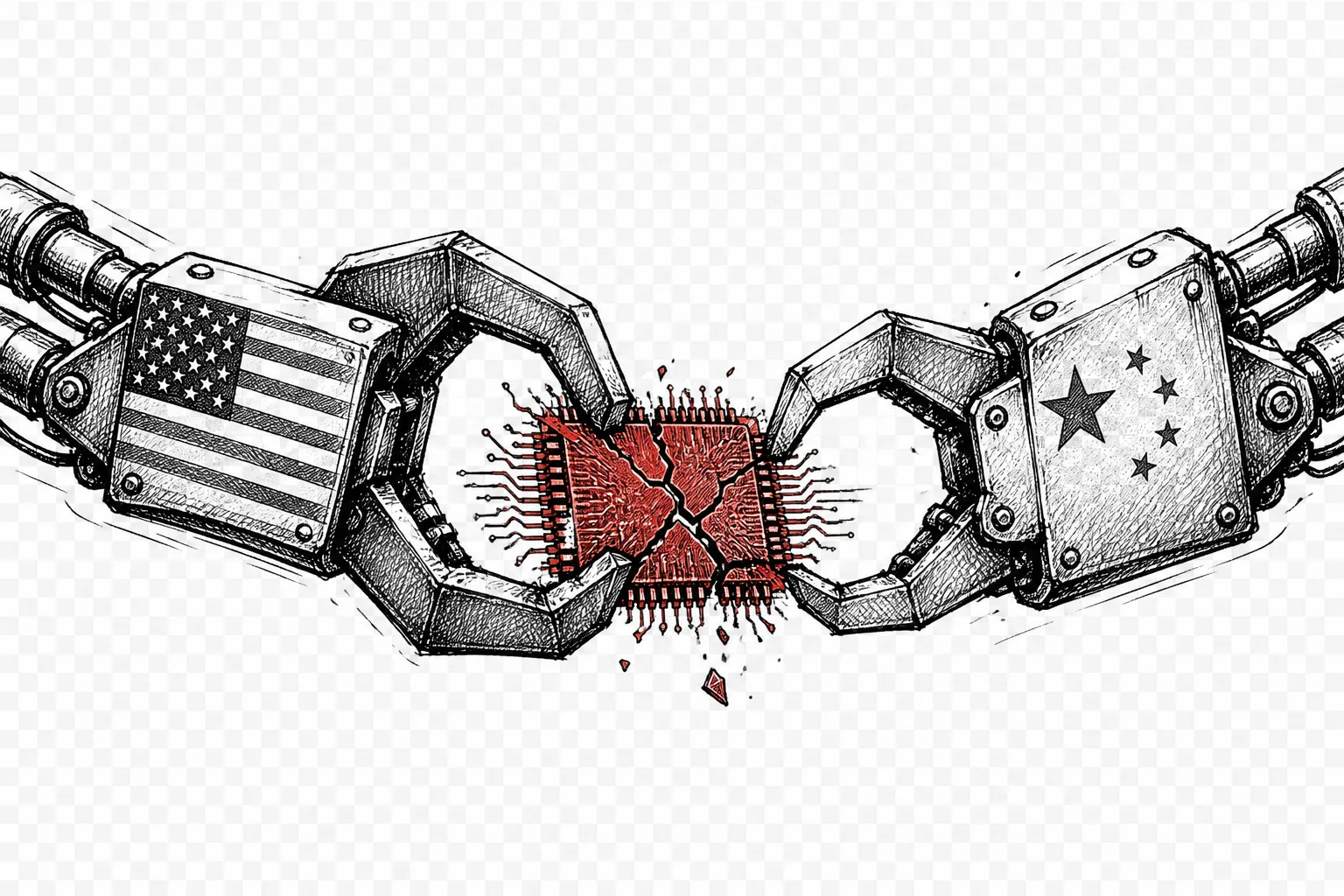
US FCC Ban on Device Testing in China Sparks Diplomatic Tensions
The US Federal Communications Commission (FCC) recently announced a prohibition on device testing activities conducted in China, set to take full effect by 2028. This regulatory move has drawn a strong rebuke from China’s Ministry of Commerce, which perceives the ban as a significant impediment to the interests of China and its trading partners. The ministry’s statement, released on Friday evening, underscores the potential ramifications for both bilateral economic relations and the broader stability of global industrial supply chains.
Impact on China-US Economic and Trade Relations
China’s commerce authorities argue that the FCC’s decision undermines the foundation of China-US economic and trade interactions. By restricting Chinese laboratories from certifying devices such as smartphones and computers, the ban could hinder cross-border technological collaboration and certification processes critical to the electronics manufacturing ecosystem. The ministry emphasized that such unilateral measures disrupt established market dynamics and could provoke retaliatory responses, further complicating an already complex trade relationship.
Global Supply Chain Stability at Risk
The Ministry of Commerce highlighted the broader implications of the FCC ban, cautioning that it could destabilize global industrial and supply chains. China plays a pivotal role in the manufacturing and testing stages of numerous electronic devices that are integral to worldwide markets. Restrictions on device testing not only affect Chinese firms but also reverberate through international technology supply chains, potentially causing delays, increasing costs, and reducing the efficiency of product certification and deployment.
Calls for Reconsideration and Industry Engagement
In its official communication, China urged the United States to reconsider the FCC’s decision, advocating for adherence to market principles and mutual accommodation. The ministry expressed hope that US policymakers would heed industry concerns and engage constructively to revoke the prohibitive measures. This appeal reflects the broader tension between regulatory actions driven by national security considerations and the imperatives of maintaining open, resilient supply chains in technologically interdependent sectors.
Related Analysis
-
Geopolitical and Industrial Implications of ASML’s EUV Technology and U.S.-China Export Controls
-
China Emerges as Dominant Buyer of Brazilian Oil Amid Iran Conflict Disruptions
-
Strategic Implications of the 2026 US Midterm Elections on Economic and Geopolitical Policy
-
Innovations in Anti-Counterfeiting: China’s Unique Approach to Authenticity Verification
-
Intersecting Pressures on U.S. Financial Stability and AI Semiconductor Supply Chains
Source:
South China Morning Post
Can you afford not to enter the Chinese market? Talk to us, we’ll help you succeed in China.
Talk to us →