


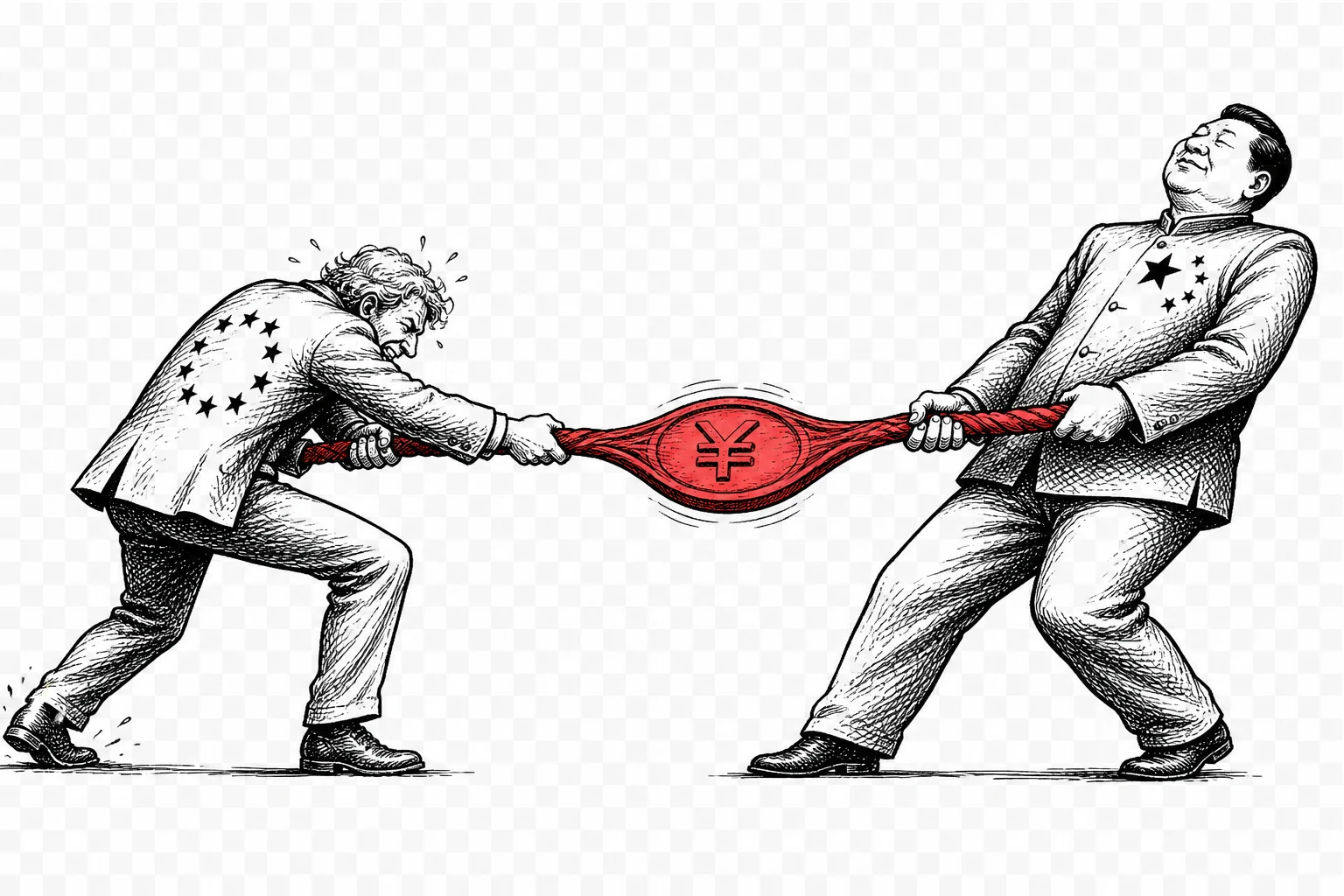
Context of EU-China Economic Engagement
Following a recent breakthrough in securing China’s agreement to cap hybrid vehicle exports to the European Union, EU officials are now preparing for a more complex negotiation focused on currency valuation. The bloc’s industry faces ongoing challenges, with concerns mounting that China’s management of the yuan may be contributing to competitive imbalances.
Upcoming High-Level Negotiations
In late November, a delegation of senior EU economic officials, led by Director General Maarten Verwey, is scheduled to engage in a macroeconomic dialogue with Chinese counterparts in Beijing. This dialogue aims to address Beijing’s currency policies and their impact on trade and industrial competitiveness within the EU.
Further, plans are underway for a subsequent delegation comprising senior representatives from the European Central Bank, the Eurogroup, and the European Commission to continue these discussions around the turn of the year. While specific dates remain unconfirmed, these meetings underscore the EU’s commitment to addressing currency-related trade distortions through diplomatic channels.
Strategic Implications for EU Industrial Competitiveness
The EU’s initiative to engage China on currency valuation comes amid broader concerns about protecting its manufacturing base and maintaining fair trade conditions. The deliberate suppression of the yuan’s value can enhance the price competitiveness of Chinese exports, placing pressure on EU industries already navigating supply chain disruptions and global economic uncertainties.
By pursuing these high-level dialogues, the EU seeks to mitigate risks of a renewed trade shock that could undermine its industrial recovery and strategic autonomy. The outcome of these talks will be closely monitored as an indicator of the evolving economic relationship between the EU and China, with implications for global trade dynamics and industrial policy.
Related Analysis
-
US Challenges China’s WTO Compliance Amid Concerns Over Industrial Dominance and Trade Practices
-
EU-China Hybrid Vehicle Quota: Limited Benefits for European Automakers Amid Intensifying Competition
-
German Industry’s Strategic Stockpiling of Rare Earths Amid EU-China Trade Tensions
-
EU-China Trade Dialogue Yields Progress on Hybrid Vehicle Market Access and Rare Earths
-
Xiaomi’s Strategic Entry into the European Electric Vehicle Market
Source:
South China Morning Post
Can you afford not to enter the Chinese market? Talk to us, we’ll help you succeed in China.
Talk to us →