


Legislative Measures Targeting Russian Energy Buyers
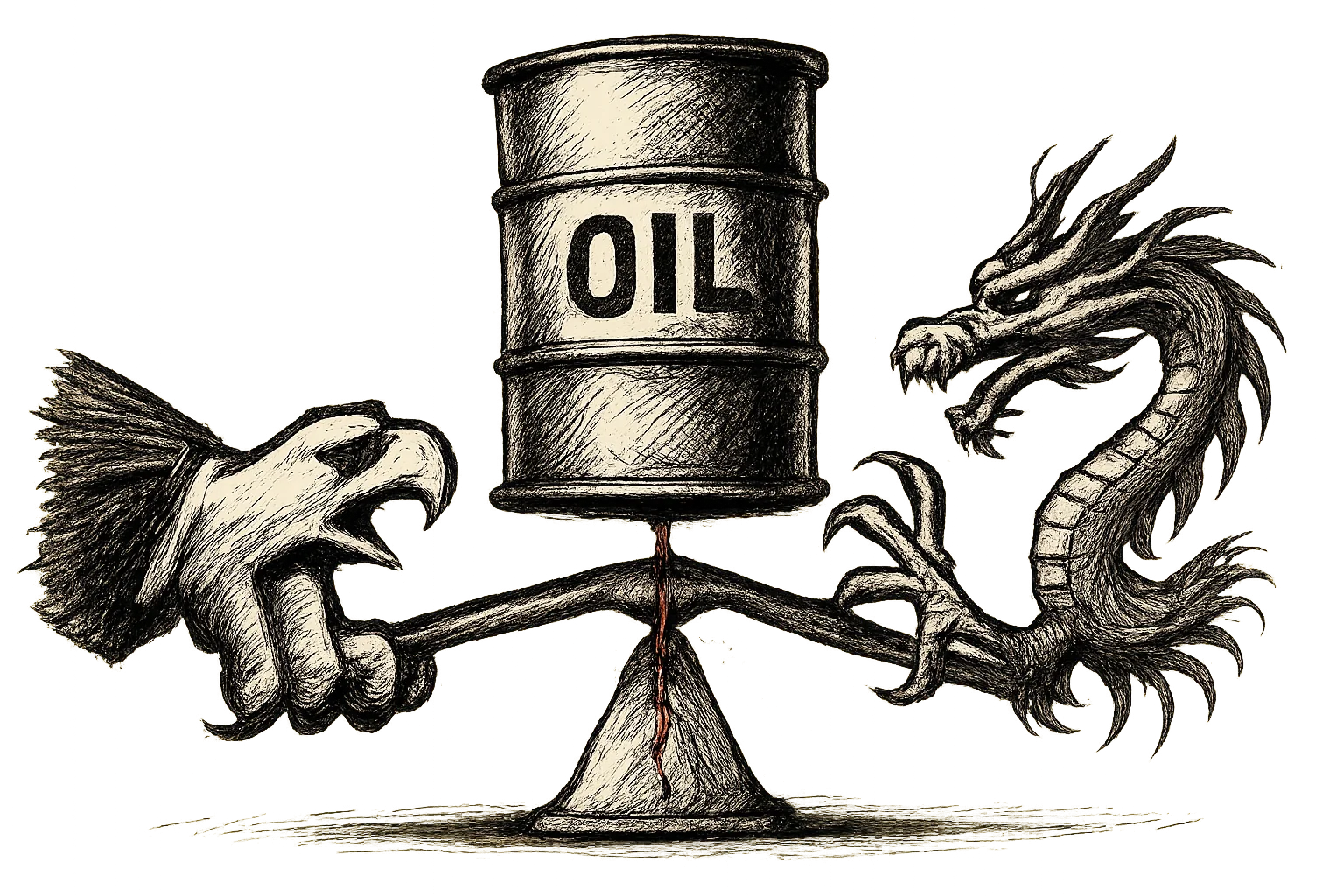
In a strategic move reflecting intensifying geopolitical competition, the United States Congress approved a legislative bill authorizing the imposition of tariffs on the principal importers of Russian oil and natural gas. This legislation, named after the late Senator Lindsey Graham, grants the US President authority to levy tariffs as high as 100% against the top five countries importing Russian energy resources. The timing of the bill’s passage, shortly before an anticipated visit by Chinese President Xi Jinping to the United States, underscores the broader context of US efforts to counter Russia’s economic leverage amid ongoing conflicts and to curtail China’s energy procurement from Russia.
China’s Diplomatic Response and Legal Objections
China’s Ministry of Foreign Affairs responded promptly to inquiries regarding the legislation, with spokesman Guo Jiakun articulating Beijing’s opposition to what it terms “long-arm jurisdiction.” This term refers to the extraterritorial application of domestic laws beyond a nation’s borders. The Chinese government emphasized that such unilateral measures lack a foundation in international law and have not received endorsement from the United Nations Security Council. China’s stance highlights its sensitivity to US legislative actions perceived as infringing on its sovereign rights and economic interests, particularly in the energy sector.
Implications for Sino-American Relations and Global Energy Markets
The enactment of this bill signals an escalation in the US strategic approach to limiting Russia’s energy revenues, which are critical to its economic and military capabilities. By targeting China’s energy imports from Russia, the US aims to exert pressure on Beijing to reduce its energy ties with Moscow, thereby aligning global economic actors with Washington’s sanctions regime. This development is likely to complicate Sino-American relations, introducing new friction points in trade and diplomatic engagements. Furthermore, the potential imposition of tariffs could disrupt global energy supply chains, influencing pricing and availability in international markets, particularly if China seeks alternative sources or retaliates with countermeasures.
Strategic Context and Future Outlook
The legislation reflects a broader US strategy to leverage economic tools in geopolitical competition, emphasizing energy security and sanction enforcement. It also illustrates the challenges of enforcing unilateral sanctions in a multipolar world where major powers maintain divergent interests. As the US and China navigate this complex environment, energy trade and associated policies will remain a critical domain of strategic interaction, with significant implications for international norms, economic stability, and the balance of power.
Source:
South China Morning Post
Can you afford not to enter the Chinese market? Talk to us, we’ll help you succeed in China.
Talk to us →