


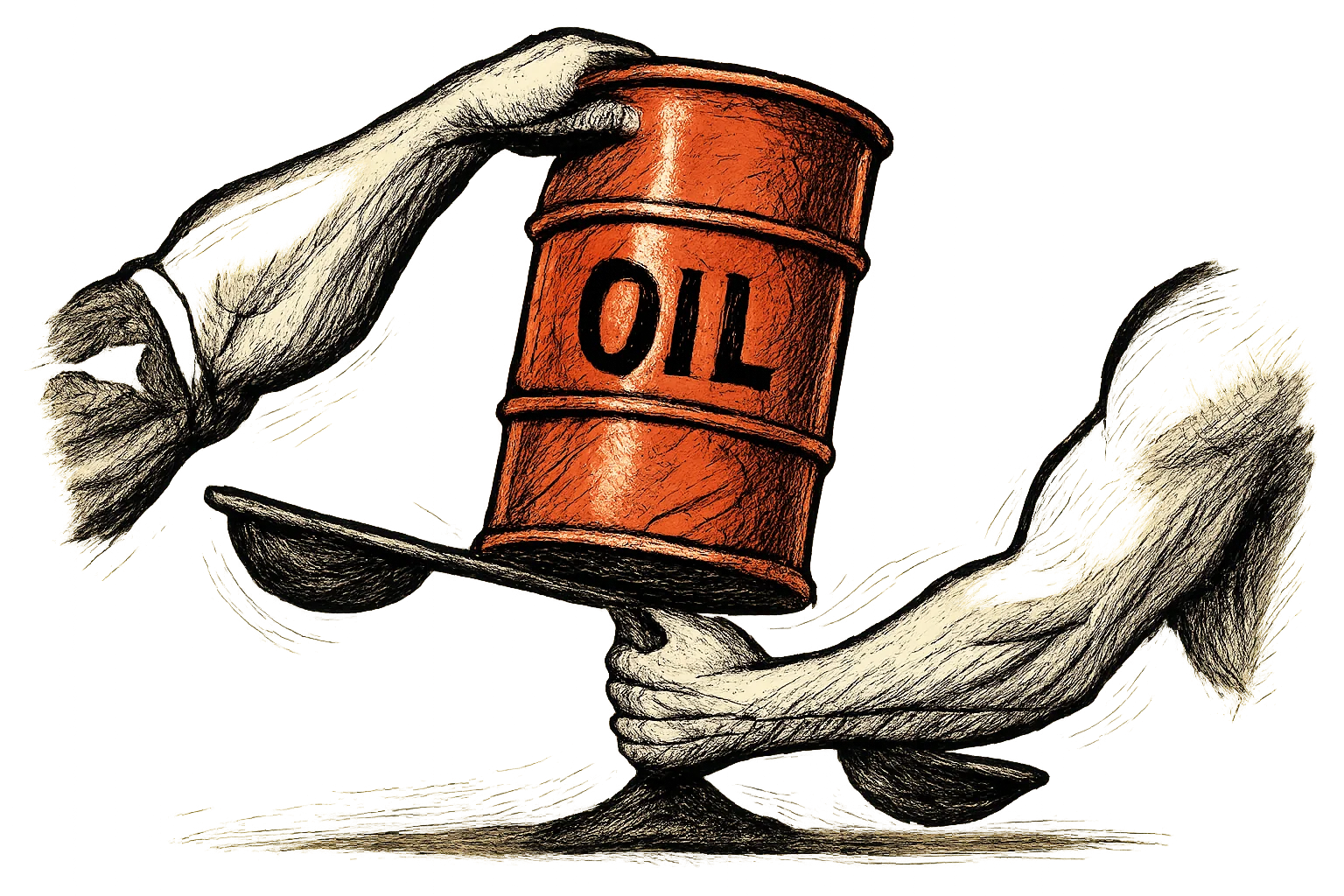
US Congressional Action Escalates Pressure on Russia’s Energy Trade Partners
The US Congress recently passed the Lindsey Graham Sanctioning Russia and Iran Act of 2026, a legislative measure designed to intensify economic pressure on Moscow by targeting its foremost energy buyers, notably China and India. This development underscores Washington’s strategic intent to curtail Russia’s energy revenues amid ongoing geopolitical tensions, while also complicating the energy import dynamics of major global consumers.
Implications for China’s Energy Security and Diplomatic Posture
China, as one of Russia’s largest energy importers, faces significant implications from the new sanctions framework. Beijing has publicly rejected the sanctions, emphasizing that its economic and trade engagements are conducted on principles of equality and mutual benefit, without targeting third parties. Chinese officials have underscored that such cooperation should remain free from external coercion, signaling Beijing’s resistance to US efforts that could disrupt its energy supply chain.
Strategic Timing Ahead of High-Level US-China Engagement
The passage of this sanctions bill comes just days before the anticipated summit between Chinese President Xi Jinping and US President Donald Trump in Washington. The timing reflects a complex interplay of strategic signaling and negotiation leverage by the US, potentially setting a contentious agenda for the bilateral talks. Energy trade and sanctions enforcement are likely to feature prominently in discussions, influencing broader US-China relations and regional stability.
Broader Geopolitical and Economic Consequences
Beyond bilateral tensions, the sanctions legislation illustrates the evolving landscape of international economic statecraft, where energy resources remain a critical axis of geopolitical influence. For China, navigating the sanctions regime while maintaining energy security will require balancing strategic partnerships and diplomatic resilience. For the US, the move represents an attempt to leverage economic tools to constrain Russia’s geopolitical maneuvering, albeit with risks of friction with key global players.
Related Analysis
-
US Congress Empowers Tariffs on Major Russian Energy Importers Amid Rising Sino-American Tensions
-
Washington’s Strategic Reconfiguration of the North American Trade Framework Amid China Concerns
Source:
South China Morning Post
Can you afford not to enter the Chinese market? Talk to us, we’ll help you succeed in China.
Talk to us →