




China’s Growing Influence in Traditional Automotive Sectors
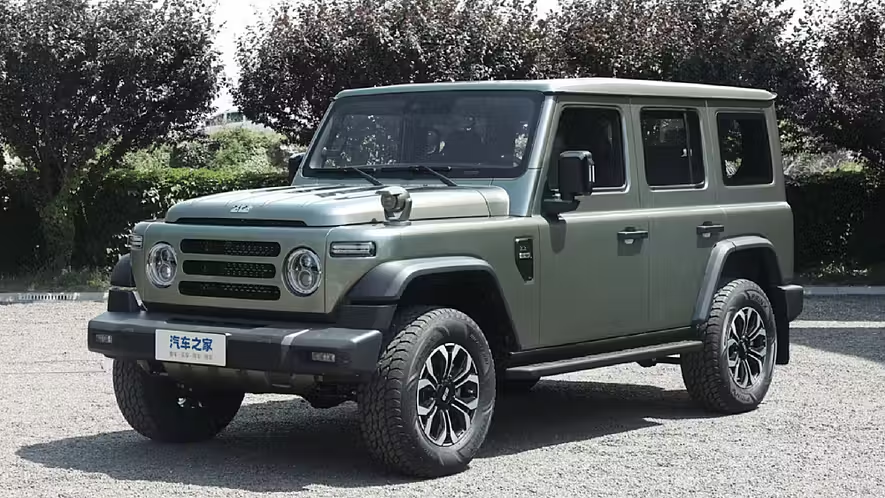
China continues to assert its presence as a critical player in global markets, extending beyond its well-documented leadership in high technology and digital industries. The introduction of the updated BAW BJ212 by Beijing Automobile Works (BAW) exemplifies this trend within the automotive sector, a field historically dominated by Western manufacturers. This development highlights China’s capacity to innovate within established industrial domains, signaling a broader strategic ambition to compete across diverse market segments.
The BAW BJ212: Heritage Meets Modern Engineering
The BJ212 model, a longstanding symbol of durability and reliability in China since the 1960s, has undergone significant modernization. The latest iteration preserves the nostalgic appeal of its predecessor while integrating contemporary technological features necessary for today’s competitive automotive environment. Equipped with a 2.0-liter turbocharged engine, all-wheel drive, and differential locks, the vehicle offers robust off-road capabilities, including a climbing angle exceeding 40 degrees, substantial ground clearance, and a high towing capacity. This combination positions the BJ212 as more than a leisure SUV, targeting users requiring dependable performance in demanding conditions.
Competitive Pricing and Market Positioning
A notable aspect of the BJ212 is its pricing strategy. With a starting price ranging from approximately $15,000 to $20,000, the vehicle occupies a market segment largely underserved by Western manufacturers, who typically focus on higher-priced models. This pricing advantage enables Chinese producers to penetrate niche markets such as off-road vehicles cost-effectively, signaling a deliberate effort to expand their global footprint in specialized automotive sectors.
Implications for German and Western Automotive Firms
The BJ212’s emergence presents a dual perspective for German and other Western companies. Firstly, it underscores the seriousness with which Chinese manufacturers approach their roles as global competitors, extending beyond electric vehicles into segments traditionally dominated by Western brands. Secondly, it reflects the sustained demand within China’s domestic market for rugged vehicles, driven by industries such as construction, agriculture, mining, and government services, which continue to rely on durable off-road transport solutions.
Opportunities for Industrial Collaboration and Supply Chain Integration
For enterprises engaged in supplying machinery components, drivetrain systems, safety technologies, or specialized construction and transport solutions, the Chinese market warrants close attention. The BJ212 exemplifies an industrial ecosystem conducive to partnerships and joint ventures. The ability to produce functional off-road vehicles at a fraction of European costs invites a reevaluation of supply chains, investment strategies, and collaborative frameworks to leverage China’s manufacturing efficiencies and market scale.
Strategic Takeaways
The introduction of the new BAW BJ212 serves as a clear indication that China is not solely a market for luxury sedans or electric vehicles but is actively cultivating competitive offerings in traditional, rugged vehicle categories. This evolution reflects broader shifts in the Chinese industrial landscape and reinforces the necessity for global automotive players to maintain vigilant engagement with the Chinese market. Understanding these dynamics is essential for anticipating competitive challenges and identifying strategic opportunities in the global automotive industry.
Can you afford not to expand abroad Talk to us, we’ll help you grow your business internationally.
Talk to us →