


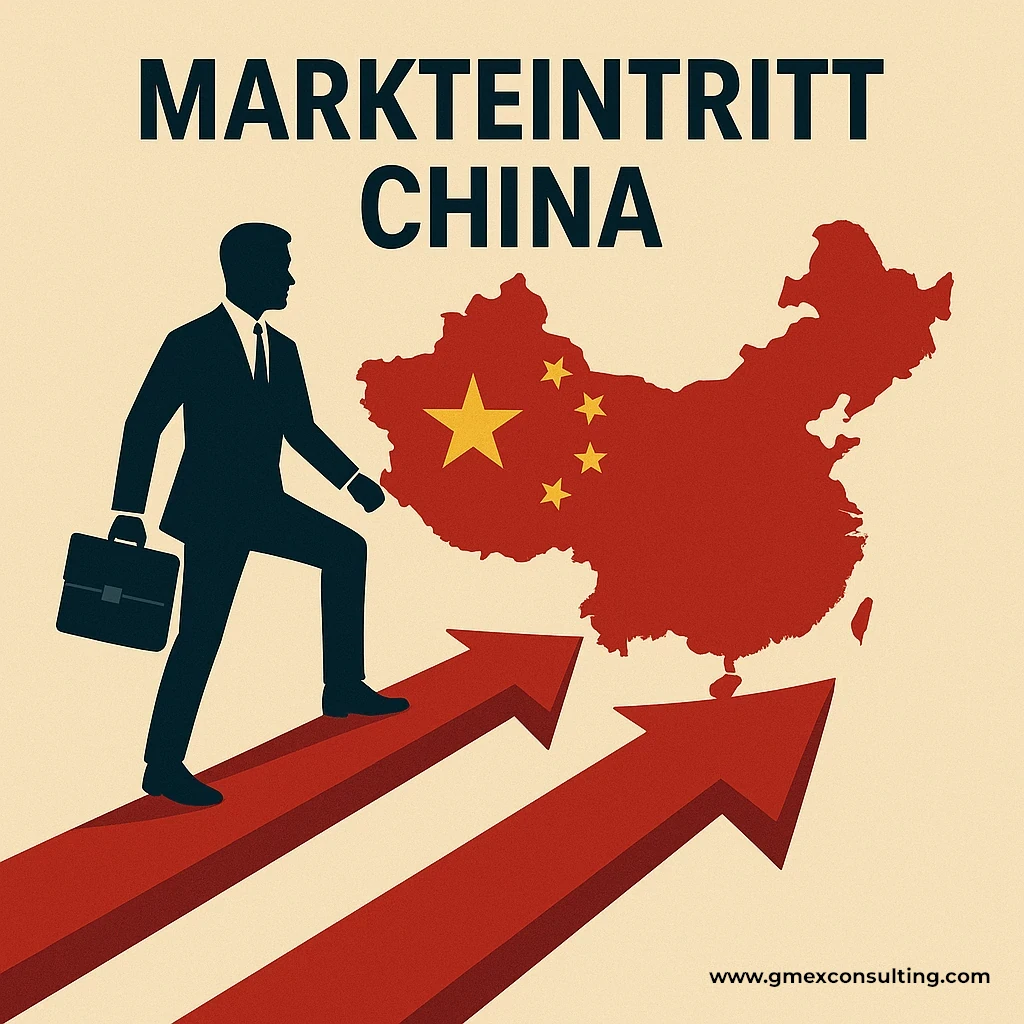
Shifting Dynamics in Global Scientific Talent Flows
In the contemporary global competition for technological leadership, China is increasingly emerging as a formidable contender against the United States. Recent trends indicate a significant migration of high-caliber researchers from the US to China, including physicists from prestigious institutions such as Princeton, engineers formerly affiliated with NASA, and specialists in artificial intelligence. Since early last year, at least 85 prominent scientists have relocated to China, with the majority making the move within the current year. This shift underscores a broader realignment in the global innovation landscape that German enterprises should carefully evaluate when considering international expansion.
US Policy and Its Impact on Talent Mobility
The United States’ current policy environment, characterized by substantial budget cuts to research funding, increased visa restrictions for specialized professionals, and heightened scrutiny of foreign researchers, has contributed to a climate of uncertainty within American academic and scientific institutions. Researchers of Chinese descent, in particular, have reported feelings of alienation, prompting many to seek alternative environments conducive to their work. China has capitalized on this development by channeling significant resources into domestic innovation, with President Xi Jinping emphasizing technological self-reliance as a cornerstone of economic security.
China’s Investment in Research and Innovation Infrastructure
China’s commitment to research and development is reflected in its 2023 expenditure exceeding $780 billion, positioning it just behind the United States in absolute terms. Leading Chinese universities like Tsinghua and Fudan actively recruit international experts by offering competitive remuneration packages, substantial research funding—sometimes up to $400,000—housing subsidies, and family support programs. Initiatives such as the Qiming Program are designed to attract global talent into China’s commercial technology sectors. In regions like Jiangsu province, demand for specialists in semiconductors and artificial intelligence has surged, particularly as US export controls exert pressure on China’s technology ambitions.
Opportunities for German Companies in China’s Innovation Ecosystem
While some German small and medium-sized enterprises hesitate due to perceived complexity and distance, China’s recent technological achievements provide compelling reasons to reconsider. The country’s success in lunar exploration, leadership in renewable energy technologies, and advancements in quantum communication demonstrate its growing capabilities. Start-ups such as DeepSeek have developed AI models competitive with those from Silicon Valley at a fraction of the cost. For German firms, this environment offers opportunities to establish partnerships, joint ventures, or dedicated research and development centers that leverage the influx of internationally trained talent now embedded within China’s innovation system.
Challenges and Strategic Considerations
Despite its advantages, China presents challenges including a decelerating economy, stringent regulatory frameworks, and cultural differences that require careful navigation. Experts caution against viewing China merely as a refuge from US policy constraints. However, for companies with a long-term strategic outlook, these factors are outweighed by the potential benefits. New visa categories, such as the “K-Visum” for young professionals, and government incentives are facilitating easier market entry and talent acquisition.
Conclusion: Positioning for Future Competitiveness
The evolving landscape of global innovation necessitates that German companies reassess their international strategies. China’s positioning as a stable and resource-rich environment for researchers presents not a threat but an opportunity for collaboration and growth. Firms that act decisively to integrate into China’s burgeoning innovation ecosystem may secure a competitive advantage as geopolitical and technological dynamics continue to evolve, while those that delay risk losing ground amid shifting global power balances.
Can you afford not to expand abroad Talk to us, we’ll help you grow your business internationally.
Talk to us →