


Geopolitical and Economic Drivers Behind China’s Investment Surge in Brazil
In 2025, Brazil solidified its position as one of the foremost recipients of Chinese capital worldwide, reflecting a strategic recalibration of China’s global investment approach. Chinese enterprises expanded aggressively across multiple sectors including energy, mining, manufacturing, logistics, technology, and electric mobility. This evolution marks a significant departure from the historically resource-centric trade relationship, moving towards a robust, long-term industrial partnership.
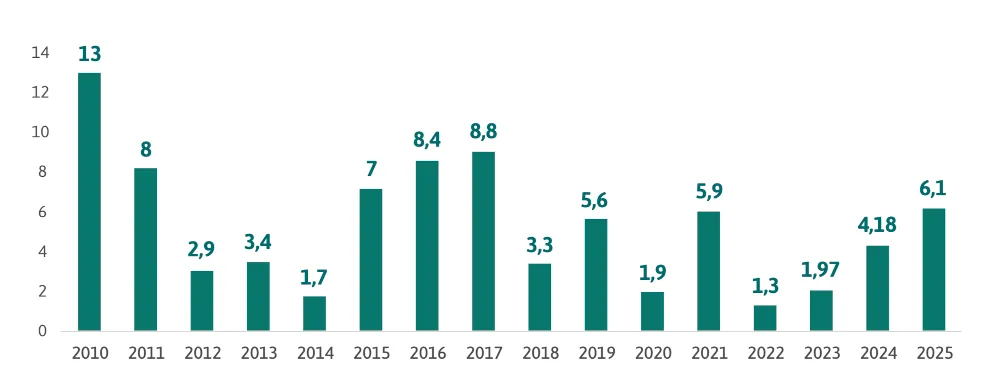
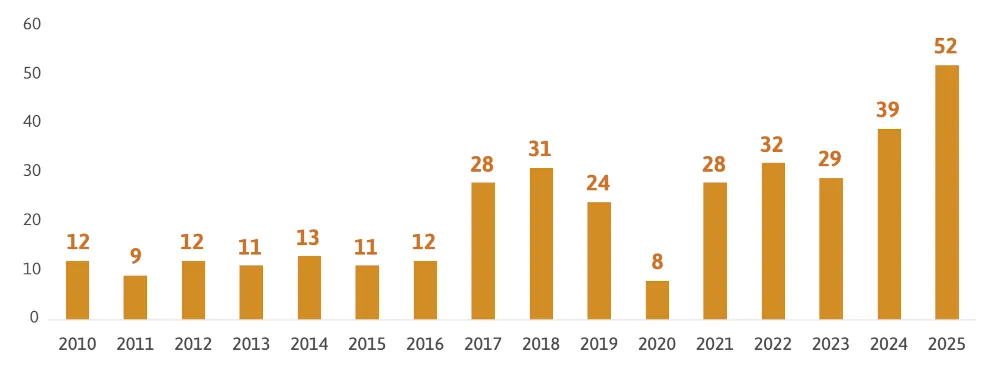
The scale of this expansion is substantial, with Chinese investments surpassing $6 billion and encompassing projects across 20 Brazilian states. These investments are not limited to resource extraction but extend deeply into renewable energy, advanced manufacturing, digital infrastructure, and transportation networks, positioning Brazil as a critical node in a geopolitically fragmented world focused on supply chain diversification and sustainable energy transformation.
Global Context: Strategic Shifts in China’s Overseas Investment Focus
China’s intensified engagement with Brazil occurs within a complex international environment marked by persistent Sino-American tensions and increased scrutiny by European governments over Chinese acquisitions and industrial expansion. Stricter regulations on technology transfer and foreign investment in developed markets have prompted Chinese firms to pivot towards emerging economies, with Brazil standing out due to its unique combination of a large consumer base, abundant mineral reserves, extensive renewable energy resources, and an established industrial infrastructure.
Brazil’s energy matrix, characterized by a high share of clean electricity, offers Chinese manufacturers a competitive advantage amid growing global demands for decarbonized supply chains and sustainability compliance. This factor enhances Brazil’s attractiveness beyond conventional resource extraction, aligning with China’s broader ambitions in green technologies and sustainable industrial development.
Renewable Energy Investments and Infrastructure Development
The energy sector emerged as the leading recipient of Chinese capital in Brazil, with investments nearing $1.8 billion in 2025. Chinese corporations such as CPFL, State Grid, SPIC, and China Three Gorges have expanded their footprint across multiple states, focusing on solar, wind, hydroelectric power, and grid infrastructure projects.
This investment pattern reflects the global imperative to accelerate the energy transition, requiring significant capital not only for generation capacity but also for grid modernization, energy storage, and integrated industrial infrastructure. Brazil’s geographic and climatic conditions provide optimal opportunities for renewable projects, which Chinese firms are leveraging by establishing long-term operational platforms rather than merely acquiring existing assets.
Mining and Control of Critical Minerals
Mining has reemerged as a strategic sector within China’s investment portfolio in Brazil, with capital inflows more than tripling to $1.76 billion by 2025. The focus has shifted towards securing supply chains for minerals critical to the global energy transition and advanced electronics industries, including nickel, copper, lithium, graphite, and rare earth elements.
Key acquisitions, such as CMOC’s purchase of gold mines from Equinox Gold and MMG’s acquisition of Anglo American’s nickel operations, exemplify China’s strategic intent to integrate mining assets with manufacturing and clean energy production. This integration supports a vertically coordinated supply chain essential for electric vehicles, battery systems, and renewable energy technologies.
Transformation of Brazil’s Automotive Industry Through Chinese Investment
The automotive sector illustrates the broader industrial transformation driven by Chinese investment. Historically dominated by Western, Japanese, and South Korean manufacturers, Brazil’s electric and hybrid vehicle market is rapidly being reshaped by Chinese companies.
BYD, for example, captured approximately 72% of the electrified vehicle market share in 2025. Other major Chinese brands have established local production facilities, repurposing former manufacturing sites such as Ford’s plant in Bahia and Mercedes-Benz’s facility in São Paulo. Partnerships like Geely’s collaboration with Renault further embed Chinese technology and production capabilities within Brazil’s industrial ecosystem.
This shift signifies a move from export-oriented strategies to localized manufacturing, supply chain integration, and cultural adaptation, with Chinese firms investing in brand localization and engaging with Brazilian consumers through tailored marketing and partnerships.
Geographical Expansion and Regional Impact
Chinese investments have geographically diversified, reaching 20 Brazilian states by 2025, the widest spread to date. While São Paulo remains a central hub, northern and northeastern states have gained prominence due to resource extraction, infrastructure, and energy projects. Notably, Chinese oil investments near the Amazon’s mouth have elevated northern Brazil as a key region for new developments.
Implications for International Competitors and Opportunities for Collaboration
European and American companies operating in Brazil now face intensified competition from Chinese firms across manufacturing, energy, logistics, automotive, and mining sectors. However, this dynamic also opens avenues for suppliers, engineering firms, automation providers, logistics operators, and industrial service companies.
Chinese enterprises often seek local partnerships to navigate regulatory complexities and acquire technical expertise, presenting potential collaborative opportunities. German companies, in particular, may find synergies given Brazil’s industrial foundation, engineering culture, and renewable energy expansion aligning with German strengths.
Conclusion: Brazil as a Strategic Industrial Partner in a Multipolar World
China’s deepening engagement with Brazil reflects a broader global realignment characterized by regionalization of economic activity, restructuring of supply chains, and transformation of energy systems. Brazil is no longer viewed simply as a resource supplier but as a strategic industrial partner capable of supporting China’s ambitions in manufacturing, clean energy, mining, and regional expansion across Latin America.
For multinational corporations, recognizing Brazil’s evolving role is critical to understanding emerging economic and geopolitical trends in the Western Hemisphere. Ignoring Brazil’s strategic ascent risks missing a fundamental shift in the global industrial and investment landscape.
Can you afford not to expand abroad Talk to us, we’ll help you grow your business internationally.
Talk to us →