


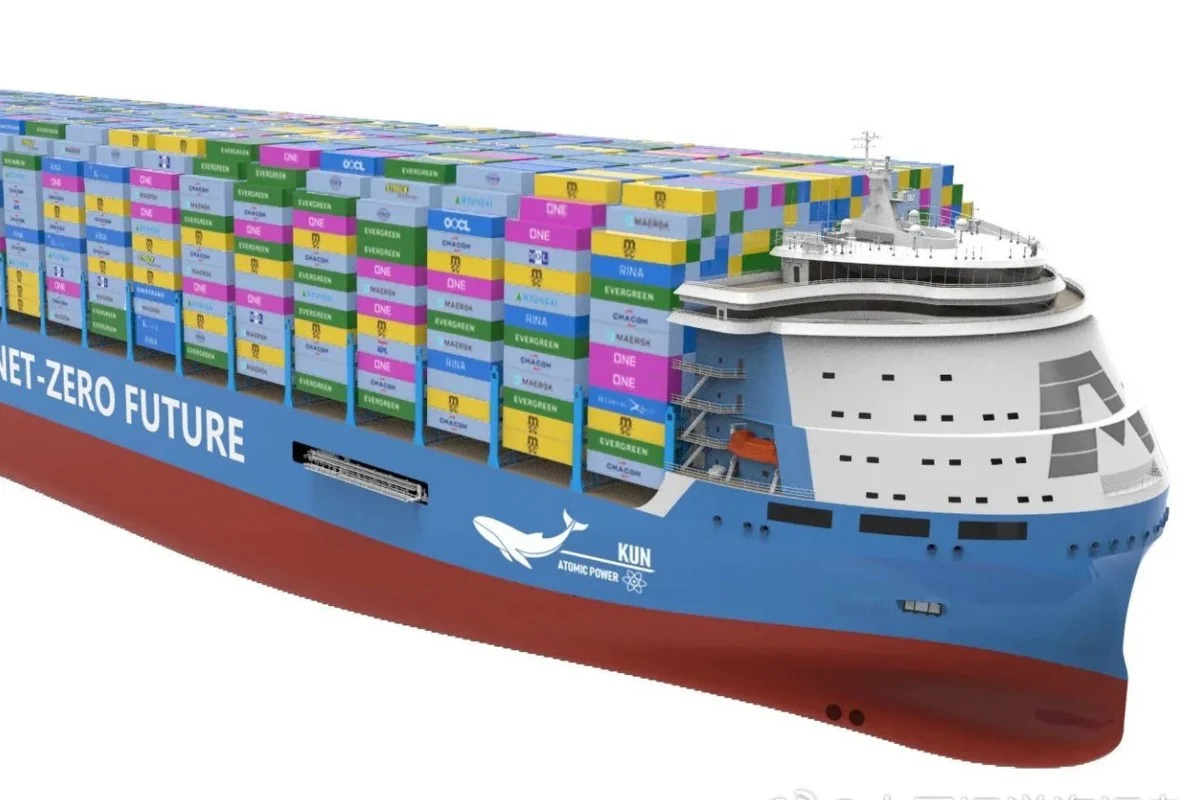
Introduction of Thorium-Powered Maritime Propulsion
China’s Jiangnan Shipyard has unveiled a 14,000-TEU container vessel powered by a 200-megawatt thorium-based liquid salt reactor. Developed under the China State Shipbuilding Corporation, this initiative builds on a previously tested thorium prototype reactor demonstrated in the Gobi Desert. The reactor design features a sealed modular system that operates without the need for refueling over a decade, functioning at low pressure without water cooling. This configuration inherently reduces safety risks associated with conventional nuclear propulsion systems.
Advancing Decarbonization in Global Shipping
The global shipping sector accounts for approximately three percent of worldwide carbon dioxide emissions, prompting regulatory bodies such as the International Maritime Organization (IMO) to set ambitious net-zero emission targets by 2050. The thorium-powered vessel represents a significant technological advancement, enabling transoceanic voyages with near-zero emissions. Additionally, the technology promises a substantial reduction in fuel costs, estimated between 30 and 50 percent compared to traditional fossil-fuel-powered ships. China’s abundant thorium reserves further underpin the potential for scalable deployment of this technology on a global scale.
Strategic Challenges and Opportunities for German Industry
German shipyards and shipping companies find themselves at a crossroads, facing both competitive pressures and new avenues for innovation. The country’s existing expertise in military nuclear technology offers a foundation to adapt thorium reactor technology for commercial maritime applications. However, regulatory hurdles and public acceptance remain significant challenges. Pilot programs aligned with frameworks such as ARPA-E initiatives or compliance with the Jones Act could facilitate initial integration and testing phases, accelerating adoption within Western markets.
Global Partnership and Market Expansion Prospects
Strategic expansion beyond domestic markets is critical. China’s role as a supplier of reactor components and a partner for testing provides an entry point for collaborative development. At the same time, rising demand in regions like Brazil, driven by the need for efficient bulk transport, aligns well with the advantages offered by thorium propulsion. Establishing operational bases in key ports such as Santos, combined with favorable investor visa policies, can grant German firms market access while diversifying geopolitical and commercial risk.
Outlook and Recommendations for German Maritime Stakeholders
With China targeting prototype testing completion by 2027, German maritime companies should proactively evaluate the integration of thorium-powered systems into their fleets. Securing funding, engaging in international partnerships, and developing regulatory frameworks will be essential steps to maintain technological competitiveness. Early involvement in this emerging propulsion technology could position German industry at the forefront of the next generation of sustainable maritime transport.
Can you afford not to expand abroad Talk to us, we’ll help you grow your business internationally.
Talk to us →