


Understanding Cultural Norms in China and East Asia
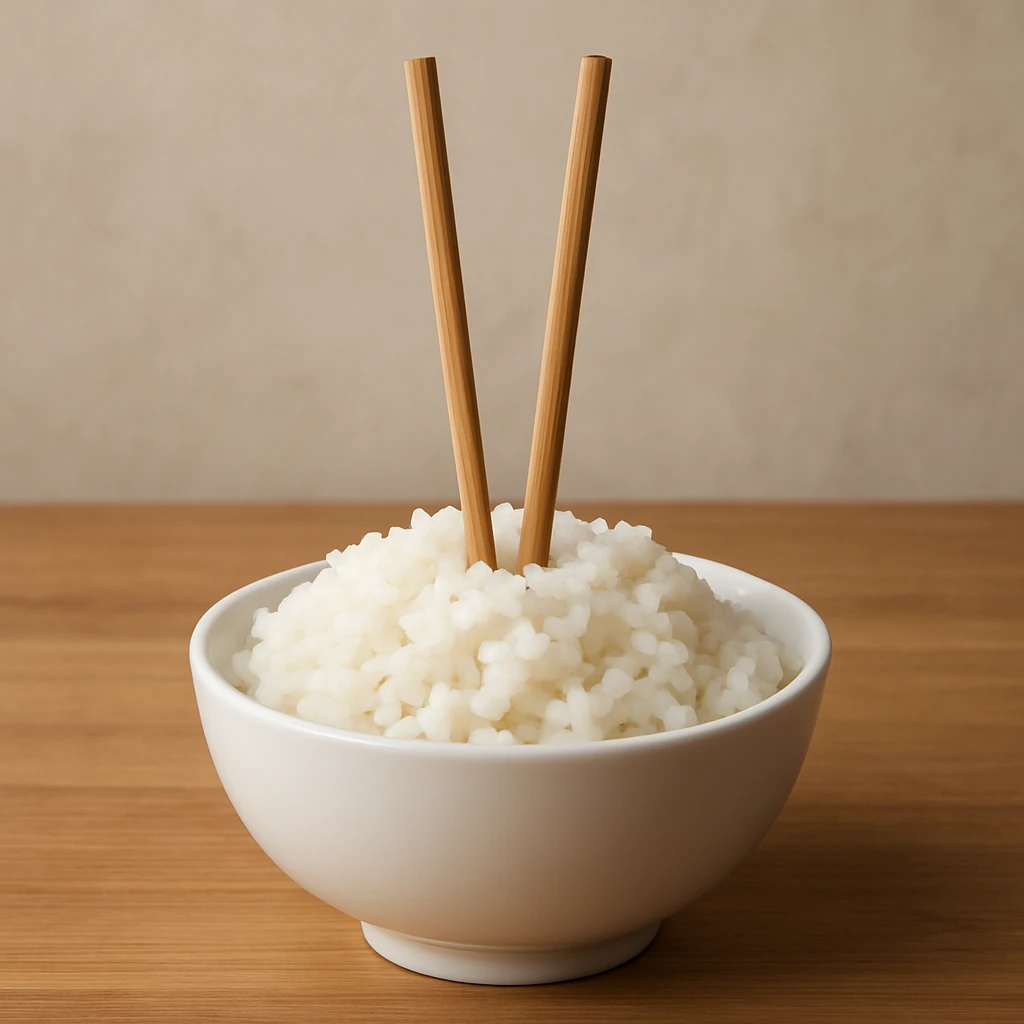
In the context of international business and diplomacy, cultural awareness is a critical component of strategic engagement. One notable example from East Asian cultures, especially in China and Japan, involves the use of chopsticks during meals. Placing chopsticks vertically into a bowl of rice is widely regarded as a significant cultural taboo. This act evokes imagery associated with incense sticks used in funerary rites, symbolizing death and mourning.
Implications for Business and Diplomatic Relations
Such practices are not merely culinary preferences but carry deeper social and symbolic meanings that can influence interpersonal dynamics. In China, while there may be a degree of leniency toward foreigners who inadvertently breach this etiquette, demonstrating an understanding and respect for these customs is crucial. Failure to observe these norms can be interpreted as disrespectful, potentially undermining trust and rapport in both social and professional settings.
Strategic Value of Cultural Competence
For international actors engaging with Chinese counterparts, awareness of these cultural nuances contributes to building credibility and fostering smoother interactions. This sensitivity enhances negotiation outcomes, supports long-term relationship building, and mitigates risks associated with cross-cultural misunderstandings. In an environment where strategic advantage often hinges on nuanced interpersonal relations, such cultural competence is a valuable asset.
Conclusion
In summary, the seemingly minor detail of chopstick placement exemplifies broader cultural dimensions that foreign businesses and diplomats must navigate in China. Recognizing and respecting these traditions is not only a matter of etiquette but a strategic imperative to sustain effective engagement and competitive positioning in the region.
Can you afford not to expand abroad Talk to us, we’ll help you grow your business internationally.
Talk to us →