


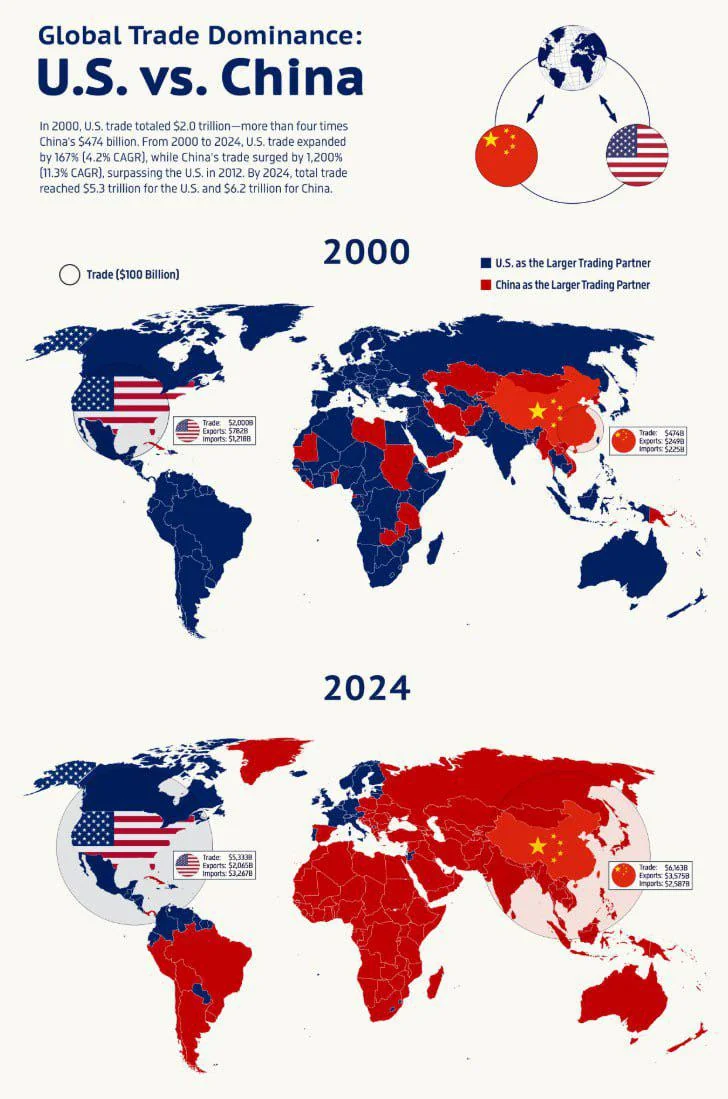
Evaluating Expansion Amid US-China Trade Dynamics
In the evolving landscape of global trade, companies face critical decisions regarding expansion or relocation of manufacturing and operational facilities. The strategic choice between establishing or maintaining a presence in China versus the United States carries significant implications for market access, supply chain resilience, and regulatory compliance.
Local Presence as a Competitive Necessity
Operating within key markets has increasingly become a prerequisite for competitive advantage. Firms must assess whether they can afford to operate without a physical footprint in either China or the US, given the growing emphasis on localized supply chains and the shifting geopolitical environment. The decision impacts not only operational efficiency but also access to emerging technologies, customer proximity, and responsiveness to policy changes.
Implications for Industrial and Trade Strategy
The strategic calculus extends beyond mere cost considerations. Companies must navigate complex trade policies, tariffs, and regulatory frameworks that differ substantially between the US and China. This necessitates a nuanced understanding of industrial policy trends, potential incentives for reshoring or nearshoring, and the broader geopolitical context influencing bilateral trade relations.
Engaging Expertise for Strategic Decision-Making
Given these complexities, consulting with specialized advisors who understand the intricacies of US-China trade relations and industrial policy can provide critical insights. Such expertise supports informed decision-making regarding expansion or relocation strategies, ensuring alignment with long-term business objectives and geopolitical realities.
Can you afford not to expand abroad Talk to us, we’ll help you grow your business internationally.
Talk to us →