


ecord U.S. Propane Exports in the First Half of 2026

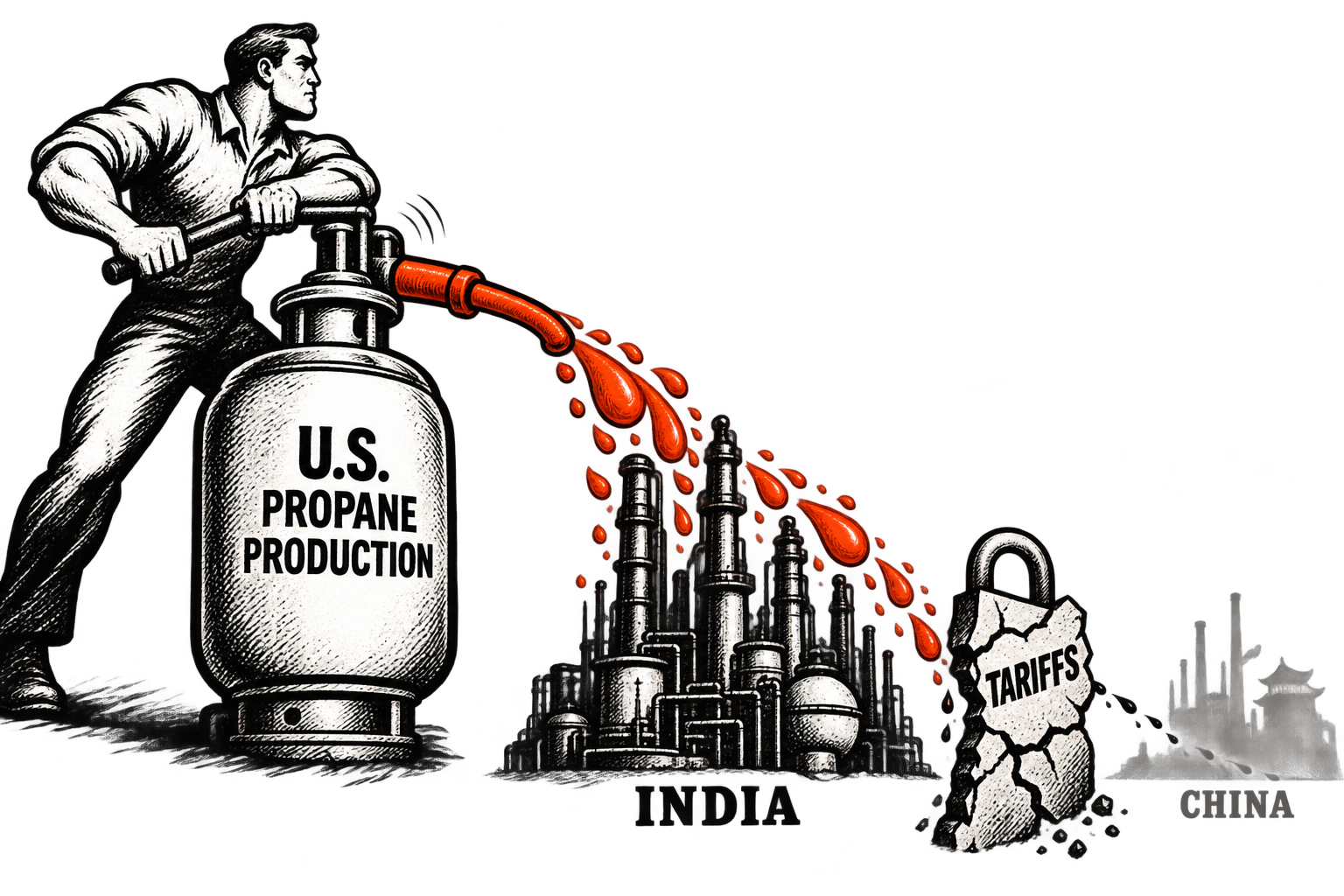
In the first six months of 2026, U.S. exports of propane reached 2 million barrels per day, marking an 11% increase compared to the same period in 2025. This growth culminated in a record monthly export volume of 2.1 million barrels per day in April 2026. The surge is attributed primarily to heightened domestic propane production and shifting global trade flows, particularly increased shipments to India and other South Asian countries.
Production Growth Underpinning Export Expansion
Propane production in the United States has expanded significantly over the past decade, paralleling the rise in natural gas output. As a byproduct of natural gas processing and crude oil refining, propane availability has increased, leading to relatively lower U.S. propane prices compared to Asian markets. This price differential has been a critical factor in boosting export volumes, enabling U.S. propane to compete effectively on the global stage.
Changing Trade Patterns and Geopolitical Influences
The reorientation of trade flows reflects broader geopolitical and economic developments. Notably, U.S. propane exports to China declined substantially following the imposition of tariffs beginning in February 2025, with a peak tariff of 125% in April 2025 before stabilizing at 10%. This tariff regime resulted in a 28% drop in U.S. propane shipments to China in 2025 and a further 19% decline in the first half of 2026. In contrast, demand from India and South Asian markets has risen, driven by their need to secure alternative energy supplies amid disruptions in Middle Eastern shipments and growing petrochemical sector requirements.
Strategic Implications for Petrochemical and Energy Markets
Propane’s role as a feedstock for producing propylene and ethylene, essential components in plastics manufacturing, underscores its strategic importance beyond residential and commercial heating applications. The increased U.S. exports to emerging Asian markets align with the region’s expanding petrochemical industries and energy consumption patterns, reinforcing the United States’ position as a key supplier in global energy and industrial supply chains.
Infrastructure Constraints and Future Outlook
Despite the robust export growth, capacity limitations pose challenges to sustaining this trajectory. Infrastructure expansion projects, such as Enterprise’s enhancement of the Houston Ship Channel and Nederland terminals, aim to add 300,000 barrels per day of export capacity by the end of 2026. However, logistical bottlenecks, including drought-induced low water levels at the Panama Canal linked to the El Niño weather phenomenon, have constrained shipping volumes and increased transit costs. These factors could temper near-term export growth by elevating operational expenses and limiting vessel movements.
Overall, the U.S. propane export surge reflects a confluence of increased production capabilities, shifting global demand patterns, and strategic trade realignments. These dynamics highlight the evolving landscape of energy supply chains and underscore the importance of infrastructure resilience and geopolitical considerations in maintaining U.S. competitiveness in global energy markets.
Related Analysis
-
Germany Faces Record Trade Deficit with Asia-Pacific in 2026 Amid Shifting Regional Dynamics
-
U.S. LNG Export Growth Accelerates Amid Capacity Expansion and Global Market Disruptions
-
Petrobras Market Valuation Surges Amid Rising Oil Prices and Production Gains
-
Assessing the Plateau in Global Adoption of the Chinese Yuan Amid Shifting Geopolitical Dynamics
-
Shifting Priorities in U.S. Refining: Increased Focus on Middle Distillates Amid Market Dynamics in 2026
Source:
EIA – Today in Energy
Can you afford not to expand abroad Talk to us, we’ll help you grow your business internationally.
Talk to us →