


Strategic Resource Supply Undermines Trade Agreement Extension
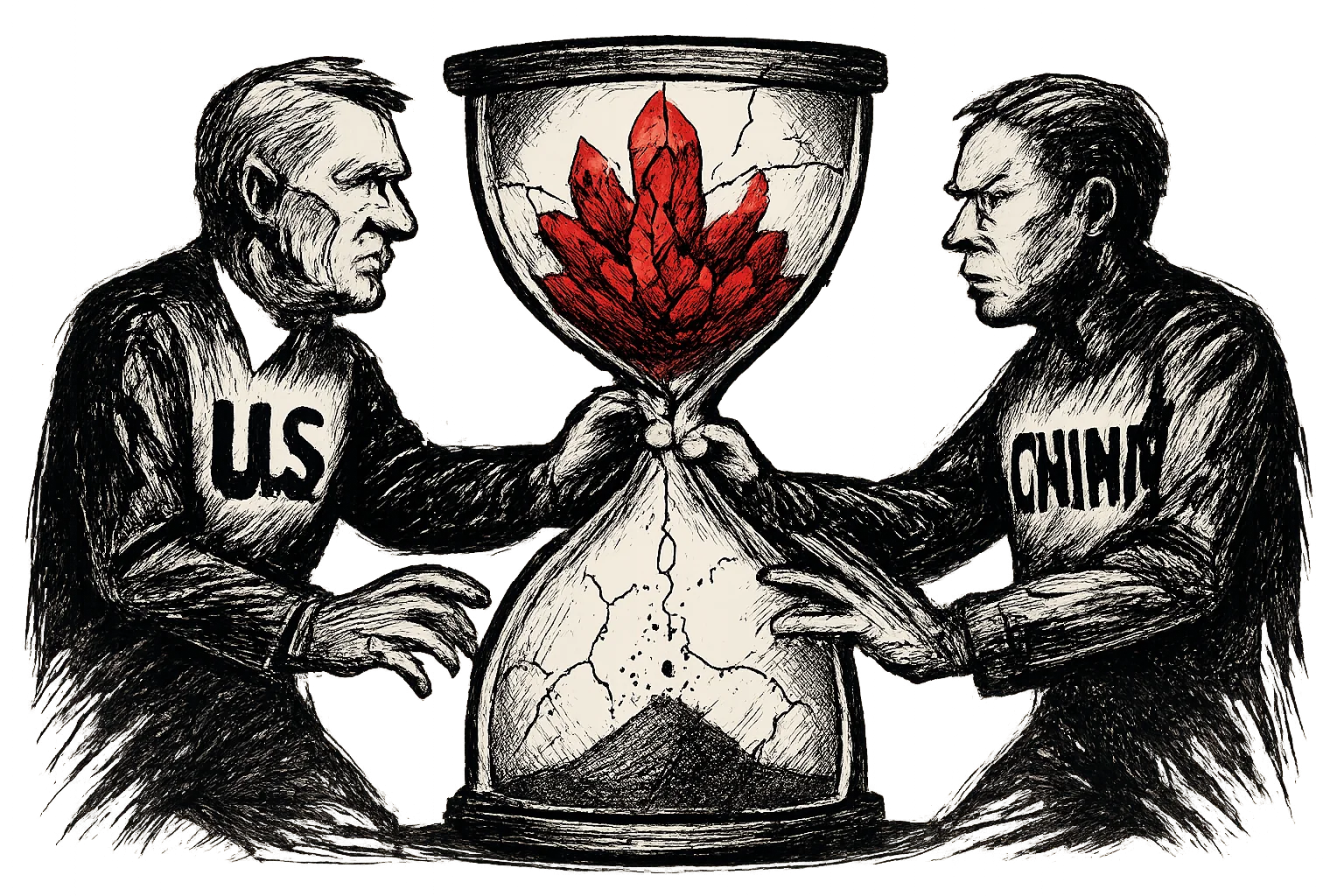
With the impending state visit of Chinese President Xi Jinping to Washington, diplomatic efforts to prolong the 2025 Busan trade agreement between the United States and China are encountering significant obstacles. Central to the dispute is the supply of rare earth minerals, a category of strategic resources vital to advanced manufacturing and defense technologies. Despite reported progress in the implementation of a limited tariff reduction mechanism under the agreement, disagreements over mineral exports threaten to stall broader trade cooperation.
US Accuses China of Restricting Critical Mineral Exports
US Trade Representative Jamieson Greer has publicly attributed the uncertainty surrounding the agreement’s extension to China’s restrictive export policies on rare earth elements. Greer emphasized that Beijing continues to limit the volume of these critical minerals supplied to the United States, thereby complicating compliance and cooperation efforts. This reticence comes amid growing American concerns about supply chain vulnerabilities for components essential to sectors such as semiconductors, renewable energy, and defense.
Implications for Industrial and Strategic Competitiveness
The rare earth export dispute underscores broader tensions in US-China economic relations, particularly in areas where technological leadership and industrial scale intersect with national security interests. Rare earth minerals are indispensable for the production of high-tech electronics, electric vehicles, and military hardware, positioning their availability as a lever in strategic competition. The ongoing friction threatens to impede not only trade facilitation but also efforts to enhance supply chain resilience and ensure uninterrupted access to critical inputs.
Balancing Diplomatic Progress with Strategic Rivalry
While the personal rapport between Presidents Xi and Trump has been cited as a positive factor in negotiations, the underlying structural challenges remain formidable. Both countries appear to be weighing the benefits of extending the trade truce against the strategic imperative to maintain leverage over critical resource flows. Observers note that delays in extending the agreement could reflect calculated positioning by both sides, seeking to extract concessions or preserve strategic advantage amid a complex bilateral relationship.
Outlook for US-China Trade Relations
As the summit approaches, the resolution of rare earth export issues will be a key indicator of the trajectory of US-China trade relations. Success in extending the Busan agreement and expanding tariff reductions could signal a temporary easing of economic tensions. Conversely, continued impasses over strategic mineral supplies may foreshadow prolonged rivalry and increased emphasis on domestic industrial policies aimed at reducing dependency on foreign sources. The outcome will have significant implications for technological innovation, industrial competitiveness, and national security in both countries.
Related Analysis
-
US Enacts Sanctions Targeting China and India’s Russian Energy Imports Ahead of Xi Jinping’s Washington Visit
-
Washington’s Strategic Reconfiguration of the North American Trade Framework Amid China Concerns
-
US Sanctions Targeting Russia’s Energy Buyers Challenge China Ahead of Xi-Trump Summit
Source:
South China Morning Post
Can you afford not to enter the Chinese market? Talk to us, we’ll help you succeed in China.
Talk to us →