


China’s Strategic Export Restrictions Target Critical Technologies
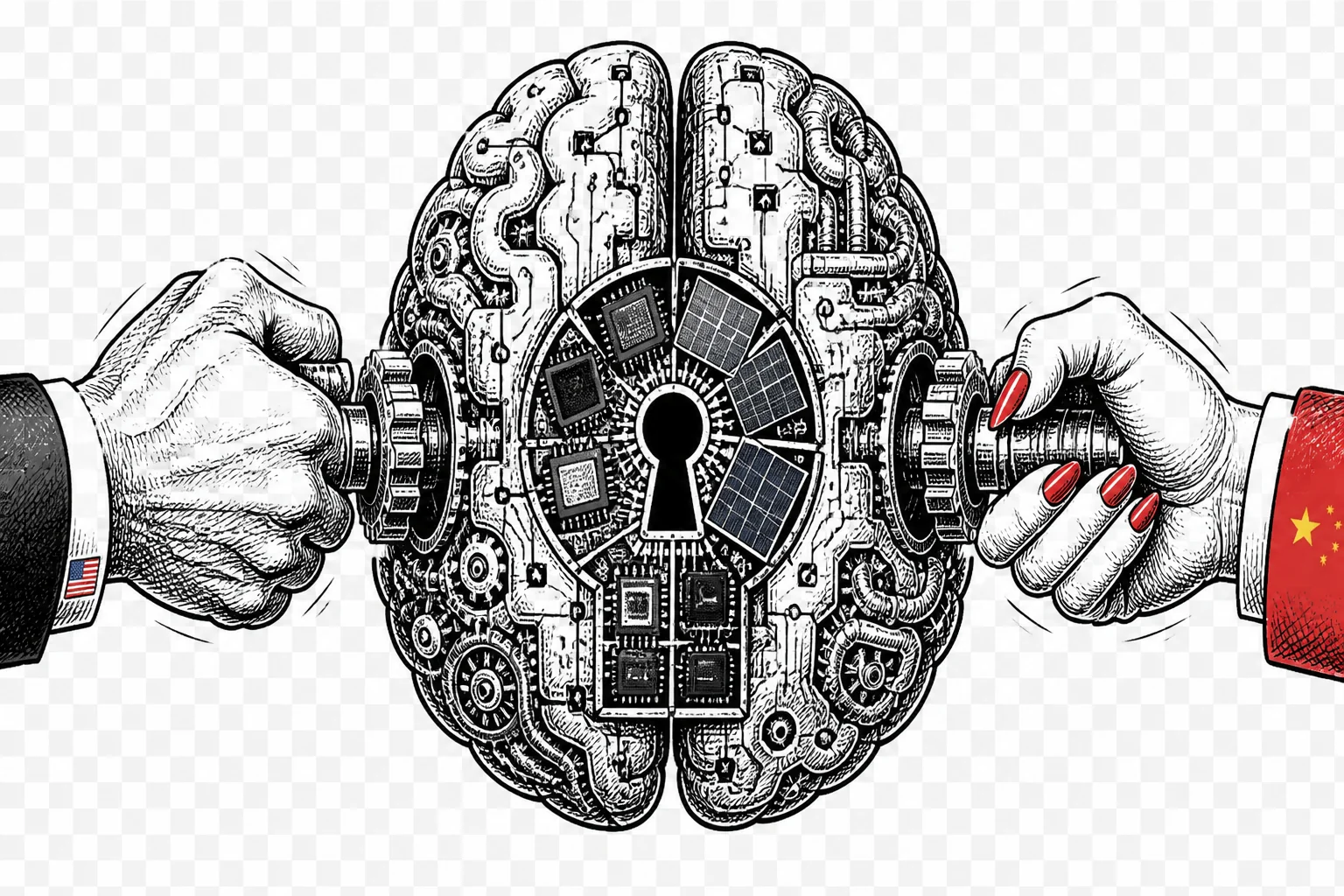
In a significant development within the global technology competition landscape, China has unveiled a draft proposal to impose export controls on 40 categories of advanced technologies. The list encompasses artificial intelligence (AI) systems, semiconductor design technologies, and solar power manufacturing capabilities. This move, jointly announced by the Ministry of Commerce and Ministry of Science and Technology, is framed as a necessary measure to protect national security and prevent misuse of sensitive technologies.
Scope of Technologies Under Proposed Controls
The proposed export restrictions cover a broad spectrum of AI technologies, including 23 specific categories ranging from large-scale AI models to autonomous AI agents. Notably, the draft document targets AI models with parameter counts exceeding two trillion, a metric indicative of a model’s complexity and learning capacity. This threshold encompasses some of China’s leading AI systems, such as Moonshot’s Kimi K3 and Alibaba’s Qwen 3.8-Max, although the proposal does not explicitly name these models.
In addition to AI, the restrictions extend to semiconductor design technologies critical for AI processing and memory chips, which are foundational to advanced computing capabilities. Solar power technologies, particularly those involved in producing polysilicon—a vital raw material in solar panels—are also included, alongside select biomedicine technologies related to cell and gene therapies.
Context Within U.S.-China Technological Rivalry
This initiative emerges amid ongoing tensions between China and the United States over technological dominance and national security. The U.S. has previously implemented export controls restricting China’s access to cutting-edge AI chips and advanced semiconductor manufacturing equipment. Concurrently, both nations have engaged in dialogues concerning AI safety, governance, and mechanisms for managing AI-related incidents that could pose security risks.
China’s export control proposal can be seen as a reciprocal measure responding to Western countries’ increasing sovereignty-driven restrictions on AI, robotics, and telecommunications technologies. By regulating outbound technology flows, China aims to maintain strategic leverage and safeguard its technological advancements from potential foreign exploitation or interference.
Implications for Global Technology and Supply Chains
The proposed export controls highlight the accelerating fragmentation of global technology ecosystems. As major powers prioritize national security and technological self-reliance, restrictions on cross-border technology transfers are becoming more prevalent. This trend complicates international collaboration and may intensify efforts toward industrial reshoring and supply chain diversification.
Experts note that these developments underscore the growing strategic importance of AI and semiconductors as foundational technologies shaping global economic and security landscapes. The restrictions on solar and biomedicine technologies further indicate China’s intent to protect critical sectors beyond traditional information technology.
Conclusion
China’s draft export control proposal signals a strategic recalibration in the global technology competition, emphasizing national security and technological sovereignty. By curbing the export of advanced AI models, semiconductor designs, and key materials, Beijing seeks to consolidate its technological edge while countering Western export restrictions. This move is poised to influence the trajectory of innovation, industrial policy, and geopolitical dynamics in the technology sector for years to come.
Related Analysis
-
US Enacts Sanctions Targeting China and India’s Russian Energy Imports Ahead of Xi Jinping’s Washington Visit
-
German Industry’s Strategic Stockpiling of Rare Earths Amid EU-China Trade Tensions
-
US Congress Empowers Tariffs on Major Russian Energy Importers Amid Rising Sino-American Tensions
-
Geopolitical and Industrial Implications of ASML’s EUV Technology and U.S.-China Export Controls
-
US Sanctions Targeting Russia’s Energy Buyers Challenge China Ahead of Xi-Trump Summit
Source:
PBS
Can you afford not to enter the Chinese market? Talk to us, we’ll help you succeed in China.
Talk to us →