We currently target the following markets:

EU with focus on Germany, Brazil and China

Read More

Services

We offer market entry consulting, business development, market observation and M&A services

Read More

Consulting Frameworks

We offer our own consulting frameworks. Please have a look.

Read More

China’s Economic Success and the Rising Challenge of ‘Neijuan’: An Analysis of Waning Optimism Amidst Growth

China’s Economic Success and the Rising Challenge of ‘Neijuan’: An Analysis of Waning Optimism Amidst Growth

Despite remarkable economic and technological advancements over the past two decades, China faces a growing societal phenomenon known as ‘neijuan’—an inward-spiraling competition that undermines individual progress and optimism. This analysis explores the implications of this dynamic on China’s future growth and social stability.

EU-China Hybrid Vehicle Quota: Limited Benefits for European Automakers Amid Intensifying Competition

EU-China Hybrid Vehicle Quota: Limited Benefits for European Automakers Amid Intensifying Competition

The recent EU-China agreement to cap Chinese hybrid car exports to Europe at 350,000 units annually marks a significant shift in trade dynamics but offers limited strategic advantage to European automakers facing escalating competition from Chinese electric vehicles.

Reevaluating Brazil: Strategic Imperatives for International Market Entry Amid Tax Reforms and Economic Potential

Reevaluating Brazil: Strategic Imperatives for International Market Entry Amid Tax Reforms and Economic Potential

Brazil’s evolving tax landscape and diversified economy present renewed opportunities for international companies. Understanding regional dynamics, regulatory reforms, and strategic entry models is critical for leveraging Brazil as a platform for Latin American growth.

U.S. LNG Export Growth Accelerates Amid Capacity Expansion and Global Market Disruptions

U.S. LNG Export Growth Accelerates Amid Capacity Expansion and Global Market Disruptions

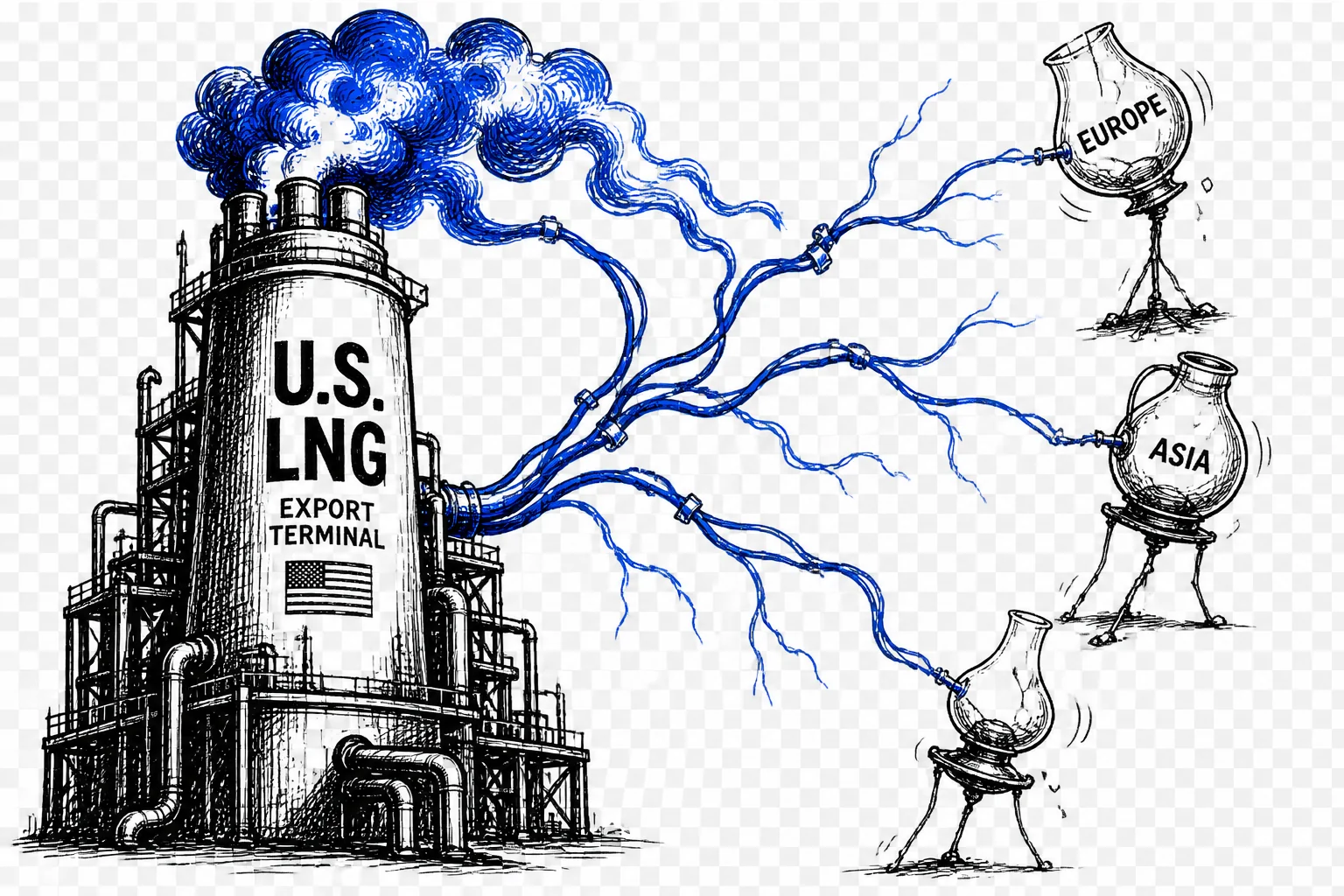
U.S. liquefied natural gas exports increased by 23% in the first half of 2026, driven by new terminal capacity and elevated global prices, with further growth projected through early 2027. Supply disruptions in key global chokepoints have intensified demand for U.S. LNG, particularly in Asia and Europe.

Strategic Implications of ANVISA’s Regulatory Modernization for Pharmaceutical Market Entry in Brazil

Strategic Implications of ANVISA’s Regulatory Modernization for Pharmaceutical Market Entry in Brazil

Brazil’s health regulatory agency, ANVISA, is implementing a comprehensive modernization plan aimed at streamlining pharmaceutical evaluations through regulatory reliance, enhanced applicant engagement, structured quality reporting, and selective AI integration, with significant implications for international pharmaceutical companies seeking market access.

Navigating Brazil’s Regulatory Landscape for Connected Medical Devices: Cybersecurity and Data Protection Challenges

Navigating Brazil’s Regulatory Landscape for Connected Medical Devices: Cybersecurity and Data Protection Challenges

Brazil’s regulatory framework for connected medical devices integrates cybersecurity protocols with stringent data protection measures under ANVISA and the LGPD, addressing rising cyber threats and safeguarding patient data within an evolving digital healthcare ecosystem.

Securing the Battery Supply Chain: Strategic Imperatives for Military Drone Operations

Securing the Battery Supply Chain: Strategic Imperatives for Military Drone Operations

As military reliance on drones expands rapidly, establishing resilient and independent battery supply chains has become critical to maintaining operational endurance and combat effectiveness. This analysis explores the unique logistical challenges posed by drone batteries and outlines a strategic framework for fortifying domestic and allied industrial capacity.

China’s Economic Slowdown and the Strategic Opportunity for U.S. Industrial Resilience

China’s Economic Slowdown and the Strategic Opportunity for U.S. Industrial Resilience

China’s economic growth model is facing fundamental constraints that limit its capacity to sustain domestic demand and industrial modernization, reshaping the strategic competition with the United States. This shift presents a pivotal moment for the U.S. to strengthen industrial resilience and leverage demand-side tools to counterbalance China’s export-driven economy.